
Last updated November 2, 2026
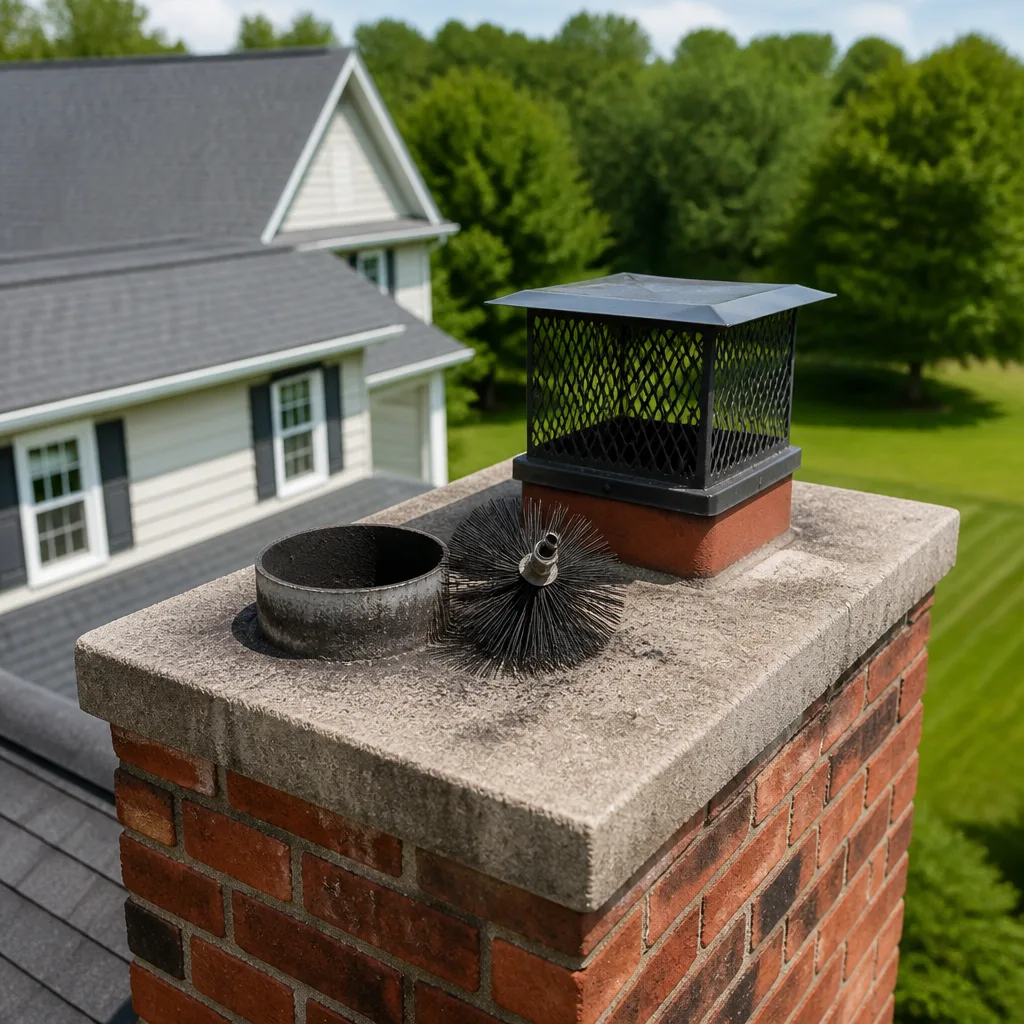 Sweep & inspection
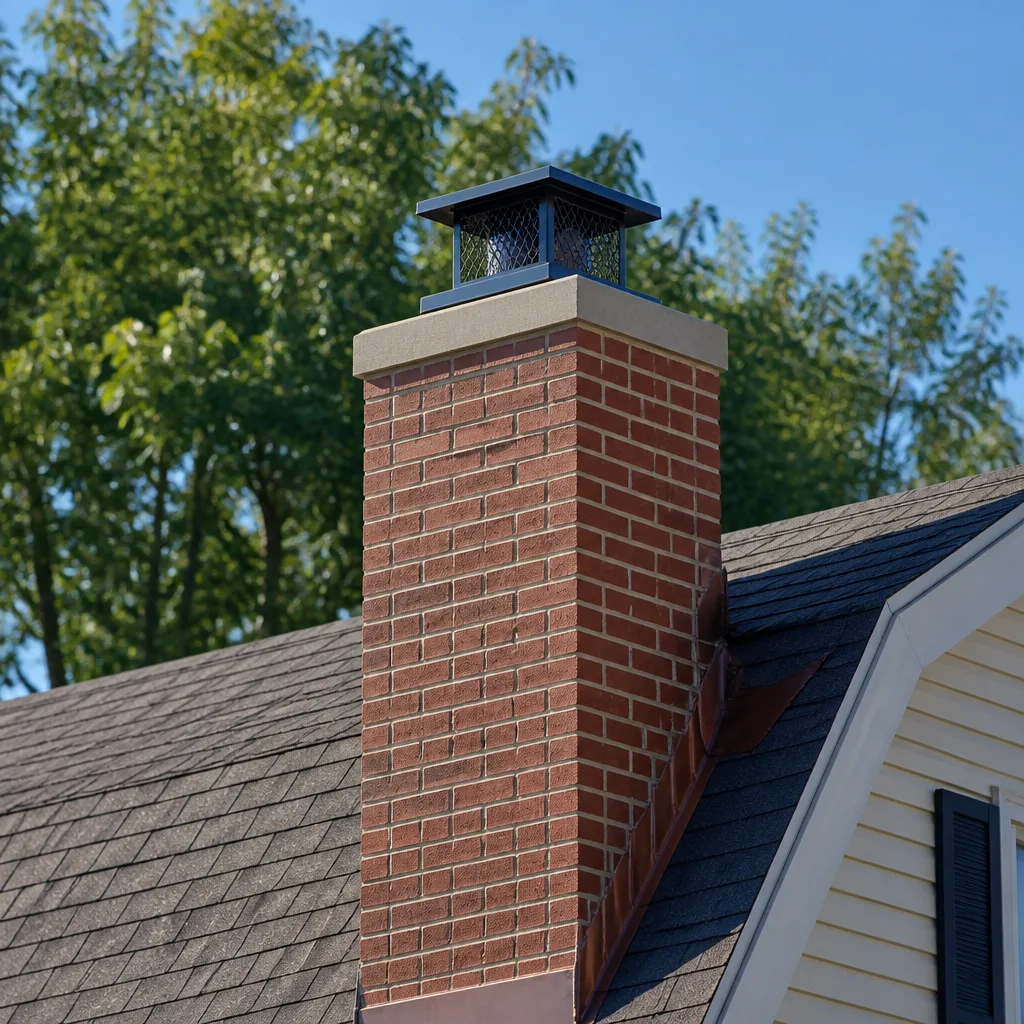 Caps & crowns
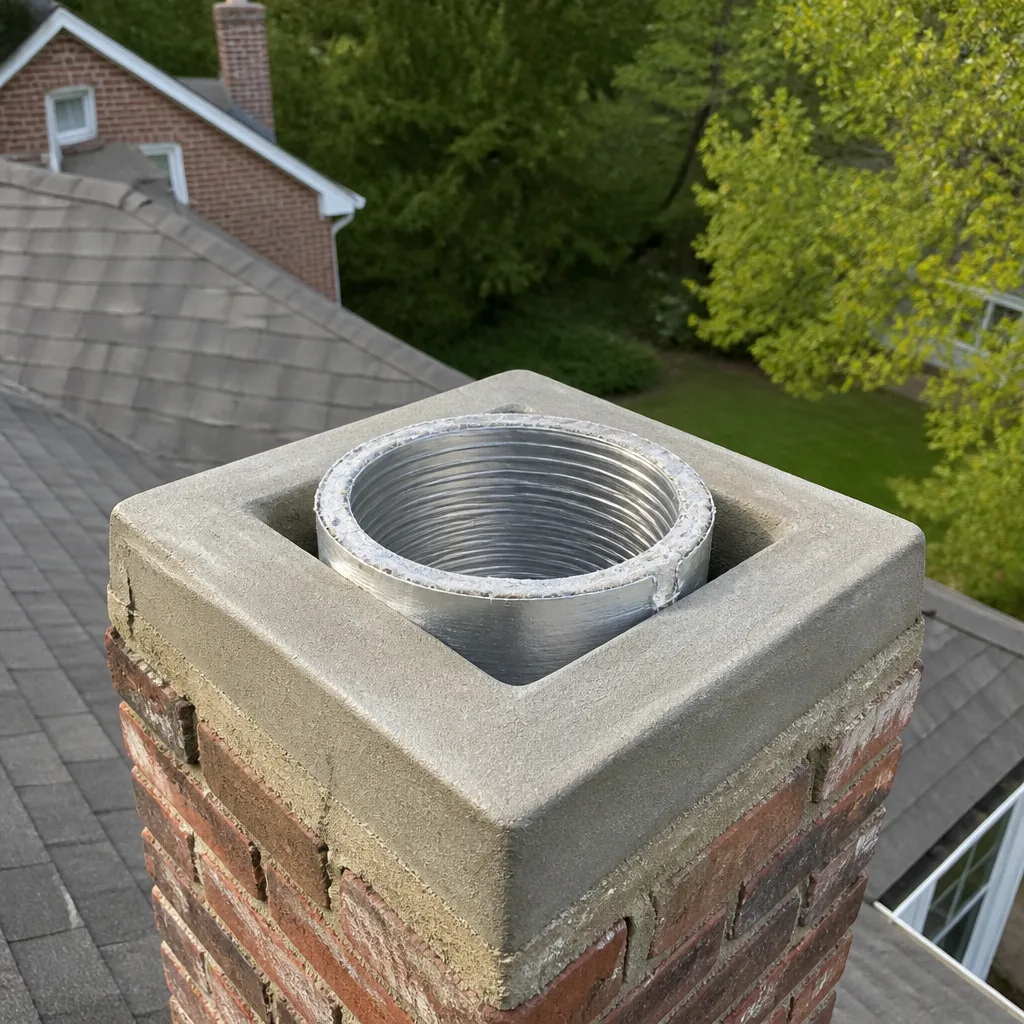 Flue relining
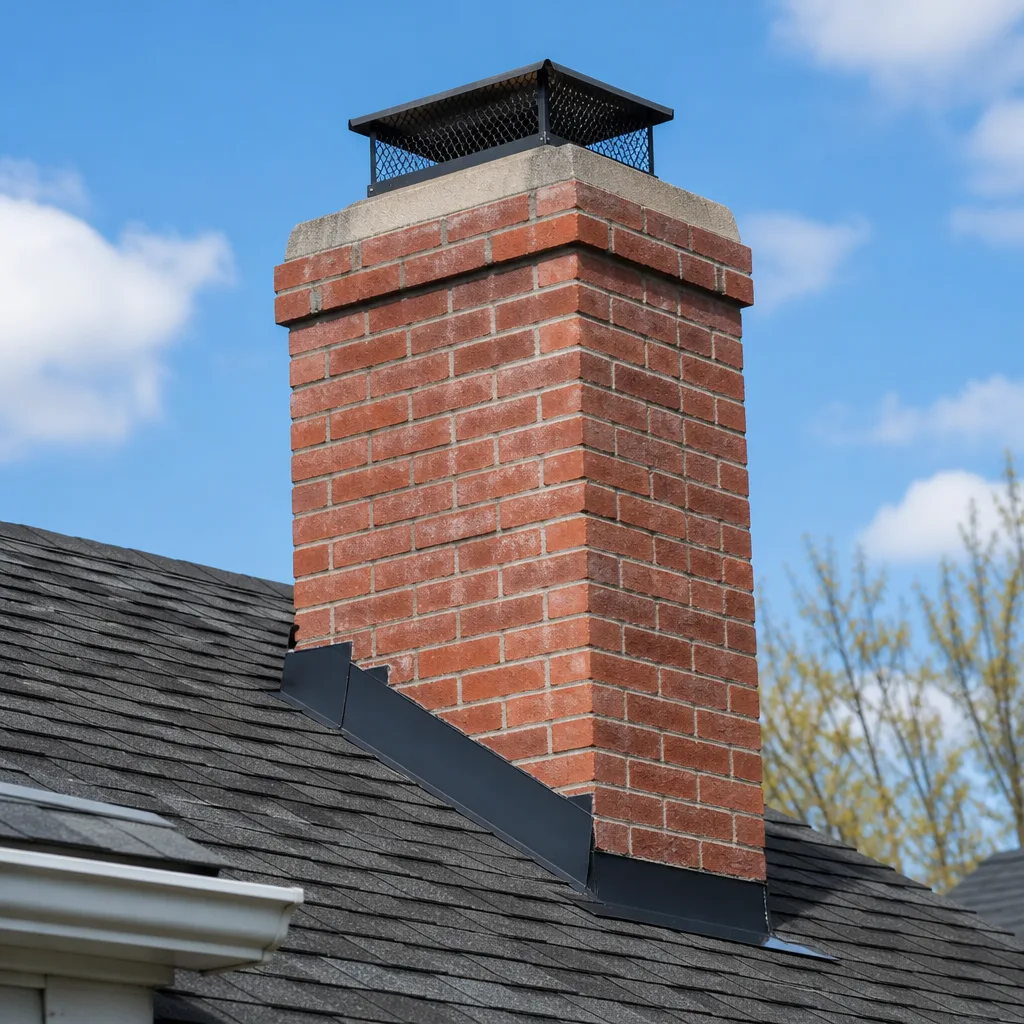 Masonry repair
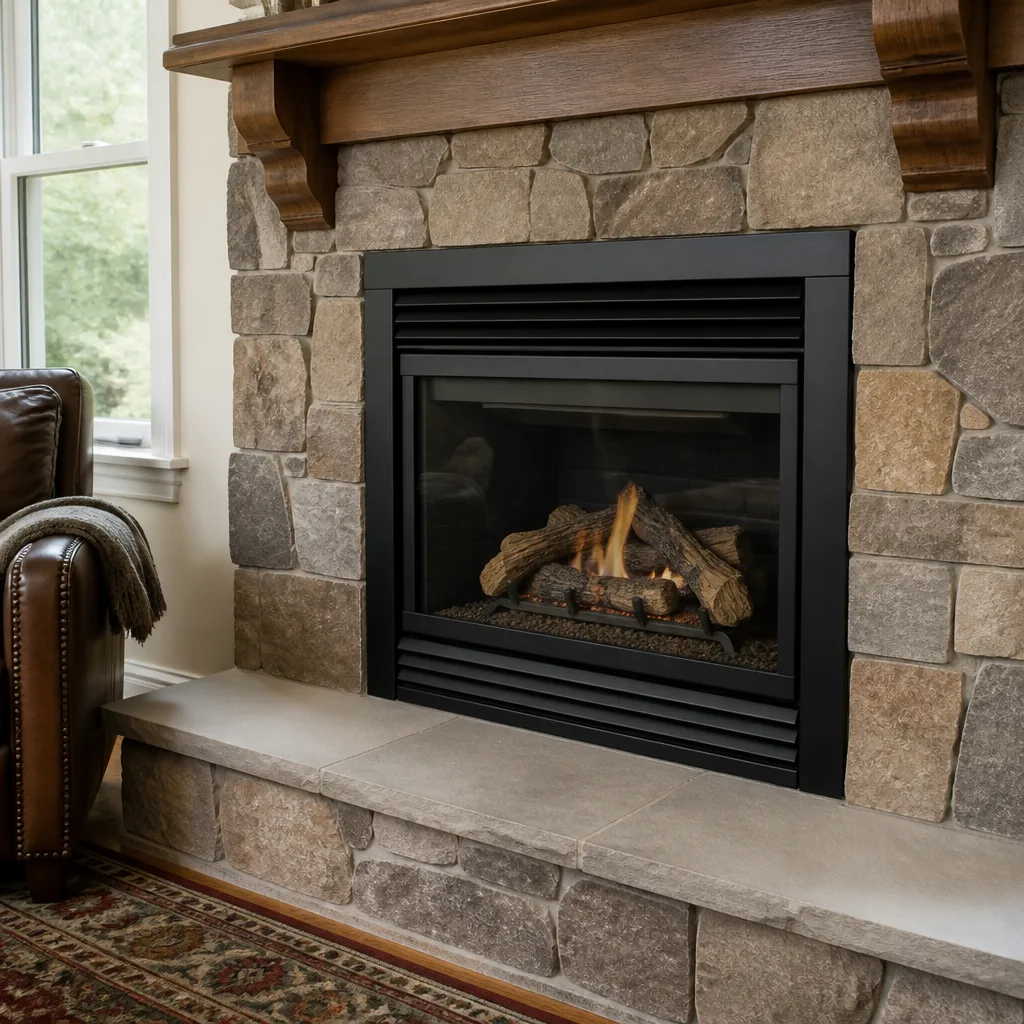 Gas fireplace service
Level 1 sweep and inspection to the NFPA 211 annual standard - flue, crown, cap, and flashing checked and photographed
Chimney sweep logs do not sweep chimneys. They loosen some creosote - which then falls where a brush and vacuum still have to collect it.
Chimney Cleaning Cost Breakdown: The Rancho Park Homeowner’s Reference for 2026
Here’s a number most Rancho Park homeowners never hear: two chimney sweeps can quote $89 and $850 for what sounds like the same job, and both quotes are technically honest. The gap isn’t markup – it’s what’s actually being done. One is a brush through the flue. The other includes a camera inspection, a written condition report, and an assessment of whether your liner is still doing its job. This guide walks through every line item so you can read a chimney cleaning quote the way a contractor does, spot what’s missing, and know exactly what you’re paying for before burn season arrives in Rancho Park. For Chimney Cleaning Warning Signs: A Rancho Park Homeowner’s Reference Guide and more, see our blog.
Quick Answer
Chimney cleaning in Rancho Park typically costs between $189 and $450 for a standard sweep with a Level 1 inspection. A sweep that includes a Level 2 camera inspection and written report runs $350 to $850, depending on chimney height, roof accessibility, and flue condition. Quotes outside those ranges usually mean something is either being skipped or being padded – this guide explains how to tell which.
Styles & brands we work with
- Sweep & inspection
- Caps & crowns
- Flue relining
- Masonry repair
- Gas fireplace service
Table of Contents
- The Real Line Items: What a Chimney Cleaning Quote Should Include
- Sweep vs. Level 1 vs. Level 2: Why the Same Words Cost Different Amounts
- Liner Work and HeatShield Resurfacing: What It Costs and Why It’s Never in a Base Quote
- How Rancho Park Homes Affect Your Quote: Ranch Houses, Two-Stories, and Roof Pitch
- Clay Tile vs. DuraFlex Stainless Lining: The Cost Gap Explained
- How to Read a Chimney Quote: Hidden Upsells vs. Honest Flat-Rate Pricing
- Why the Parts on the Van Matter: Copperfield, Gelco, and Supply-Chain Depth
- When a Cleaning Can Wait – And When It Can’t
The Real Line Items: What a Chimney Cleaning Quote Should Include
A legitimate chimney cleaning quote in Rancho Park is never just one number. Even a “basic sweep” has component parts, and knowing them helps you compare bids fairly. Here’s what a complete quote includes:
- The sweep itself: mechanical brushing of the flue, smoke chamber, and firebox. This removes creosote buildup – the tar-like residue from wood combustion that ignites at around 451°F.
- Level 1 inspection: a visual check of accessible portions of the chimney interior and exterior. This is the minimum standard from the National Fire Protection Association (NFPA 211) and should accompany every sweep.
- Equipment and drop cloths: professional sweeps run a HEPA-filtered vacuum during the job. If a quote doesn’t mention dust containment, that’s a red flag for a mess on your furniture.
- Disposal and cleanup: creosote and soot removal from your property. This is included in most professional quotes but worth confirming.
- Written condition report: a summary of what was found, what was cleaned, and what (if anything) needs monitoring or repair. Some companies charge extra for this – good ones don’t.
The $89 special you see advertised in mailers usually covers only the first line item – and sometimes not even that, if the flue hasn’t been cleaned in years and requires extra passes. In our experience cleaning chimneys across Rancho Park, we’ve followed up on enough of those specials to know the pattern: the sweep shows up, runs a brush, collects $89, and leaves no notes about the cracked flue tile he couldn’t see without a camera.
If you’re starting from scratch, a better approach is to read our complete guide to chimney sweeping in Rancho Park, which covers what a proper job looks like from start to finish.
Sweep vs. Level 1 vs. Level 2: Why the Same Words Cost Different Amounts
The single biggest pricing variable in Rancho Park isn’t the condition of your chimney – it’s whether the quote includes a Level 2 camera inspection. Here’s the breakdown:
What Each Level Actually Includes
- Sweep only ($89 – $150): Brush through the flue. No inspection, no report, no camera. You’ve cleaned the chimney but learned nothing about whether it’s safe to use.
- Sweep + Level 1 inspection ($189 – $350): The sweep, plus a visual examination of accessible areas. This is the NFPA minimum and is appropriate for a chimney that’s been cleaned regularly and shows no performance changes.
- Sweep + Level 2 camera inspection ($350 – $850): Everything in Level 1, plus a video camera run through the full flue length. This is required by NFPA 211 when you buy a new home, change fuel type (wood to gas, for example), experience a chimney fire or storm event, or when the chimney hasn’t been inspected in years.
The camera is the difference-maker. A naked-eye inspection from the top and bottom of a flue can miss cracks, gaps, and liner deterioration in the middle third – and in Rancho Park, where many homes date to the 1940s and 1950s, clay tile liners have had decades to crack. We won’t tell you a chimney is safe based on a flashlight. We run the camera.
In our experience, a homeowner who hasn’t had the chimney inspected in more than three years should skip the sweep-only option entirely. The camera inspection is what tells you whether the $200 you just spent on cleaning was money well spent – or whether you need to budget for liner work before you light another fire.
Table: What You Get at Each Price Point in Rancho Park
| Service Level | Typical Price Range | What’s Included | Best For |
|---|---|---|---|
| Sweep only | $89 – $150 | Brushing, basic cleanup | Recently cleaned chimneys, cosmetic cleaning |
| Sweep + Level 1 | $189 – $350 | Brushing, visual inspection, written report | Annual maintenance on a known-good chimney |
| Sweep + Level 2 camera | $350 – $850 | Full camera inspection, written report, liner assessment | New home purchase, long gap since last cleaning, performance changes |
Prices reflect the Rancho Park market as of 2026. Roof pitch, chimney height, and accessibility can push a quote to the higher end of any range.
Liner Work and HeatShield Resurfacing: What It Costs and Why It’s Never in a Base Quote
No honest chimney contractor will include liner repair in a cleaning quote. That work gets quoted only after the camera shows it’s needed, and Chimney Cleaning Permits, Codes & Inspections in CA: What You Need to Know covers when permits apply. Here’s what Rancho Park homeowners can expect to pay when it is:
- Minor clay tile repair: $250 – $800 for spot repairs, but this is often a short-term fix on a liner that will keep cracking.
- Full stainless steel relining with DuraFlex: $2,500 – $6,500, depending on flue length, diameter, and whether the existing liner needs removal first. DuraFlex is a specification-grade product we stock and install because it’s the standard among professional chimney contractors – flexible enough for offset flues, durable enough to last the life of most homes.
- HeatShield ceramic resurfacing: $2,000 – $5,000. HeatShield is a ceramic flue repair system that restores cracked clay tile liners without a full rebuild. It’s applied as a joint-sealing material, then a resurfacing coat. For chimneys with intact-but-cracked clay liners, this can be the right fix at roughly 60 – 70% of a full relining cost.
The reason liner work is never in a base quote is simple: you can’t see the liner condition until the camera goes in. Any company that quotes relining work over the phone without seeing the flue is guessing – and in Rancho Park, where flue configurations range from straightforward ranch-home straight shots to two-story chimney chases with offsets, guessing wrong means either wasted money or a chimney that still isn’t safe.
We work with HeatShield because it’s designed specifically for cracked clay tile liners, not as a generic patch. We install DuraFlex because flexible stainless liners handle expansion and contraction without the cracking that plagues rigid systems. The right material depends on the flue configuration and the condition of the existing structure – and that determination requires a camera inspection, not a phone call.
How Rancho Park Homes Affect Your Quote: Ranch Houses, Two-Stories, and Roof Pitch
Rancho Park’s housing stock splits into two broad categories that affect chimney work differently. The original single-story ranch homes, built mostly between 1935 and 1955, have low-pitch roofs and straightforward chimney runs. These are the most accessible chimneys in the neighborhood – a sweep can often work from the roof with basic ladder setup, and flue runs are short and uncomplicated.
The two-story homes – the traditional styles along Patricia Avenue and the newer builds that replaced postwar bungalows – present different challenges. Chimneys on two-story homes in Rancho Park often run through interior chases, which means longer flues, more turns, and roof access that’s harder to reach. A taller chimney on a steeper roof adds labor time and equipment needs, and that shows up in the quote.
Here’s what moves the price:
- Roof pitch and accessibility: Steeper roofs require fall-protection equipment and slower work. Flat or low-pitch roofs are faster and safer.
- Chimney height above the roofline: A chimney that rises eight feet above the roof surface needs ladder scaffolding or a taller extension ladder than one that rises three feet.
- Flue configuration: Offsets in the chimney run – where the flue shifts to accommodate beams or second-story framing – require flexible tools and more cleaning time.
- Crown and cap condition access: Two-story chimneys are harder to inspect at the crown level without a camera. That’s one more reason the Level 2 inspection pays for itself on taller homes.
None of this is unique to Rancho Park, but the mix of housing stock here means two neighbors can get quotes that differ by $150 for the same level of service. That spread isn’t inconsistency – it’s geometry.
Clay Tile vs. DuraFlex Stainless Lining: The Cost Gap Explained
If your camera inspection shows liner damage, you have two main paths: repair the existing clay tile liner or replace it with stainless. The price difference is significant, and understanding it helps you weigh the options.
Clay tile repair is cheaper in the short term. Spot repairs run $250 – $800. A full clay tile rebuild runs $2,000 – $4,500, but requires demolition of the existing flue and reconstruction – invasive work that’s rarely the right answer on a 70-year-old Rancho Park chimney.
DuraFlex stainless relining runs $2,500 – $6,500. The gap between this and a full clay rebuild is narrower than most people expect, especially when you factor in what stainless gives you:
- A continuous liner with no mortar joints to crack
- Rated for wood-burning and gas appliances
- Better draft performance in colder weather – relevant for Rancho Park’s January nights
- No degradation from condensation, which is what kills clay liners slowly
- Life expectancy measured in decades, not repair cycles
The honest way to look at it: clay tile repair buys time. Stainless relining buys a permanent fix. In our experience with Rancho Park chimneys, a homeowner who plans to live in the home more than five years and uses the fireplace regularly comes out ahead with stainless. A homeowner selling next spring might reasonably choose the repair – but they should disclose it honestly to a buyer.
How to Read a Chimney Quote: Hidden Upsells vs. Honest Flat-Rate Pricing
Chimney quotes are not regulated documents. Anyone can write one, and the structure of a quote tells you a lot about the company behind it. Here’s how to read one:
Red Flags: Quote Structures That Signal Trouble
- The bait-price opener: The quote starts at $89, but every add-on – the inspection, the written report, the “creosote removal beyond one inch,” the “extra story” charge – is itemized separately. By the final line, you’re at $600 and you still don’t have a camera inspection.
- The “your liner is dangerous” hard sell: A pushy quote for thousands in liner work delivered without camera evidence, or with a camera photo that shows a hairline crack presented as imminent danger. Hairline cracks are common in old clay liners and don’t always require immediate action.
- Vague product language: “New liner” with no specification of what type. Is it rigid stainless? Flexible? Aluminum for gas? Aluminum is not appropriate for wood-burning. The absence of a product name means you can’t verify anything.
- The per-item mystery surcharge: “Flue preparation,” “additional flue access,” “special tools.” Real specialty work has a name and a reason. Ambiguous line items are placeholders for margin.
What an Honest Flat-Rate Quote Looks Like
- States the square footage or linear feet being cleaned
- Names the inspection level (Level 1 or Level 2)
- Says whether a camera is included – specifically
- Identifies the flue material (clay, stainless, or unknown)
- Lists the products that may be needed, by name (DuraFlex, HeatShield, Copperfield caps)
- Provides a written report as a standard deliverable, not an added cost
- Doesn’t pressure you to sign on the spot for liner work the camera hasn’t confirmed
We quote chimney work the same way we’d want our own roofs quoted: one number, every line explained, no surprises that should have been caught in the inspection. If a quote can’t pass that test, get another one.
Why the Parts on the Van Matter: Copperfield, Gelco, and Supply-Chain Depth
There’s a reason we stock specific product lines, and it’s not brand loyalty for its own sake. The parts on a contractor’s van tell you what that contractor is capable of doing.
A generalist handyman who also hangs gutters and patches drywall shows up with whatever the hardware store had on the shelf. A chimney-specific company works with products engineered for the application. Our chimney repair work in Rancho Park is built around named components because the difference matters:
- Copperfield makes chimney caps, chase covers, and termination components from actual copper and stainless steel – materials that survive Southern California sun and coastal air without corroding into a streak-stained mess on your roof.
- Gelco produces venting components and termination caps designed for specific appliance classes. The wrong termination cap can restrict draft or let rain into a flue – either one leads to expensive problems the manufacturer never intended.
We’d rather tell a Rancho Park homeowner “your cap needs replacement, we stock the Copperfield part that fits your flue” than “we’ll order something and see if it works.” The first answer gets your chimney fixed this season. The second gets you six weeks of waiting and a part that might not match.
The same logic applies to liner systems. We stock DuraFlex because it’s the flexible stainless system used by professional chimney contractors nationwide – not a random flexible pipe from an online supplier. Material specificity means the repair is done right the first time, with a product engineered to handle the temperatures and expansion cycles of a wood-burning chimney.
If you’re also dealing with a dryer vent that hasn’t been cleaned in years, that falls into the same category of work – combustion exhaust and airflow. You can read more in our guide to dryer vent cleaning in Rancho Park, which explains why a blocked vent is the same failure mode as a blocked flue: the exhaust path stops working.
When a Cleaning Can Wait – And When It Can’t
Not every chimney needs cleaning before the next fire. The honest rule: if the creosote layer is less than 1/8 inch thick, a cleaning can wait. If you used the fireplace fewer than a dozen times last year and burned only seasoned wood, you’re probably in that category. Schedule a sweep anyway sometime this season, but don’t treat it as an emergency. For preparation tips, see our Chimney Cleaning Emergency Preparedness Guide for Rancho Park Homes.
It becomes urgent when:
- You bought the home and don’t know the chimney’s history. Rancho Park turnover is active. If you moved in during 2025 or 2026 and can’t confirm the last cleaning, have a Level 2 inspection before the first fire.
- You notice a strong smoky smell. That’s draft failure – which could mean blockage, liner damage, or a structural problem. A smoky fireplace is not working as designed.
- You see visible creosote flakes in the firebox. Flaking creosote is often a sign of a thicker deposit higher in the flue. If it’s flaking, it’s likely thick enough to ignite.
- The chimney hasn’t been inspected in five years or more. In Rancho Park’s older homes, that’s enough time for clay liners to develop cracks that go unnoticed until they become safety problems.
Safety is the reason this work matters, and it’s a specific safety, not a vague one. Creosote ignites at around 451°F – about the temperature of a hot wood fire. A clean flue is not a luxury; it’s how your system is supposed to work. Every chimney sweep we do is because a homeowner wants to burn wood without burning down the house. That’s the entire job.
Common Mistakes to Avoid
- Booking the $89 special and expecting an inspection. A discount sweep is often just a brush pass. If you need to know whether your chimney is safe, the cheap quote doesn’t answer that question.
- Skipping the camera inspection on an older home. Rancho Park’s clay tile liners crack. Without a camera, those cracks stay invisible until they become expensive or dangerous.
- Accepting liner work without seeing the camera footage. Any reputable contractor can show you exactly what the camera found. If they can’t or won’t, the recommendation isn’t evidence-based.
- Comparing quotes without comparing scope. A $250 quote that includes a Level 1 inspection and a $350 quote that includes a Level 2 camera inspection are not the same service. Compare line items, not bottom lines.
- Burning unseasoned wood to save money. Wet wood produces far more creosote per fire than seasoned wood. The savings disappear into more frequent cleanings and higher fire risk.
- Ignoring the dryer vent because “it’s separate.” It’s not separate – it’s the same failure category: combustion exhaust and airflow. A clogged dryer vent is a known fire starter, and it’s addressed the same way: clean the path.
- Waiting until November to book a sweep. Every chimney company in Los Angeles County is booked solid in the weeks before burn season. Schedule in spring or summer, before the rush.
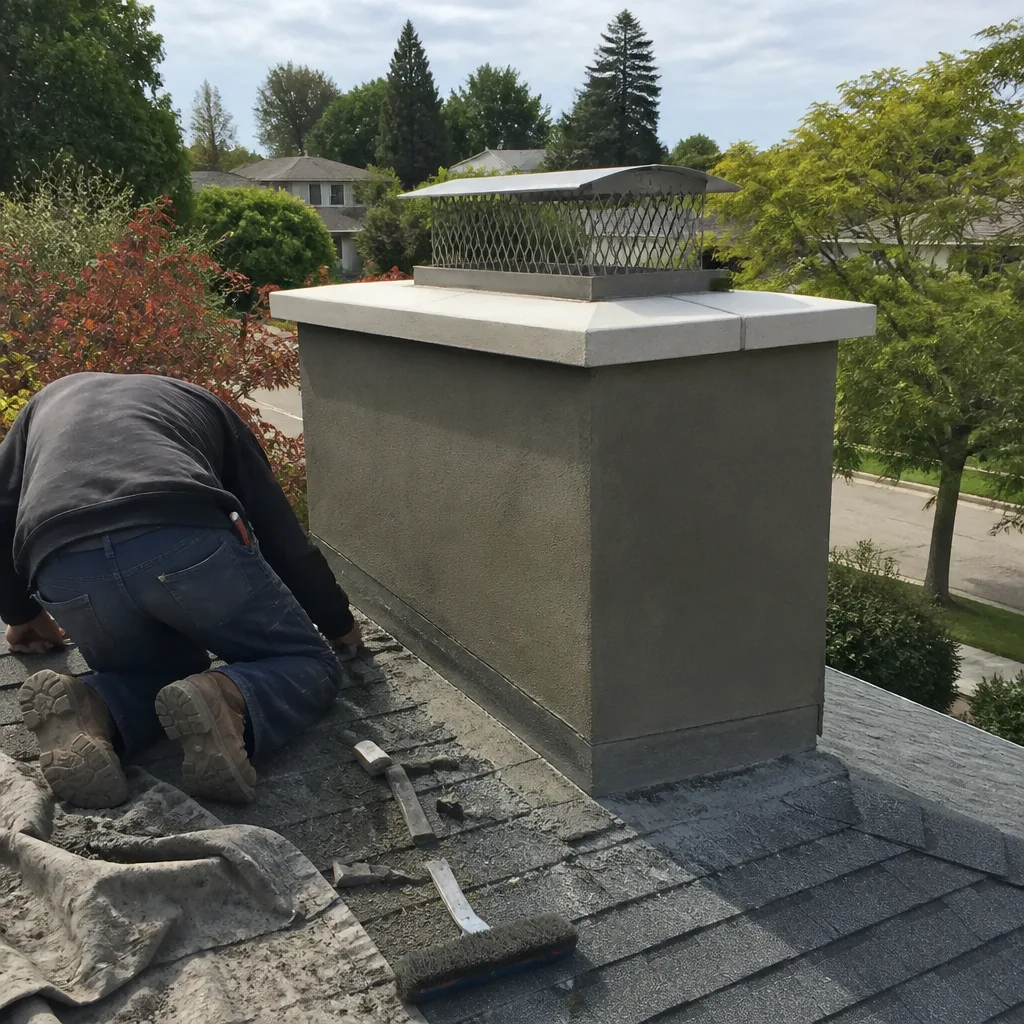
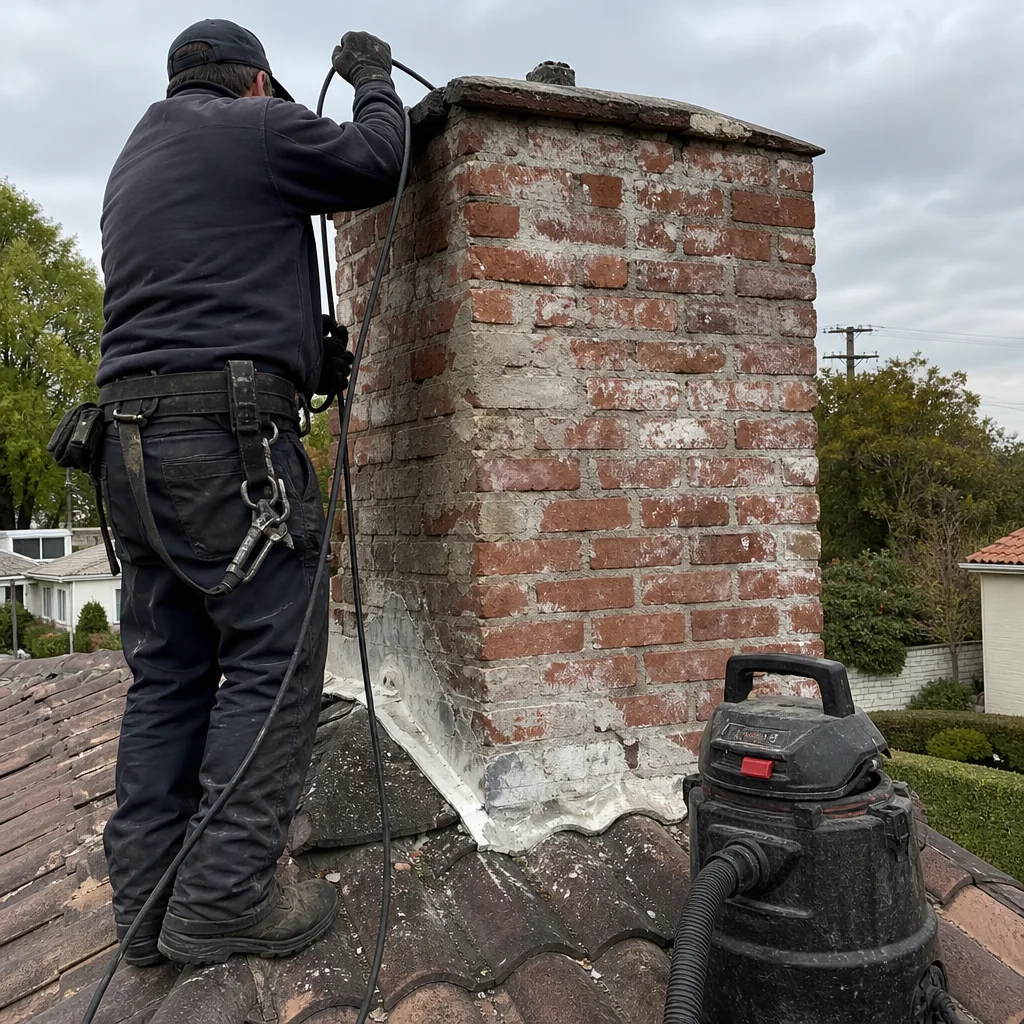
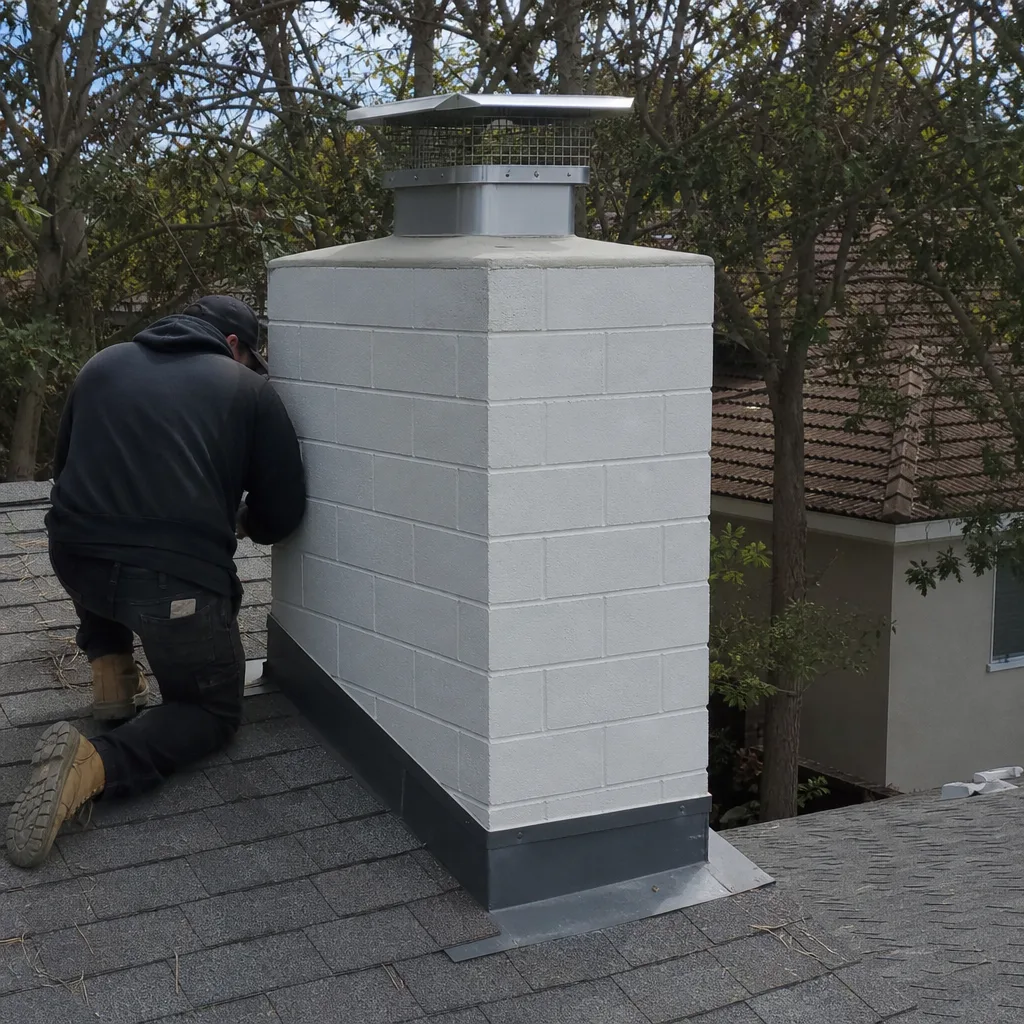
See the difference
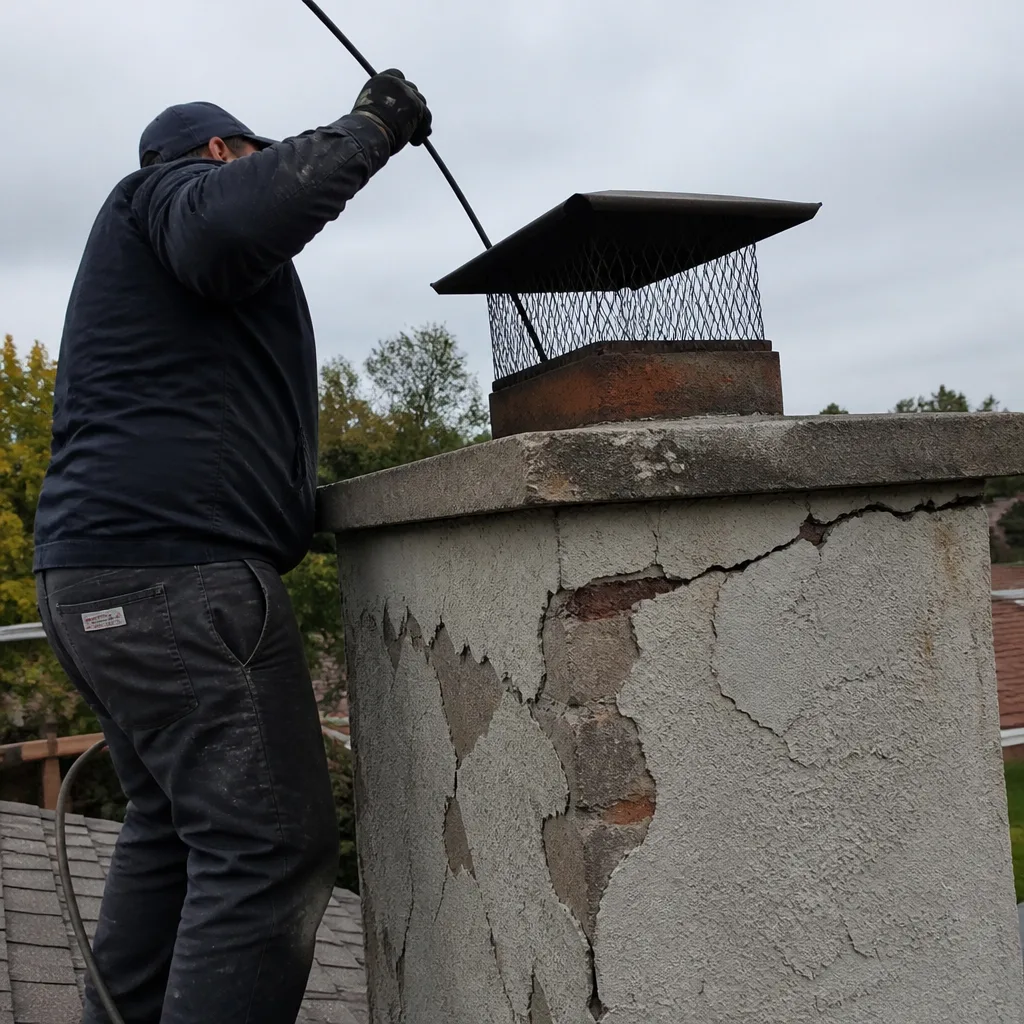 Before
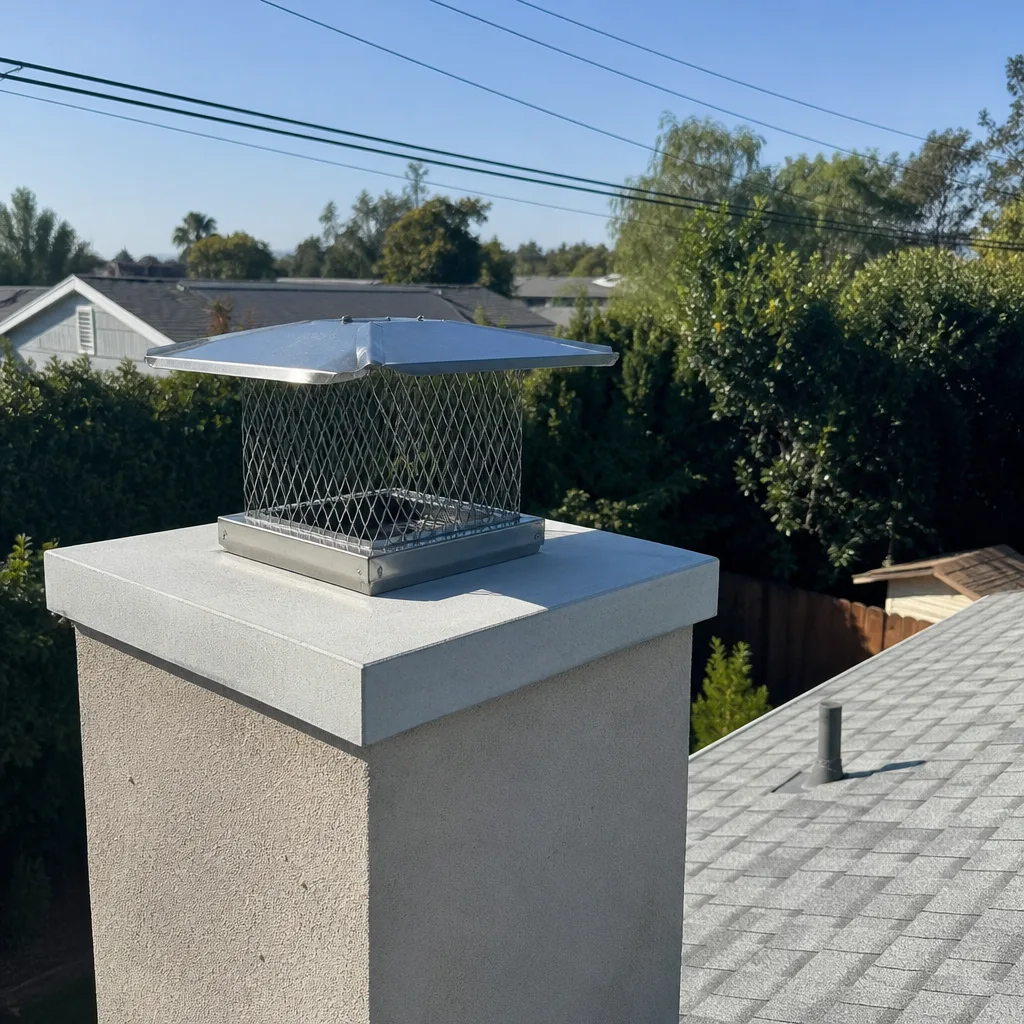 After
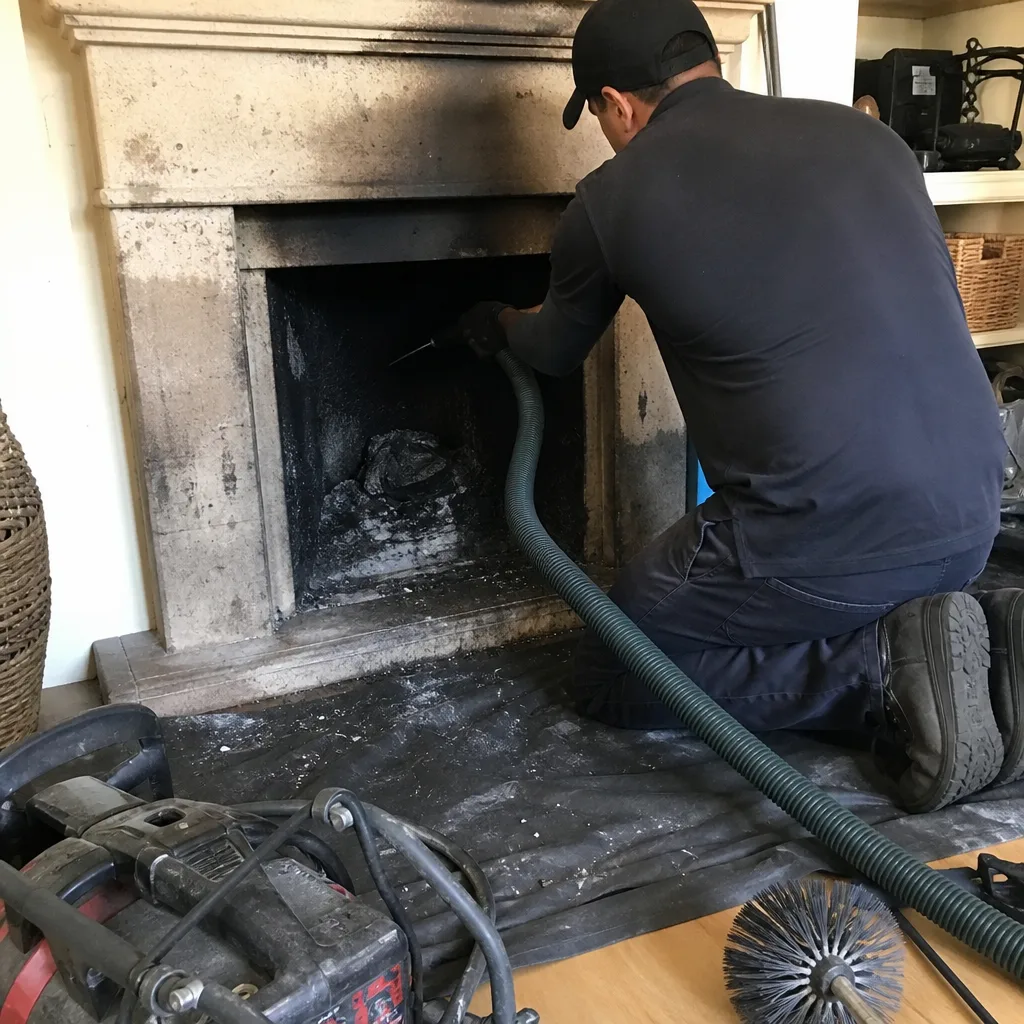 Before
 After
 Before
 After
When to Call a Professional
Some things about a chimney are homeowner-visible. You can shine a flashlight up the flue from the firebox and might see obvious creosote or debris. You can check the chimney cap from the ground with binoculars. But you cannot see the middle of the flue, the condition of the liner joints, or what’s happening at the smoke chamber level without professional equipment – and those are exactly where fires start and carbon monoxide migrates.
If your chimney has been cleaned recently and you have a written report saying it’s in good condition, you can burn with confidence this season. If you can’t say that with certainty, this is the season to get a professional assessment. Chimney Sweep Rancho Park offers free estimates in Rancho Park – call (877) 326-6276.
Frequently Asked Questions
A standard chimney sweep with a Level 1 inspection in Rancho Park costs between $189 and $350. A sweep with a Level 2 camera inspection and written condition report runs $350 to $850. The higher price includes equipment and documentation most discount sweeps skip. Call (877) 326-6276 for an exact quote based on your chimney’s height and configuration.
Yes, if you bought the home without a recent inspection, switched fuel type, went through a chimney fire or earthquake, or haven’t had the chimney looked at in more than five years. The camera reveals liner cracks and gaps that a visual inspection can’t catch – and in Rancho Park’s older homes, those conditions are common enough that skipping the camera is a real risk.
Creosote accumulates with every wood fire. At 1/4 inch thickness, it can ignite and cause a chimney fire – a problem that starts inside the flue and can spread to the framing of the house. A chimney that isn’t cleaned eventually stops drafting properly, pushing smoke and carbon monoxide back into the home. The risk compounds slowly and then becomes urgent without warning.
The NFPA standard says to have your chimney swept when creosote reaches 1/8 inch thick. For most Rancho Park homeowners who burn wood regularly through fall and winter, that means once per year. Light users who burn only occasionally and always burn seasoned wood can go two years. The inspection determines the actual need – not a calendar.
HeatShield is a ceramic resurfacing system applied to a cracked but structurally intact clay tile liner. It restores the flue without rebuilding. A stainless liner like DuraFlex replaces the clay flue entirely with a continuous stainless pipe. HeatShield is appropriate when the existing clay structure is still sound. DuraFlex is the fix when the clay liner is failing structurally or the flue configuration requires flexibility.
You can, but the risk is higher than most homeowners expect. Working on a roof carries fall risk, and improper brushing can damage clay liners or push debris farther into the flue. A professional sweep includes an inspection and written report – the parts of the job that tell you whether the chimney is safe. The cleaning itself is the easy half. If you do it yourself, you’ll have cleaned without learning anything about the system’s safety.
The Bottom Line
Chimney cleaning in Rancho Park costs $189 to $450 for a proper sweep with a Level 1 inspection, or $350 to $850 with a Level 2 camera inspection. The gap between a $89 special and a real service is the difference between cleaning and knowing. If you don’t know the condition of your liner, your flue configuration, or whether your chimney is safe to use, you’ve paid for labor without buying safety. The best quote is one you can read line by line, backed by a camera inspection, with parts named because they matter. For a free estimate from a chimney-specific contractor serving Rancho Park, call (877) 326-6276 or visit the Chimney Sweep Rancho Park home page.
Written by the team at Chimney Sweep Rancho Park, serving Rancho Park since 2011. Explore more guides & resources on our blog.