
Last updated November 2, 2026
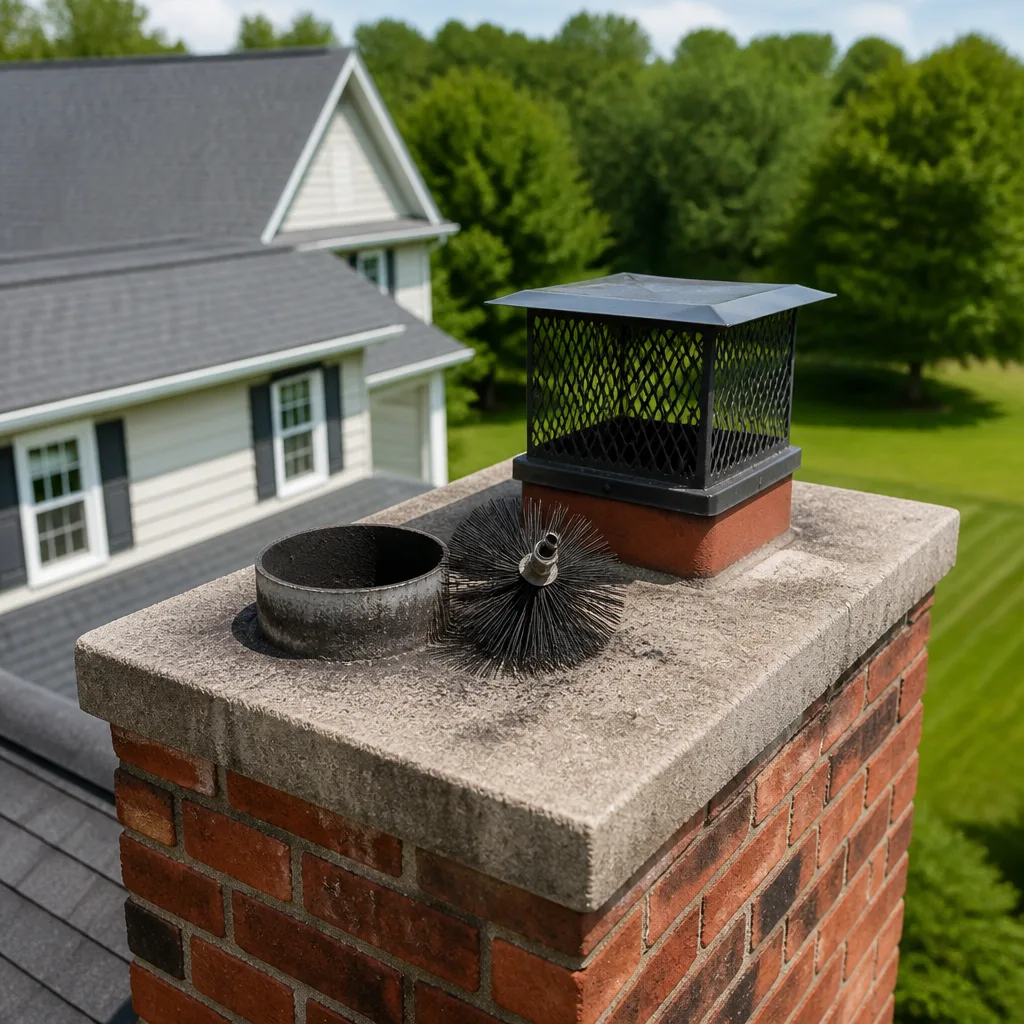 Sweep & inspection
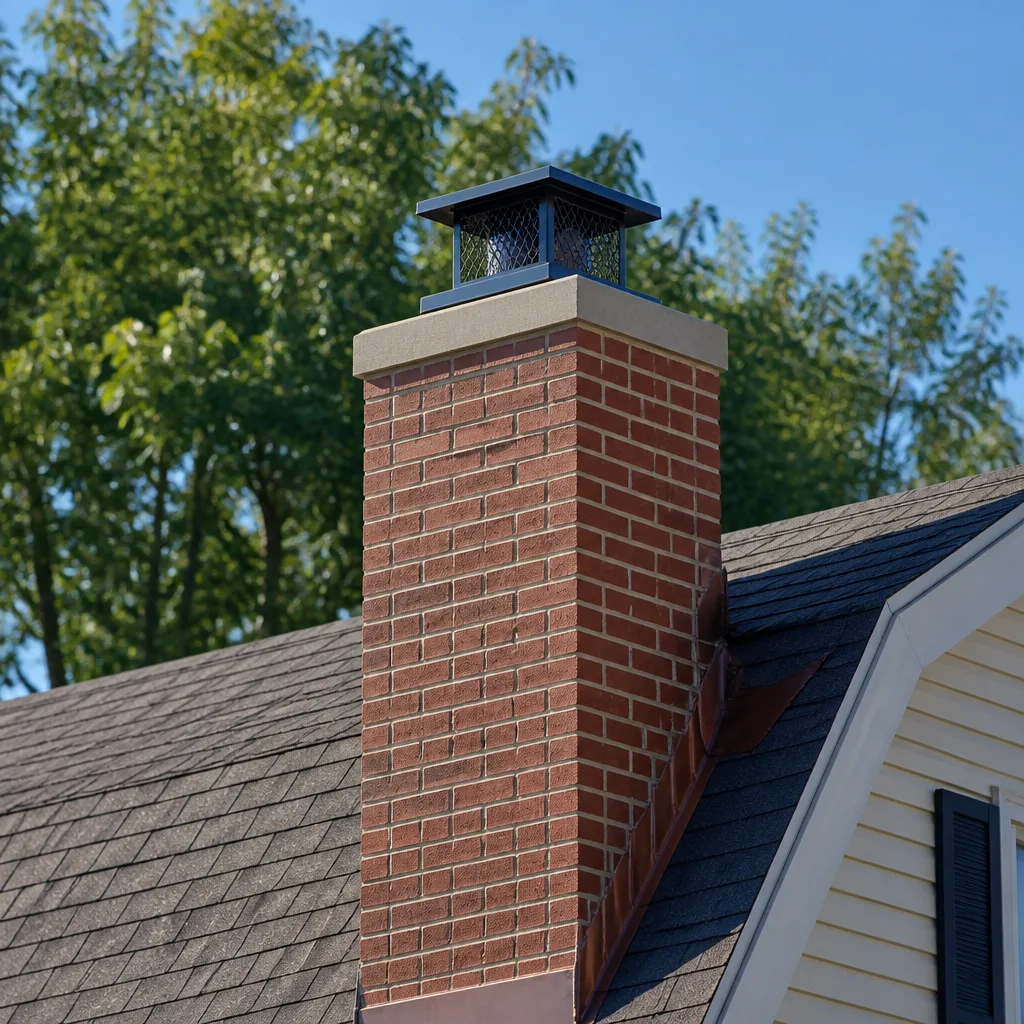 Caps & crowns
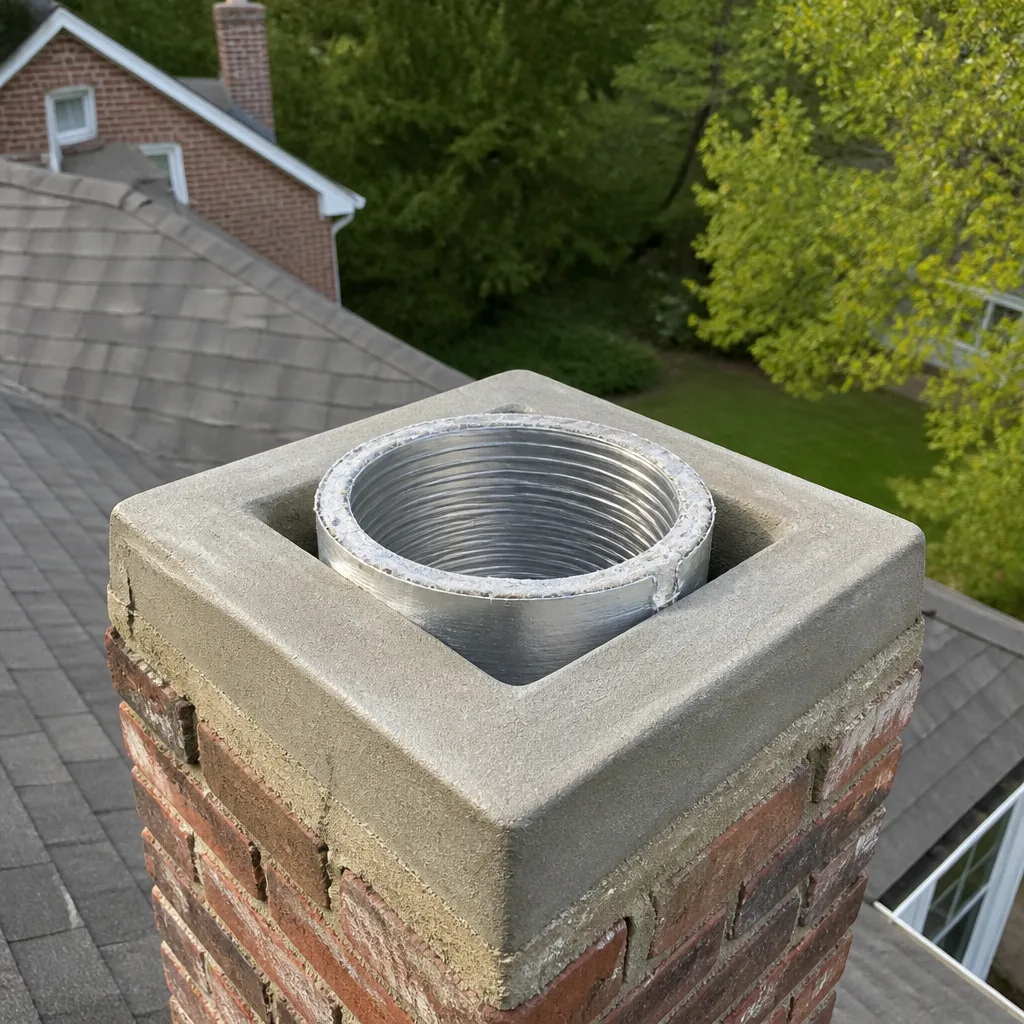 Flue relining
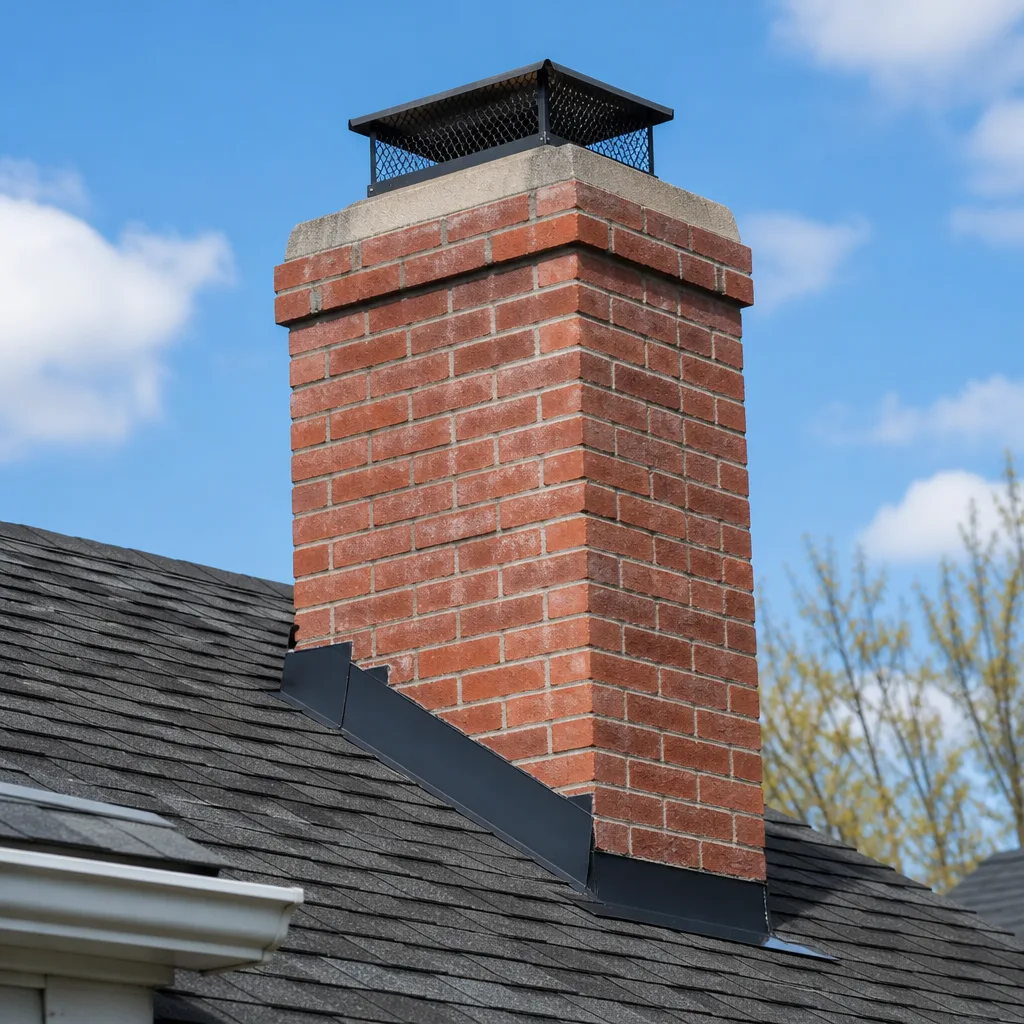 Masonry repair
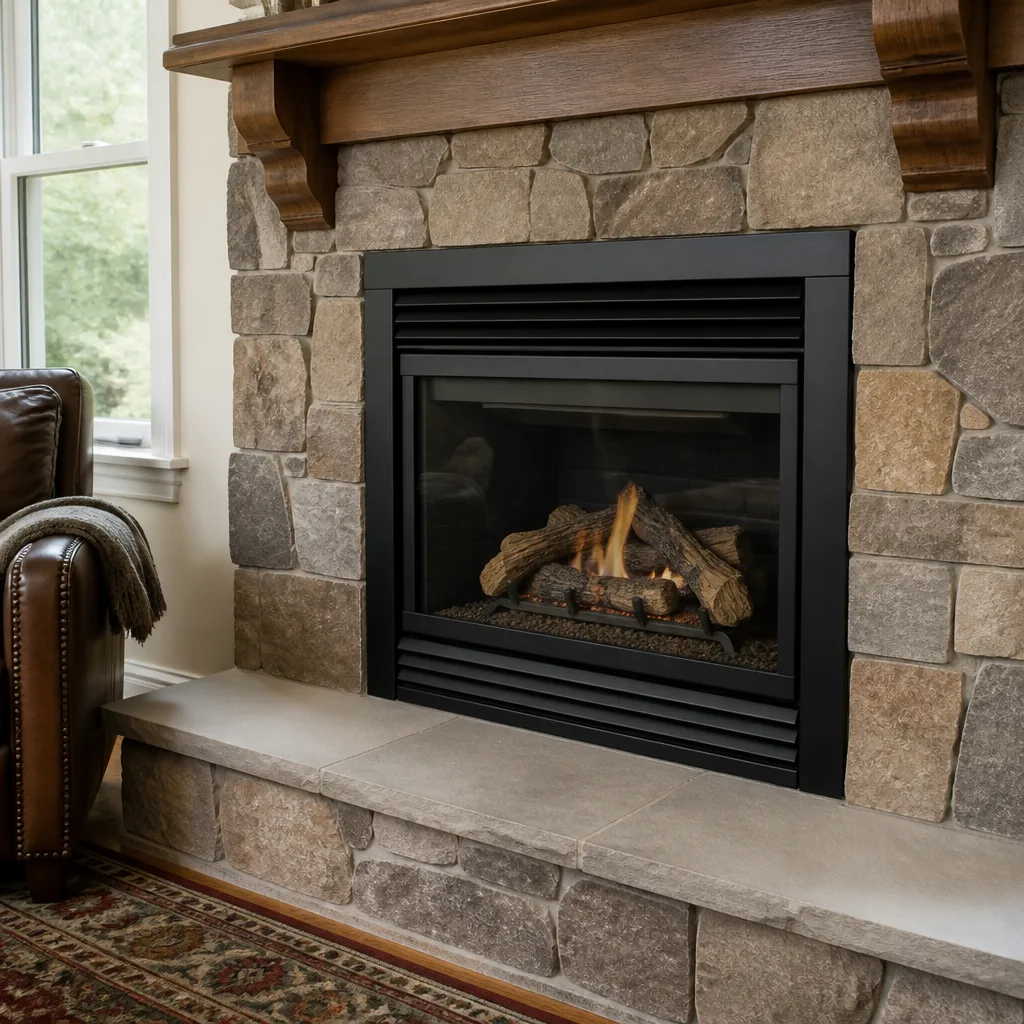 Gas fireplace service
Level 1 sweep and inspection to the NFPA 211 annual standard - flue, crown, cap, and flashing checked and photographed
Chimney sweep logs do not sweep chimneys. They loosen some creosote - which then falls where a brush and vacuum still have to collect it.
Chimney Cleaning Emergency Preparedness Guide for Rancho Park Homes
A chimney fire sounds like a low-flying jet passing directly over your roof, or a rapid popping like heavy rain on a tin awning. Most homeowners in Rancho Park who’ve experienced one say they initially thought the noise was coming from outside the house. That hesitation costs critical minutes. This guide walks you through the three emergency scenarios that actually happen in Rancho Park homes: active flue fires, carbon monoxide events, and wildlife blockages. For each, you’ll learn the specific response sequence, what not to do, and what happens after the immediate danger passes. We’ve built this from real service calls across Rancho Park, Cheviot Hills, and Westwood, where older masonry chimneys and mid-century construction create predictable failure patterns.
Styles & brands we work with
- Sweep & inspection
- Caps & crowns
- Flue relining
- Masonry repair
- Gas fireplace service
Quick Answer
Chimney emergencies in Rancho Park fall into three distinct categories, each requiring a different immediate response. A flue fire means closing the damper if you can do so safely, evacuating everyone, and calling 911 from outside. A carbon monoxide event means getting fresh air immediately and not re-entering until the fire department clears the space. A wildlife blockage means shutting down fireplace use entirely and scheduling a professional inspection before the next burn. In all three cases, a Level 2 inspection is typically required before the fireplace can be used again.
Table of Contents
- What a Chimney Fire Actually Sounds Like in Rancho Park Homes
- Carbon Monoxide Events: The Silent Emergency
- Wildlife Blockages and Emergency Shutdown Protocol
- Post-Emergency Inspection Requirements: What LAFD and Insurance Actually Require
- Preventive Steps That Reduce Emergency Risk in Rancho Park
- Rancho Park Specific Risk Factors Most Homeowners Don’t Know About
- Common Mistakes to Avoid
- When to Call a Professional
- Frequently Asked Questions
- The Bottom Line
What a Chimney Fire Actually Sounds Like in Rancho Park Homes
Before we get into response sequences, you need to recognize the sound, because recognition determines whether you act in 30 seconds or 30 minutes. A chimney fire produces a deep, rumbling roar that homeowners consistently compare to a jet engine, combined with sharp popping or cracking from the flue liner expanding under extreme heat. In Rancho Park’s older homes, many built in the 1940s and 1950s, the original clay tile liners crack under thermal stress, and those cracks become ignition points when creosote accumulates to about 1/8 inch or thicker.
If you hear that sound, here is the response sequence, in order:
- Close the damper if you can reach it without getting close to the firebox. Closing the damper cuts the oxygen supply to the fire. Do not lean over the fire. Do not put your face near the opening.
- Do not attempt to extinguish the fire yourself. Water on a chimney fire causes steam expansion that can shatter the flue liner and send burning creosote into the home. Chemical extinguishers aimed into the firebox can push burning material up the flue. Neither is safe.
- Evacuate everyone from the house immediately. Including pets. The structural risk is not the flames you can see; it’s the fire spreading through a cracked flue into wall cavities and attic framing where you can’t see it.
- Call 911 from outside the house. Tell the dispatcher it’s a chimney fire, not a fireplace fire. That distinction changes the fire department’s response approach.
- Do not re-enter for any reason until the fire department clears the structure. Chimney fires can smolder inside wall cavities for hours after the visible event ends.
We use HeatShield ceramic flue repair in Rancho Park specifically because the product was engineered to restore structural integrity to damaged flues after conditions like this, but that’s a post-emergency conversation. The immediate priority is always life safety first, property preservation second, and repair planning later. If you’re in Rancho Park territory after an event, the right materials matter more than speed of patchwork.
Carbon Monoxide Events: The Silent Emergency
Carbon monoxide from a blocked or backdrafting chimney kills without a sound. In Rancho Park, where many homes have converted from open-hearth fireplaces to gas logs or gas inserts, CO events are actually more common than flue fires, because gas appliances produce less visible warning signs. Soot accumulates differently. The early warning system is your nose and your body, not your eyes.
Low-level CO exposure produces symptoms that mimic flu or fatigue: a dull headache, slight nausea, shortness of breath during mild exertion, and a general feeling of being unwell that improves when you leave the house. That last detail is the tell. If you feel better after 30 minutes outside and worse again within an hour of returning home, treat it as a CO event until proven otherwise.
Smoke inhalation is different. Smoke is visible and smells. It produces immediate eye irritation, coughing, and a burning sensation in the throat. CO is odorless, colorless, and accumulates gradually. The two are frequently confused by homeowners, and the confusion changes what you should do:
- Smoke event: You can usually identify the source visually. The response is to extinguish the fire if safe, open windows, and call for a professional inspection before the next use.
- CO event: You cannot identify the source without equipment. The response is to get everyone outside immediately, call 911, and let the fire department use gas detection equipment to locate the source. Do not re-enter until cleared.
Chimney failures that produce CO events include a collapsed flue liner blocking the exhaust path, a bird or squirrel nest completely occluding the flue, a damper that has rusted partially closed in the wrong position, or a backdrafting condition caused by a tightly sealed home pulling exhaust back down the chimney instead of letting it rise. In Rancho Park, the backdrafting scenario has increased as more homeowners seal their houses for energy efficiency. The structure that used to breathe now fights the chimney for air.
Wildlife Blockages and Emergency Shutdown Protocol
Raccoons, squirrels, and birds routinely enter uncapped chimneys in Rancho Park neighborhoods where mature trees overhang rooflines. The immediate risk is not the animal itself. It’s the nesting material: dry leaves, twigs, and animal fur packed into the flue above the damper, creating the single most common ignition point we see in residential chimney fires.
If you confirm animal presence in your chimney, either by sound, smell, or visual inspection, follow this shutdown protocol:
- Stop using the fireplace immediately. No test fires. No small fires. Nothing. The nesting material is dry tinder positioned directly in the exhaust path.
- Keep the damper closed. This prevents the animal from entering the living space and prevents any residual embers from rising into the nest.
- Do not attempt to smoke the animal out. We have seen homeowners in Rancho Park start a small fire to drive out a squirrel, which is how a wildlife nuisance becomes a house fire.
- Do not seal the chimney while the animal is still inside. A trapped animal will die in the flue, creating an entirely different kind of emergency involving decomposition, odor, and insect activity.
- Call a chimney professional who can assess the blockage and coordinate with wildlife removal if needed. The sequence is: remove the animal safely, remove the nesting material, inspect the flue for damage, install proper capping.
For cap screening in Rancho Park, we work with Chimney Sweep Rancho Park home standard installations that use proper gauge screening to keep animals out without restricting airflow. The screen gauge matters more than most homeowners realize. Screen mesh that’s too fine creates a creosote trap and backdrafting risk. Screen that’s too coarse lets squirrels through. This is the kind of specification detail that separates a real chimney contractor from someone who installs whatever the hardware store had in stock.
Post-Emergency Inspection Requirements: What LAFD and Insurance Actually Require
After any chimney fire, the Los Angeles Fire Department will typically document the event and it will appear on the incident report. Most homeowner insurance policies require that report, and the subsequent professional inspection, before any claim is processed. Here’s what actually happens in the days after an emergency in Rancho Park:
A Level 2 inspection is the standard requirement after a chimney fire, after a seismic event, after a major change to the system, or before a property transfer. This is a documented standard from the National Fire Protection Association’s NFPA 211 code, which California has adopted. For details on local requirements, see our guide to Chimney Cleaning Permits, Codes & Inspections in CA: What You Need to Know. A Level 1 inspection is visual-only and is appropriate for routine annual maintenance. A Level 2 adds video scanning of the flue interior, which is the only way to see cracked clay tiles, separated mortar joints, or damaged metal liners that are invisible from the top or bottom of the chimney.
Insurance adjusters in Southern California generally require a written Level 2 inspection report with photo or video documentation before authorizing repairs. Some policies require the inspecting professional to identify the cause of the fire as well as the extent of damage. This is where material documentation matters. If repairs are needed, using specification-grade materials like DuraFlex liner systems and Copperfield components gives the adjuster confidence that the work addresses the root cause, not just the visible symptom.
For post-emergency work in Rancho Park, Chimney Sweep in Rancho Park services include the full inspection documentation that LAFD and insurance providers request. You want the report in hand before you file the claim, because it answers the adjuster’s first two questions: what caused the event, and is the system currently safe.
Preventive Steps That Reduce Emergency Risk in Rancho Park
Emergency response knowledge is the backup plan. Prevention is the primary plan, and it’s cheaper by an order of magnitude than any emergency response. In Rancho Park, where burn season runs roughly November through March and many homeowners use their fireplaces weekly during that window, the following preventive measures – organized in our Chimney Sweep Maintenance Checklist for Rancho Park Homeowners – address the most common failure points we’ve documented:
CO Detector Placement Relative to the Firebox
Place a CO detector on the same floor as the fireplace, within 15 to 20 feet of the firebox, but not directly above the fireplace opening. The warm air rising from the firebox creates a thermal plume that can delay CO from reaching a detector mounted directly overhead. Also place one detector in each sleeping area. This is not a chimney recommendation; it’s the difference between waking up and not waking up.
Damper Inspection Frequency
Check your damper’s full range of motion at the start of each burn season. Open it completely, close it completely, listen for grinding or feel for resistance. A damper that sticks partially open or partially closed creates draft problems that can cascade into CO events. In Rancho Park’s coastal-influenced climate, morning marine layer moisture accelerates rust on cast-iron dampers. We replace rusted-out dampers more frequently in Rancho Park than in the Valley, because the humidity cycle is harder on ferrous metal.
Annual Sweep Cadence
The NFPA standard is an annual Level 1 inspection and cleaning of any regularly used fireplace, stove, or chimney. If you burn more than one cord of wood per season, or if you burn softwood like pine, plan for more frequent sweeping. The creosote that softwood produces is denser and stickier than hardwood creosote, and it adheres to flue liners more stubbornly. A professional sweep removes what you cannot see from the firebox.
Cap Screen Gauge
Ensure your chimney cap uses screening with openings small enough to exclude squirrels and birds, but no smaller than 3/4 inch, which creates airflow restriction and accelerated creosote buildup. The cap itself should be stainless steel or copper, not galvanized, because galvanized fails within a few seasons of coastal moisture and exhaust heat cycling. We install caps sourced through Olympia Chimney and Famco because their termination cap designs are engineered for proper airflow, which regardless of season matters more than most installers acknowledge.
Rancho Park Specific Risk Factors Most Homeowners Don’t Know About
Rancho Park homes carry specific risk patterns that differ from other parts of Los Angeles. Understanding these localized factors helps you prioritize your preventive efforts more intelligently.
Mid-century masonry construction. Most Rancho Park homes were built between 1935 and 1960, which means their original clay tile flue liners are now 60 to 90 years old. Clay tiles crack from thermal cycling, seismic activity, and age. A cracked liner is an ignition pathway waiting for the right creosote accumulation. We regularly find cracked or separated tiles during routine inspections in Rancho Park that the homeowner had no awareness of, because the damage is only visible via camera scan.
Tree canopy density. Rancho Park’s mature street trees, particularly the large sycamores and oaks in the neighborhoods south of Pico, contribute significant organic debris to roofs and chimneys. Leaves, twigs, and seed pods accumulate on chimney crowns and find their way into uncapped or poorly capped flues. The tree matter itself is not combustible in the emergency sense, but it traps creosote and blocks airflow, compounding the risk from other factors.
Seismic activity. Every significant earthquake in Southern California shifts chimney structures. A chimney that was safe in January 1993 may have developed invisible damage in February 1994 that has been silently accumulating creosote in hidden cracks ever since. We recommend a Level 2 inspection after any earthquake over 4.0 magnitude centered within 30 miles of Rancho Park. The marginal cost is modest, and the alternative is a chimney failure during the next burn season.
Burn season compression. Southern California doesn’t have a long heating season like the Northeast or Midwest. That means fireplaces sit dormant for 8 months and then see intensive use over 4 months. The dormant period allows any existing creosote to harden and crystallize, which actually makes it more difficult to remove during the first cleaning of the season. The compressed usage pattern also means homeowners often skip the pre-season sweep, reasoning that “it was fine last year.” That skipped year is when creosote crosses the threshold from coating to hazard.
Our Dryer Vent Cleaning in Rancho Park service exists because dryer vents create the same fire and airflow failure patterns as chimneys, just at a different scale. We treat combustion exhaust and airflow hazards as one category, because the physics are identical and the consequences are similarly severe.
Common Mistakes to Avoid
- Attempting to extinguish a chimney fire with water. The thermal shock of water on hot clay tile or metal flue liners causes cracking or warping. Steam expansion inside the flue can send burning creosote into the living space. This is the most dangerous mistake we see referenced in homeowner conversations.
- Ignoring a faint smoke smell during the first few fires of the season. A new or changed smoke smell usually indicates a partial blockage, a shifted damper, or a cracked liner. It will not resolve itself, and continuing to burn accelerates the damage.
- Assuming a gas fireplace cannot create carbon monoxide. Gas logs and gas inserts produce CO just like any combustion appliance. The absence of visible smoke creates a false sense of safety that delays response to a developing CO problem.
- Sealing a chimney cap without confirming the animal has left. A trapped animal creates a different set of problems: decomposition odor, insect activity, and a fully blocked flue when you try to burn again.
- Waiting until November to schedule a sweep. The compressed Southern California burn season means every chimney professional in Rancho Park is booked solid by late October. If you wait until the first cold night to schedule, you’ll wait weeks while burning in a chimney you haven’t confirmed is safe.
- Using a general handyman for chimney work. Chimney systems are exhaust infrastructure operating at high temperatures directly adjacent to combustible framing. The margin for error is zero. A handyman replacing a damper or sealing a crown without understanding flue physics is creating the emergency you’ll be responding to next season.
When to Call a Professional
Call a chimney professional any time you observe any of the following: a sound like a low-flying jet coming from your chimney during a fire, visible smoke entering the living space instead of rising up the flue, a persistent smoke smell that lingers after the fire is out, evidence of animal activity in or near the chimney, any CO detector alarm that does not resolve with fresh air and battery replacement, or visible cracking, spalling, or leaning in the masonry structure. For a full breakdown of what to watch for, see Chimney Cleaning Warning Signs: A Rancho Park Homeowner’s Reference Guide.
Chimney Sweep Rancho Park offers free estimates in Rancho Park. Call (877) 326-6276 to schedule an inspection or cleaning. We’ll tell you what we find, with camera documentation if needed, and we’ll be straight with you about what needs work now versus what can safely wait.
Frequently Asked Questions
You don’t, without a professional inspection. A Level 1 inspection includes a visual examination of the accessible portions of the chimney interior and exterior, the firebox, and the damper. It’s the only way to confirm no creosote accumulation, no blockage, and no structural damage before you light the first fire of the season.
In the Rancho Park market, a standard chimney cleaning typically ranges from $180 to $350 depending on chimney height, creosote level, and whether unusual access equipment is required. The exact quote depends on your specific flue condition and liner type. Call (877) 326-6276 for an exact quote. Estimates are free.
Annually, at minimum, for any regularly used fireplace or wood stove. If you burn more than a cord of wood per season or use softwood like pine, plan for a mid-season sweep as well. The compressed Southern California burn season means an annual fall sweep is the baseline, not the aspiration.
It depends on the extent and location of the damage, which only a camera inspection can determine with certainty. Small cracks and minor separation in clay tile liners can sometimes be addressed with HeatShield ceramic resurfacing. Larger failures require a new liner, and when replacement is warranted, we recommend DuraFlex flexible liner systems because they’re engineered for dimensional fit and high-temperature operation.
Creosote accumulates unnoticed on the flue walls. If it reaches approximately 1/8 inch thickness, it becomes an ignition hazard. The next fire you light could trigger a flue fire, which burns at temperatures that crack clay liners and spread into wall cavities. The cost of cleaning versus the cost of remediation after a fire differs by a factor of 10 to 100.
Yes. In Rancho Park specifically, the mature tree canopy creates constant organic debris pressure on uncapped flues, and the local squirrel and raccoon population treats open chimneys as prime nesting real estate. A properly sized stainless steel or copper cap with 3/4 inch screening eliminates the most common blockage source and the most common wildlife entry point.
The Bottom Line
Chimney emergencies in Rancho Park are predictable, which means they’re preventable. The flue fire that sounds like a jet engine, the CO event that feels like the flu, the squirrel nest that becomes an ignition point: all three trace back to a chimney that wasn’t inspected or cleaned before burn season. The response protocols in this guide are the backup plan. The primary plan is an annual sweep, a functioning damper, a proper cap, and a CO detector on the same floor as every fireplace. If you haven’t had your chimney inspected this year, schedule it before you light the first fire. The call takes two minutes. The alternative takes your house.
Written by the team at Chimney Sweep Rancho Park, serving Rancho Park since 2011.
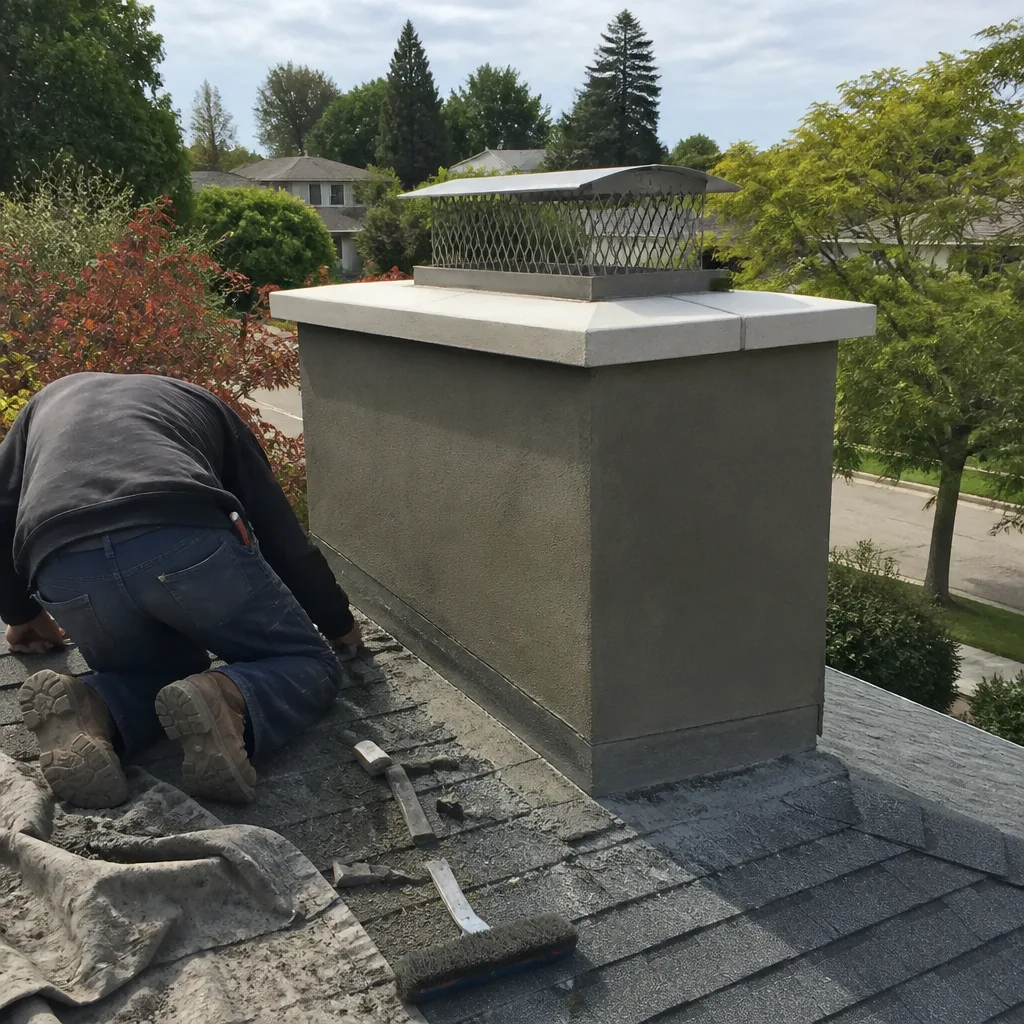
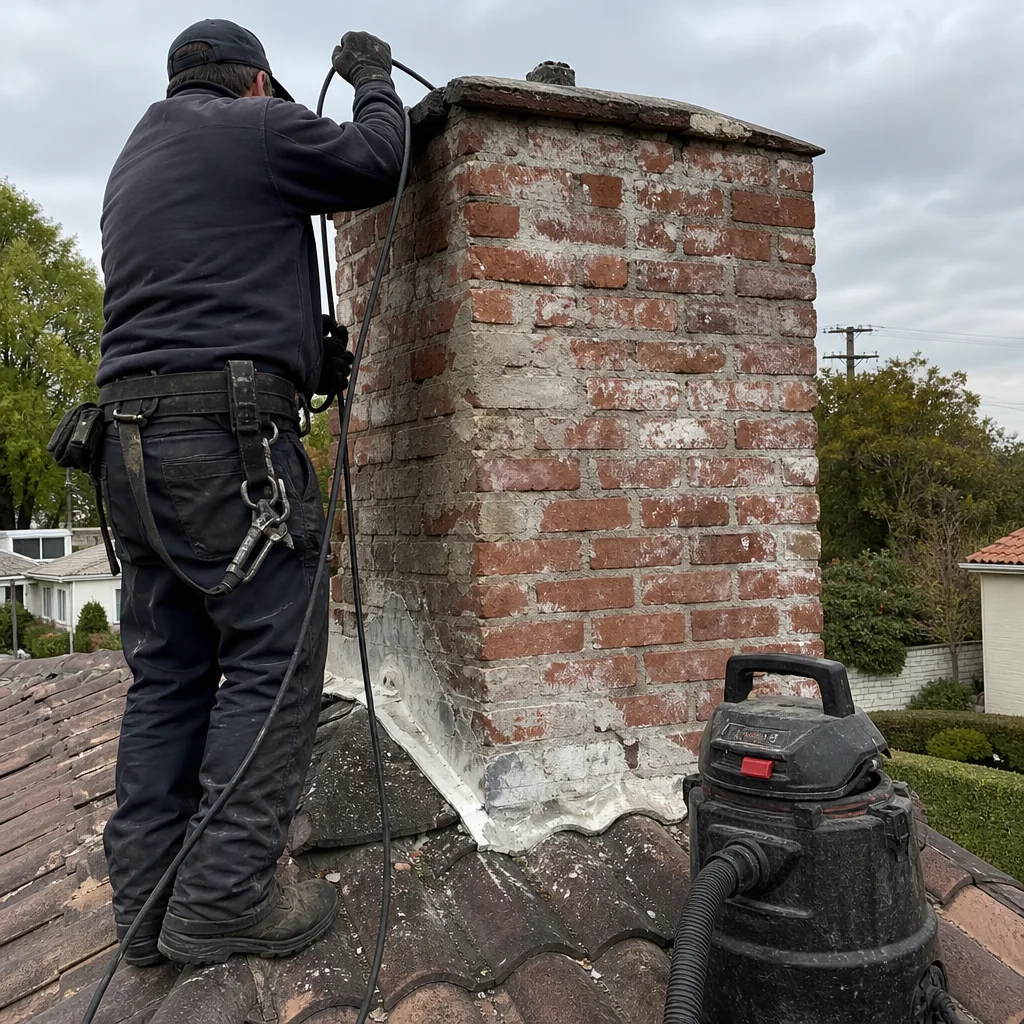
See the difference
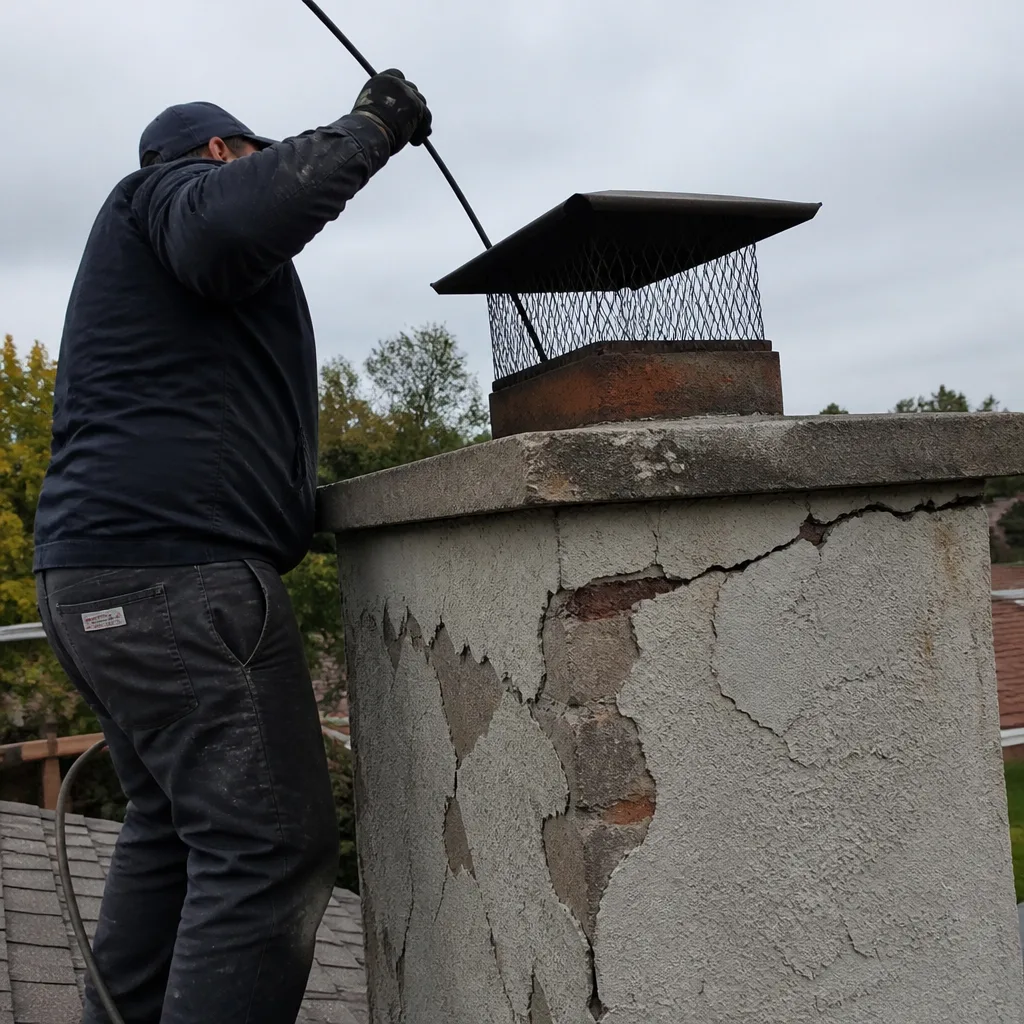 Before
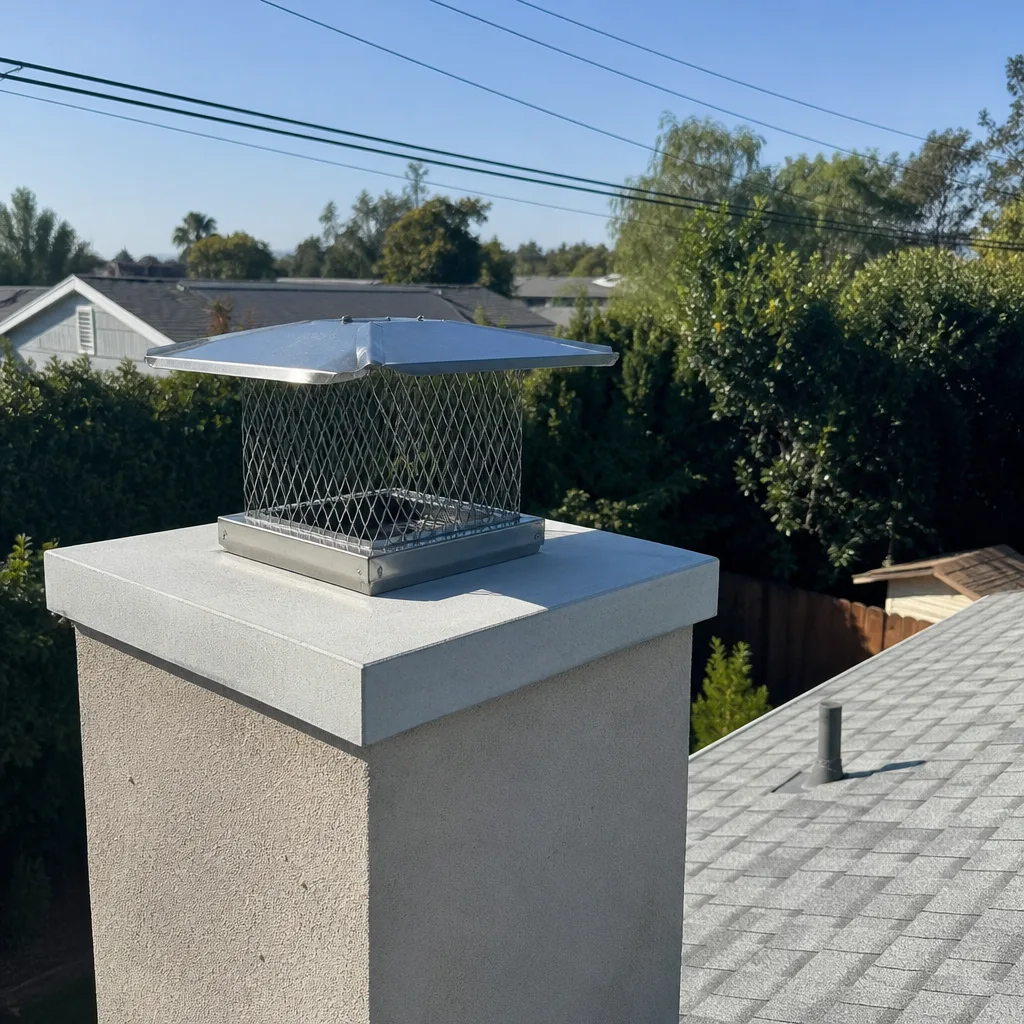 After
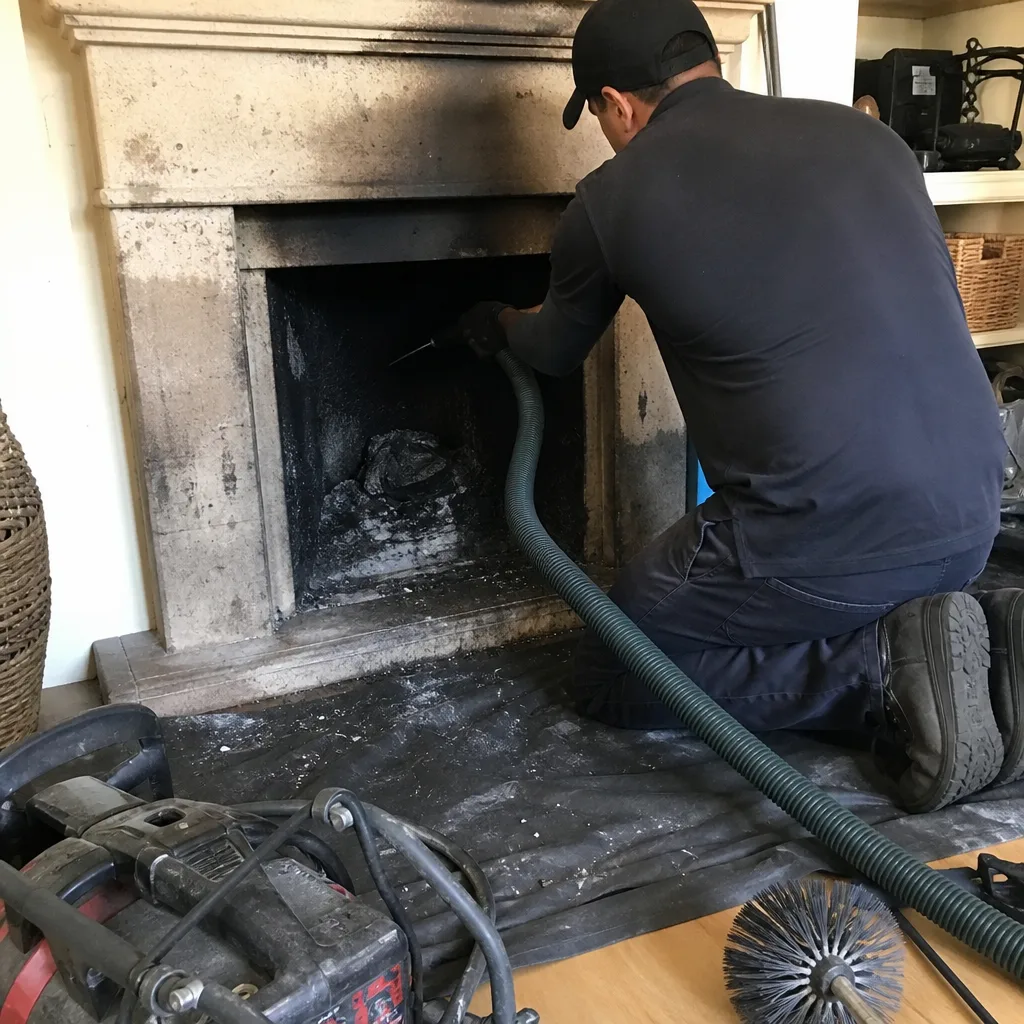 Before
 After
 Before
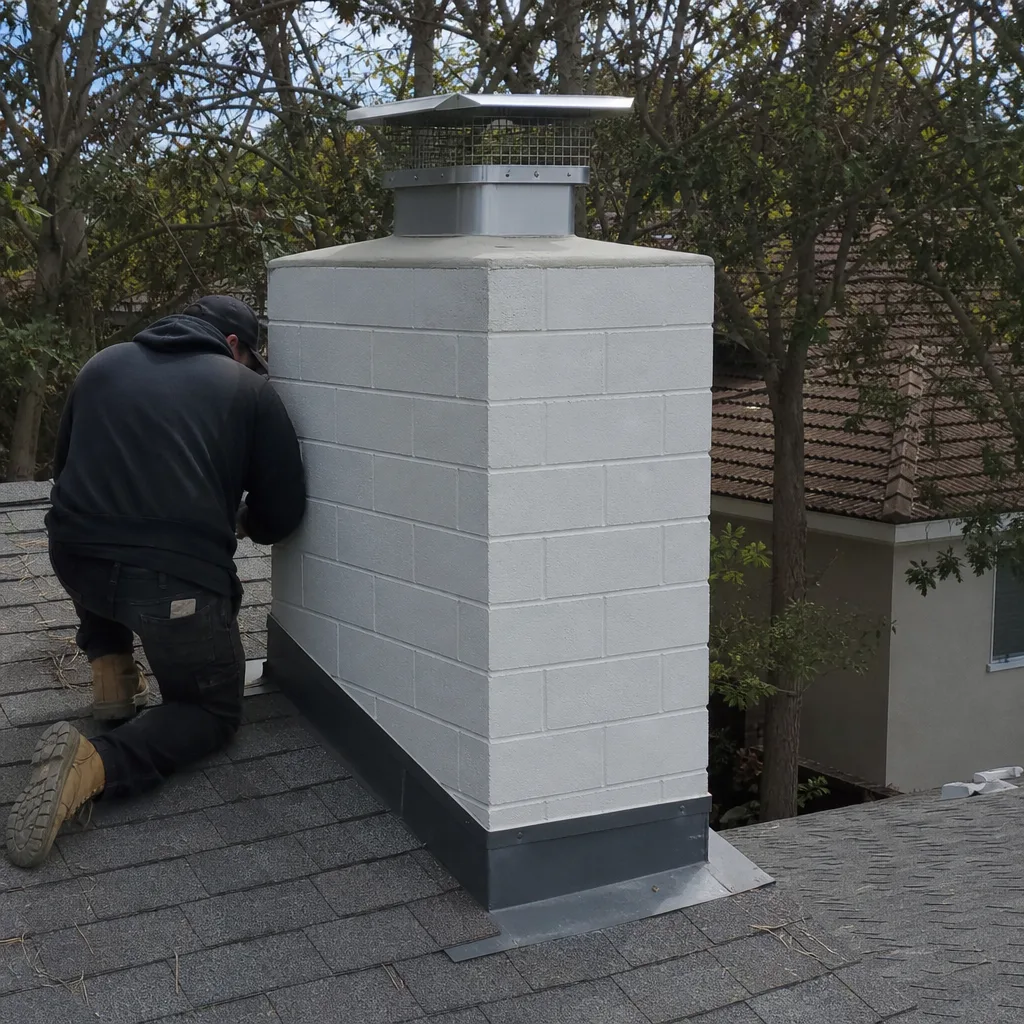 After