
Last updated November 2, 2026
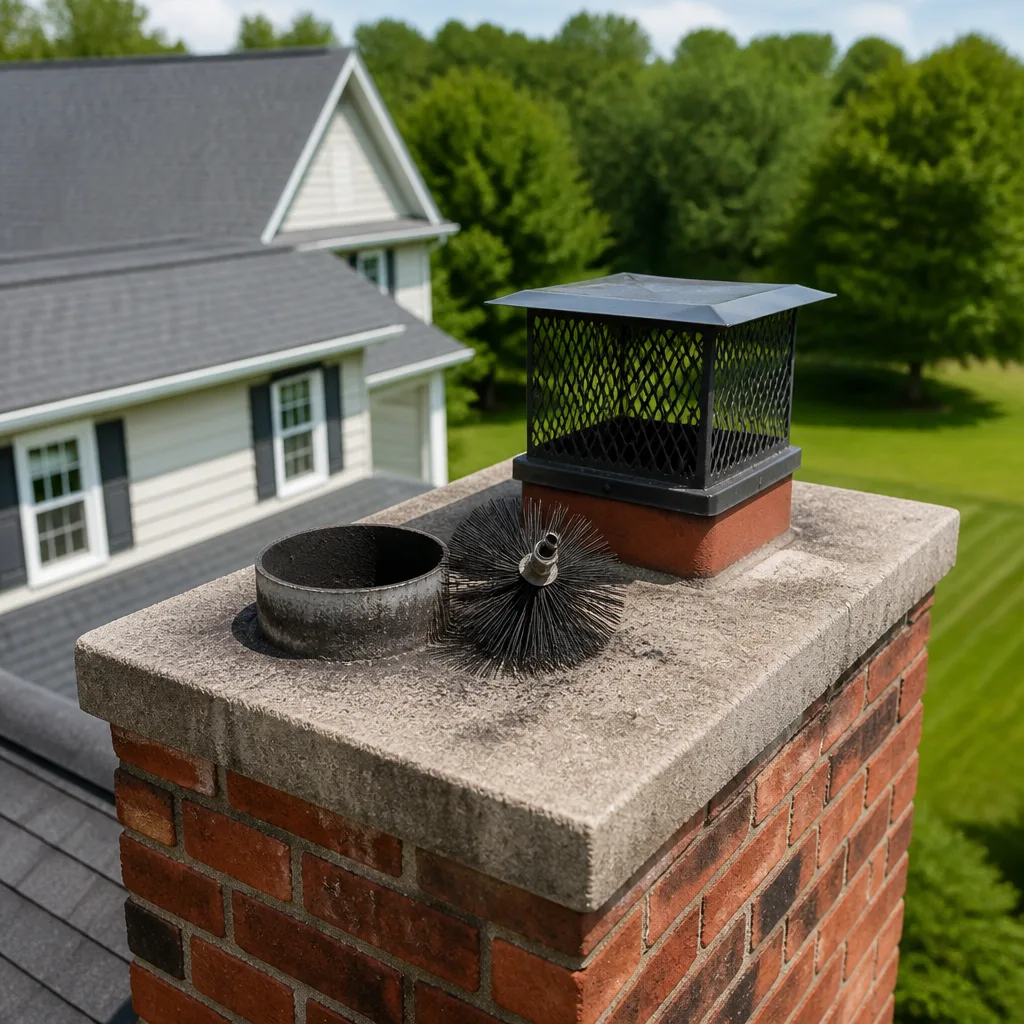 Sweep & inspection
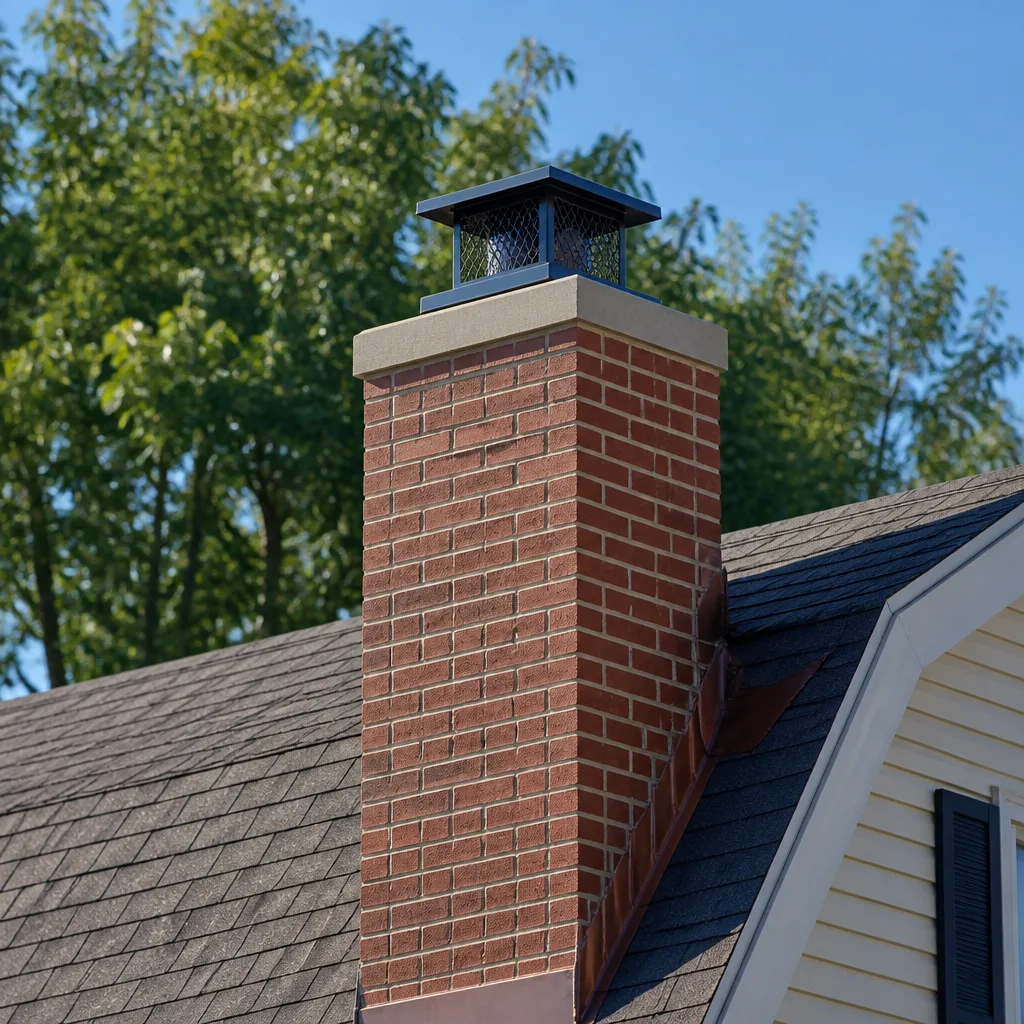 Caps & crowns
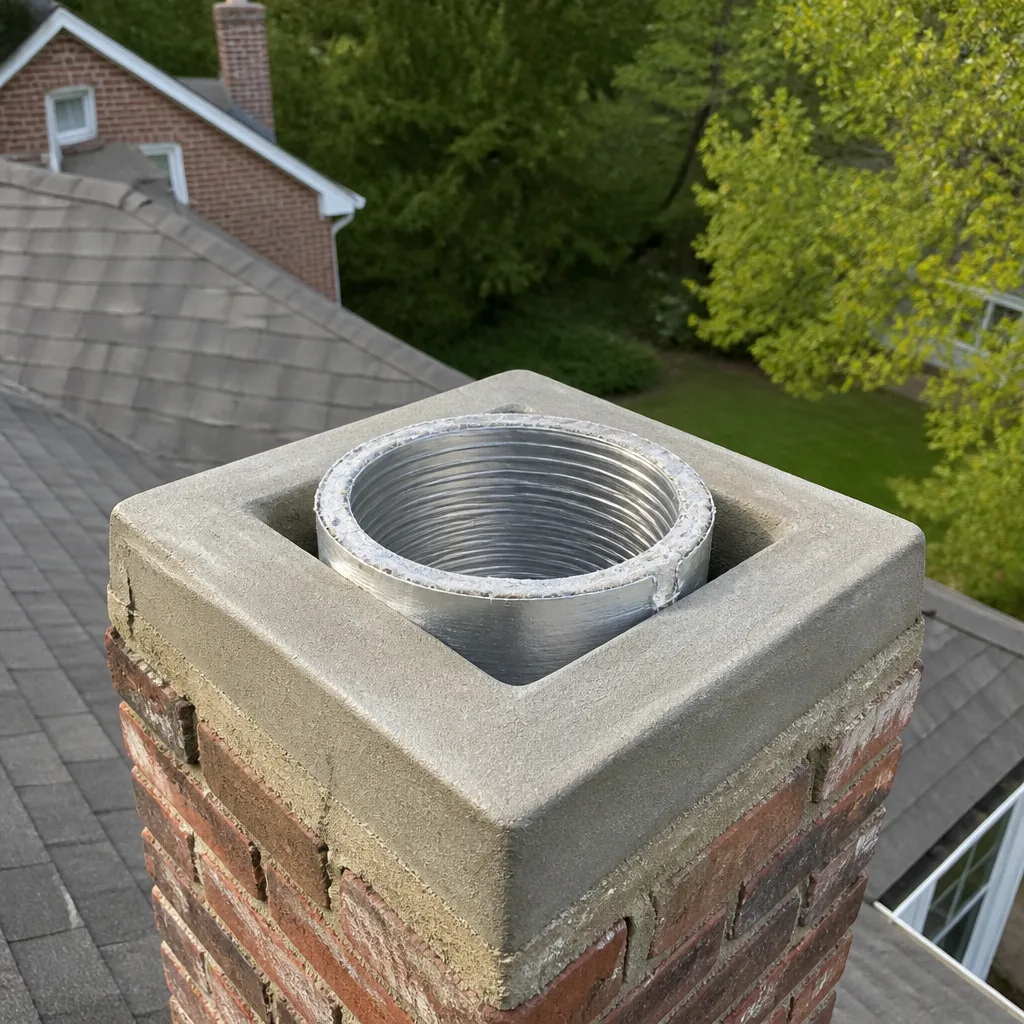 Flue relining
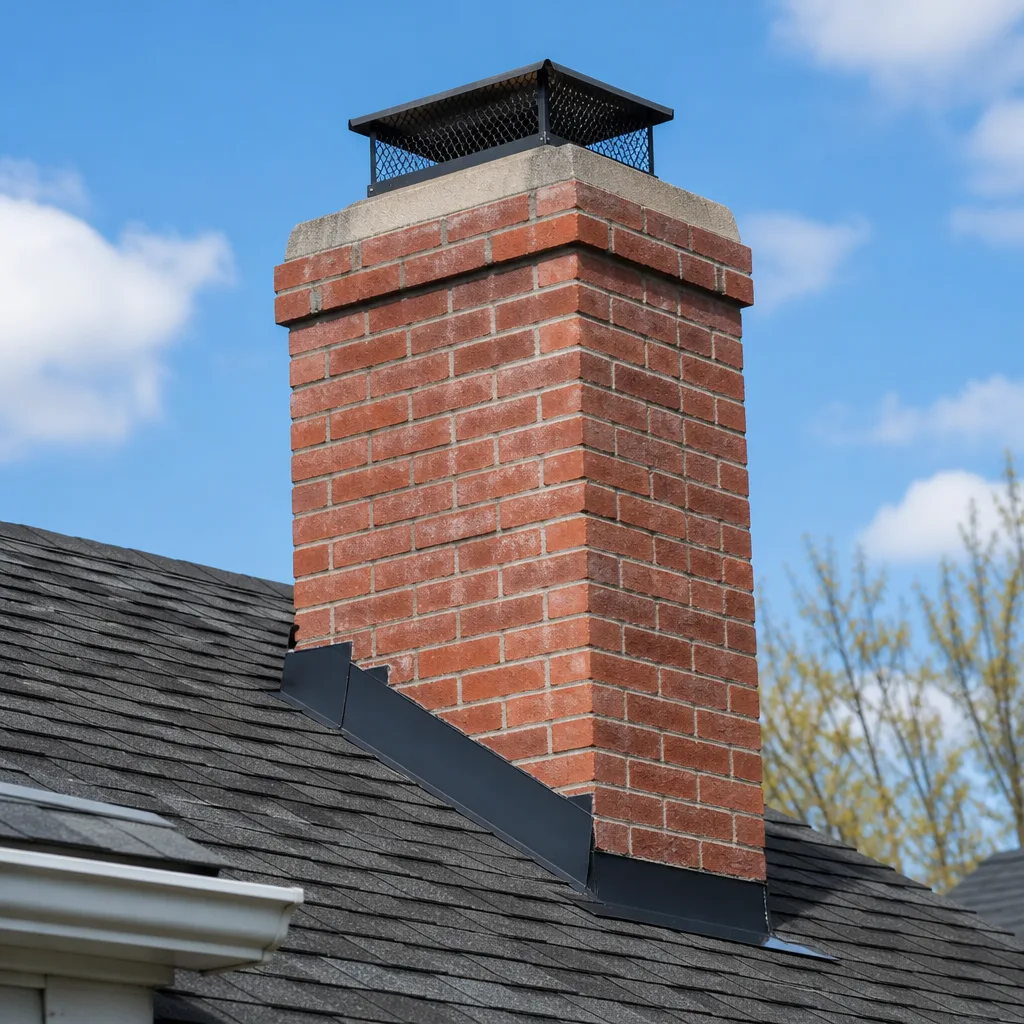 Masonry repair
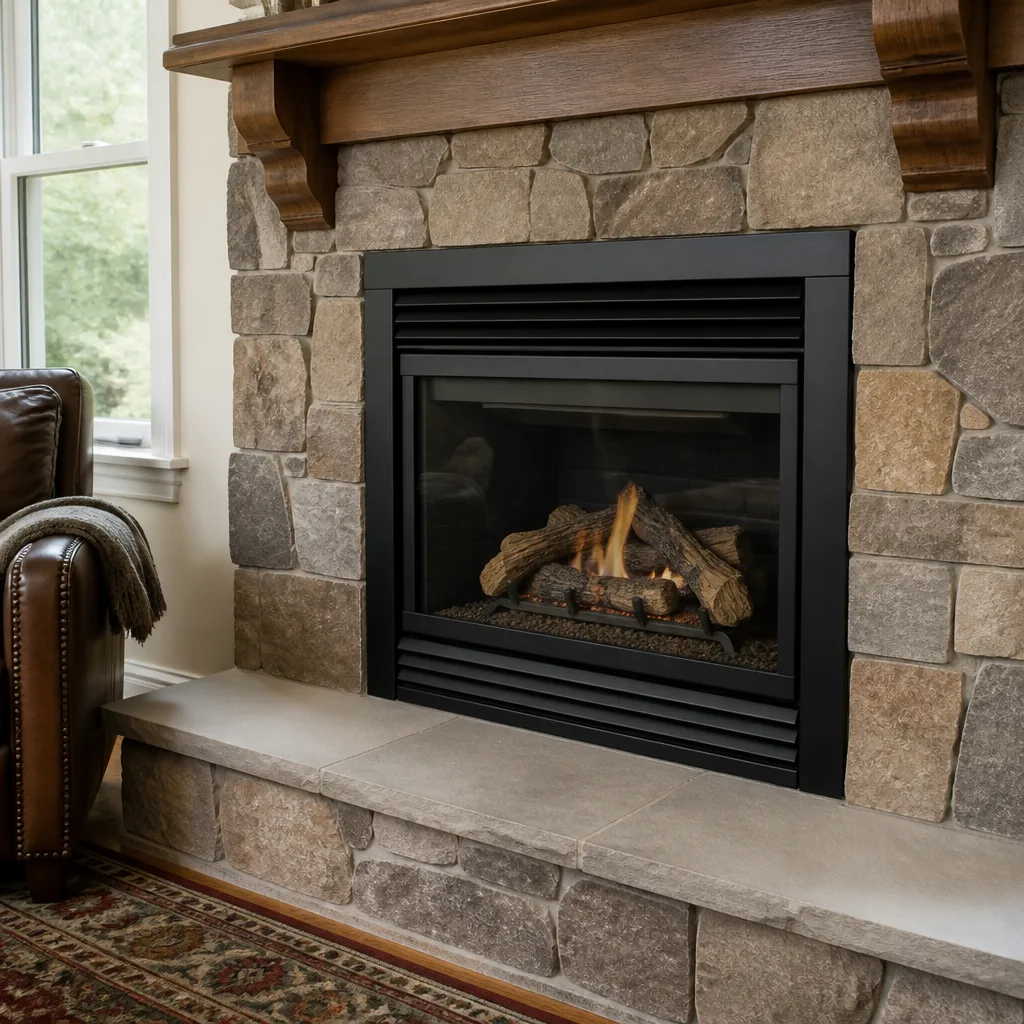 Gas fireplace service
Level 1 sweep and inspection to the NFPA 211 annual standard - flue, crown, cap, and flashing checked and photographed
Chimney sweep logs do not sweep chimneys. They loosen some creosote - which then falls where a brush and vacuum still have to collect it.
Chimney Cleaning Permits, Codes & Inspections in CA: What You Need to Know
Relining a chimney without a permit in California isn’t just a bureaucratic issue. It can void your homeowner’s insurance payout if a fire starts and the carrier’s adjuster finds unpermitted work in the flue. That single fact changes how a homeowner in Rancho Park should think about something as routine as a chimney sweep, a liner replacement, or a masonry repair. This guide – along with our Chimney Sweep Troubleshooting: Common Problems and How to Fix Them – untangles the layered rules: California’s Title 24, NFPA 211, and LA County amendments that apply specifically to our area. You’ll learn which jobs trigger a permit, which are maintenance-only, when a Level 2 inspection becomes legally mandatory, and how to pull inspection records that protect your resale value.
Quick Answer
Routine chimney sweeping and dryer vent cleaning do not require a permit anywhere in California, including Rancho Park and all of LA County. Permits are required for structural work: relining a flue, rebuilding a firebox, replacing a chimney crown, or any repair that alters the system’s structure or clearance to combustibles. A Level 2 inspection is legally required during any real estate transaction in California and after any change to the appliance or flue system. If you’re just getting your chimney swept before burn season, no permit is needed. If you’re changing anything structural, pull the permit first.
Styles & brands we work with
- Sweep & inspection
- Caps & crowns
- Flue relining
- Masonry repair
- Gas fireplace service
Table of Contents
- Which Chimney Services Require a Permit vs. Which Are Maintenance-Only
- How California Title 24 and NFPA 211 Work Together
- When a Level 2 Inspection Is Legally Required
- What Inspectors Look For in Older Rancho Park Masonry Chimneys
- How to Request Inspection Records From LA County
- Permits, Insurance Claims, and Escrow: The Connection Most Homeowners Miss
- Rancho Park Specifics: Climate, Soil, and What They Mean for Your Chimney
- Common Mistakes to Avoid
Which Chimney Services Require a Permit vs. Which Are Maintenance-Only
In California, the line between maintenance and construction is drawn by whether the work changes the structure or function of the chimney system. A routine chimney sweep is explicitly maintenance. You’re removing creosote and soot from an existing flue. No permit, no inspection, no paperwork. Same goes for dryer vent cleaning. You’re clearing an existing exhaust pathway. That’s not construction.
Here’s where it shifts. Relining a chimney, whether with a DuraFlex stainless liner or a poured-in-place system, is a structural alteration. It changes the flue’s dimensions, materials, and clearance profile. LA County requires a building permit for that work. Rebuilding a firebox, replacing a damaged chimney crown, repointing more than a small patch of mortar, or adding a new flue tile all fall into the permit category. The rule of thumb is straightforward, and I’ll put it in the simplest terms possible: if the work would be visible in a wall cross-section after you’re done, or if it changes how heat moves through the system, you need a permit.
Some homeowners in Rancho Park try to skirt this by calling a reline a “repair.” An inspector won’t see it that way. The LA County Department of Building and Safety treats any modification to the flue’s approved configuration as new work, not maintenance. If you have any doubt about which category your project falls into, call the department’s west LA office and describe the scope. They’ll tell you directly whether a permit is required. That phone call takes ten minutes and can save you an insurance headache that lasts years.
How California Title 24 and NFPA 211 Work Together
California’s Title 24 is the state’s building code. NFPA 211 is the National Fire Protection Association’s standard for chimneys, fireplaces, vents, and solid-fuel-burning appliances. They are not competing documents. Title 24 adopts NFPA 211 by reference, which means the NFPA standard becomes enforceable California law where the state code points to it. Understanding both is how you avoid mistakes that inspectors catch.
For wood-burning appliance installations, Title 24 establishes the energy-efficiency and environmental requirements, while NFPA 211 governs clearances, flue sizing, and construction materials. A new wood-burning stove in a Rancho Park home must meet both. The stove itself needs EPA certification. The chimney it connects to must meet NFPA 211 clearance-to-combustibles requirements. If you’re relining an existing masonry chimney to serve that stove, the liner material and installation method must comply with the referenced standard. This is why we work with DuraFlex liner systems. They’re engineered and tested to meet the UL listings that NFPA 211 requires for relining applications. A generic liner from a hardware store may not carry the right UL listing for your specific appliance class.
For gas appliances, the codes shift. A gas fireplace insert in an existing masonry chimney still requires proper venting. If the flue is oversized for the appliance, which is common in older Rancho Park homes built in the 1940s and 1950s, the exhaust can cool too quickly and condense. That condensation is acidic and eats through clay tile liners. NFPA 211 and the California Mechanical Code have specific provisions for resizing flues when the appliance changes. This is also where a Level 2 inspection comes in, because the code requires it before any appliance change. The code isn’t just about preventing fires. It’s also about preventing slow structural failure that you won’t notice until a liner collapses.
What this means in practice: if a contractor tells you a reline doesn’t need a permit, they’re wrong under both Title 24 and LA County amendments. If they tell you any liner will work, they’re also wrong. The liner has to match the appliance class and flue dimensions. We stock Copperfield and Olympia Chimney components specifically because they carry the test certifications that inspectors in LA County look for during a post-permit inspection.
When a Level 2 Inspection Is Legally Required
NFPA 211 defines three levels of chimney inspection. A Level 1 is for routine annual maintenance when nothing has changed since the last inspection. A Level 2 is more thorough and includes video scanning of the entire flue interior. A Level 3 is destructive, meaning parts of the chimney or wall are opened up to access concealed areas. Most homeowners only ever encounter Level 1 and Level 2.
A Level 2 inspection is legally required in three specific situations in California:
- Real estate transactions. When a property in Rancho Park changes ownership, the buyer’s lender or insurance carrier often requires a Level 2 inspection before closing. Even when no lender is involved, the California Residential Purchase Agreement commonly includes a chimney inspection contingency.
- Any change to the appliance or flue system. This includes installing a wood stove, converting from wood to gas, relining the flue, or replacing an insert. The code requires confirming that the existing chimney is suitable for the new appliance’s venting requirements before it’s used.
- After a chimney fire, earthquake, weather event, or any event that may have damaged the system. Southern California’s seismic activity makes this particularly relevant. Even a small earthquake can shift masonry and crack a clay tile liner in a way that’s invisible from the firebox.
What many Rancho Park homeowners don’t realize is that a Level 2 inspection is also what insurance carriers request after a claim involving a chimney or flue. If your wood stove caused a wall fire and the adjuster asks for proof of recent inspection, a Level 1 report from three years ago won’t satisfy them. They want the video documentation that a Level 2 inspection provides. We perform Level 2 inspections as part of our chimney repair workflow in Rancho Park, before any liner work is quoted, specifically because it gives you and us a definitive answer about what’s actually happening inside the flue. For more on what to watch for, see our Chimney Cleaning Warning Signs: A Rancho Park Homeowner’s Reference Guide.
There’s also a practical trigger that isn’t legal but is highly recommended: if you’ve never had the chimney inspected and you just bought the house, schedule a Level 2. You don’t know what the previous owner did or didn’t do. We’ve found unpermitted relines, disconnected vent pipes, and flues packed with decades of creosote in homes that looked pristine from the outside. The inspection is the only way to know.
What Inspectors Look For in Older Rancho Park Masonry Chimneys
Rancho Park’s housing stock skews toward mid-century construction. Many homes were built between 1935 and 1960, and their masonry chimneys were built to standards that predate modern clearance requirements. Inspectors know this. When an LA County inspector or a Level 2 inspector evaluates an older chimney, they’re checking specific failure points that are common in our area’s homes.
The first thing they check is clearance to combustibles. Older building codes allowed wood framing much closer to masonry chimneys than today’s standards permit. In many Rancho Park homes, you’ll find framing members within inches of the flue. Since those homes were built before the current rules, they’re generally grandfathered unless you modify the system. But the moment you reline or rebuild, the inspector will hold you to current code. That means a reline project can unexpectedly require moving framing, which is why we always inspect the chase and attic space before quoting a liner replacement.
Inspectors also look at the condition of clay tile liners. In homes of this era, terra cotta flue tiles were standard. After 60 to 80 years of heating and cooling cycles, plus our area’s occasional seismic activity, those tiles crack and shift. A cracked tile does two things: it allows hot gases to reach the masonry and framing, and it catches creosote in the gaps, creating a fire hazard that a sweep alone won’t fix. Inspectors use video scans to document every crack, offset, and missing section of tile.
The crown is another focus. A deteriorated chimney crown lets water into the masonry, and water intrusion is the slow killer of Southern California chimneys. We get less rain than most of the country, but when it does rain, a cracked crown funnels water into the chimney’s core. Combined with our dry heat, that moisture cycle causes spalling, brick face popping, and eventually structural instability. Inspectors look at the crown because it’s the first domino.
Finally, inspectors check the flashing where the chimney meets the roof. Failed flashing is a common entry point for water damage, and it’s one of the most frequently cited defects in escrow-related inspection reports. In our experience, at least half the Rancho Park chimneys we inspect have some degree of flashing deterioration, simply because flashing is exposed to our sun and heat year-round. The roofing cement and sealants used decades ago dry out and crack. A chimney sweep won’t find flashing problems. Only a roof-level inspection catches them, which is why a Level 2 inspection includes roof access, not just a look up the firebox.
How to Request Inspection Records From LA County
If you own a home in Rancho Park and want to know whether previous chimney work was permitted, or if a prospective buyer asks during escrow, LA County makes record requests possible. The process is slower than any of us would like, so start early. Here’s the step-by-step for pulling permission and inspection records.
- Identify the property’s APN (Assessor’s Parcel Number). Use the LA County Assessor’s online portal. In Rancho Park, the APN will start with a series like 4255 or 4260, depending on the exact tract. You can also find it on your property tax bill or any escrow documents.
- Visit the LA County Department of Building and Safety website. Navigate to the West Los Angeles district office or the online permitting portal. Enter the APN to see what permits have been pulled for your address. This will show any chimney-related permits, including relines and rebuilds.
- Request copies of inspection records. If a permit was pulled, there will be a record of the inspector’s sign-off. Copies of these records are available through the district office. There is a nominal fee, and requests typically take seven to fourteen business days.
- Check with your title company during escrow. Buyers in California are entitled to request a permit history as part of due diligence. Many title companies will pull these records on your behalf, but don’t assume they will do it automatically. Ask.
- Document everything. If the records show no permit for a reline or rebuild, that’s a material fact. You’ll want that in writing, because it affects your negotiation position during escrow and your insurance coverage after close.
Why does this documentation matter for resale? Because a future buyer’s inspector will check. If your home shows an obvious reline or rebuilt firebox but no matching permit in the county records, the buyer’s agent will flag it. You then have three options: disclose it and accept a lower offer, apply for a retroactive permit, which involves opening up the work for inspection and often undoing parts of it, or lose the buyer entirely. Pulling records before you list your Rancho Park home takes an afternoon and gives you time to resolve any gaps on your terms, not under an escrow deadline. If you need a professional to evaluate the condition of your chimney before listing, a Chimney Repair in Rancho Park evaluation covers the same scope a buyer’s inspector will examine.
Permits, Insurance Claims, and Escrow: The Connection Most Homeowners Miss
Here’s the scenario that makes the opening of this guide real. A homeowner in Rancho Park has a chimney fire. The fire department responds, the fire is contained, and the homeowner files a claim. The insurance adjuster arrives, reviews the damage, and asks for documentation of any chimney work performed in the last ten years. The homeowner had their chimney relined five years ago, but the contractor never pulled a permit. The reline wasn’t the cause of the fire, but the adjuster’s report now shows unpermitted work in the flue. The carrier denies the claim based on a material misrepresentation or excluded work clause. The homeowner faces tens of thousands in repair costs with no coverage.
This isn’t hypothetical. Insurance carriers in California have become increasingly aggressive about denying claims involving unpermitted work, particularly in fire-prone areas. The logic is simple: unpermitted work means no independent verification that the work met code, and no verification means the carrier can’t assess the risk they insured. If the work was done without a permit, the policy’s coverage for resulting damage can be voided.
Escrow has its own version of this problem. During a real estate transaction in Rancho Park, the buyer’s inspector will note any signs of recent chimney work. If the seller can’t produce a permit, the deal often gets renegotiated or falls apart. Sellers end up accepting a price reduction or paying for a retroactive permit and inspection. Buyers, meanwhile, inherit an unpermitted chimney and a future insurance risk they didn’t price into the purchase. Both sides lose. The seller who pulled a permit pays a few hundred dollars at the time of the work. The seller who didn’t pays thousands in escrow concessions later.
This is where the paperwork matters more than the work itself. A chimney reline done correctly but without a permit is still unpermitted work. We pull permits on every structural project we do in Rancho Park, and we give the homeowner copies of the permit and the inspection sign-off. When it’s time to sell, those documents go in the file with the rest of the disclosures. That’s the difference between a clean escrow and a contested one.
Rancho Park Specifics: Climate, Soil, and What They Mean for Your Chimney
Rancho Park sits in a particular climate zone that affects chimneys differently than a coastal city like Santa Monica or a valley city like Burbank. We get marine layer mornings that cool things down, then afternoon sun that heats masonry hard. That daily thermal cycle, repeated for decades, is what ages brick and mortar faster than steady temperatures would. Masonry expands when heated and contracts when cooled. Over thousands of cycles, that movement cracks mortar joints and loosens bricks. It’s why we see more repointing needs in Rancho Park chimneys than in areas with less temperature swing.
Our soils are another factor. Much of Rancho Park sits on alluvial soil that’s relatively stable, but we’re still close enough to the Newport-Inglewood fault zone that small movements happen. We’re not going to claim every chimney crack is earthquake-related. That would be irresponsible. But we do tell homeowners that even minor seismic activity can turn a hairline crack into a structural offset, especially in older masonry chimneys that already have decades of thermal stress. A Level 2 inspection after any noticeable quake is a reasonable precaution. It costs less than a chimney fire or a water-damage repair.
There’s also a seasonal rhythm to chimney use here that codes don’t capture. Rancho Park homes often have wood-burning fireplaces that are used sporadically, a few times per year, not as primary heat sources. That irregular use pattern means creosote builds up slowly, which makes annual sweeping seem optional to many homeowners. The reality is that even occasional fires produce creosote, and creosote is flammable regardless of how long it took to accumulate. A chimney that hasn’t been swept in three years, even if it was only used ten times a year, has enough buildup to support a chimney fire. Before the burn season, a Chimney Sweep Rancho Park home inspection and sweep is the baseline safety step. It’s not about frequency of use. It’s about the fact that creosote doesn’t care how often you burn. It just accumulates.
Common Mistakes to Avoid
- Assuming a sweep replaces an inspection. A sweep removes creosote, but it doesn’t document the structural condition of the flue. A video scan, which is part of a Level 2 inspection, is the only way to see cracked tiles, offsets, or hidden damage.
- Skipping the permit on a reline to save money. The savings vanish when the escrow inspection reveals unpermitted work and the buyer renegotiates. Pulling the permit is cheaper than the alternative.
- Ignoring the annual sweep because the fireplace is rarely used. Creosote accumulation isn’t about frequency. Even occasional fires create flammable deposits, and the risk doesn’t decline because you skip seasons.
- Using any liner for any appliance. A liner must match the appliance class and flue dimensions. A generic liner for a wood stove in a flue sized for an open fireplace won’t meet NFPA 211 requirements. We work with DuraFlex and HeatShield specifically because they’re rated for the applications we see in Rancho Park homes.
- Failing to check the chimney during escrow. Buyers who skip a Level 2 inspection during escrow are buying an unknown system. If the seller has no permit record and no inspection documentation, you’re taking the risk of their inaction.
- Assuming dryer vents are unrelated to chimney safety. They share the same category: combustion exhaust and airflow. A clogged dryer vent is a fire hazard, and Dryer Vent Cleaning in Rancho Park is relevant to the same homeowner who takes chimney safety seriously.
- Not keeping inspection records after the work is done. The permit sign-off, the Level 2 video, and the receipt for liner materials are documents you’ll want in escrow. Store them with your property records.
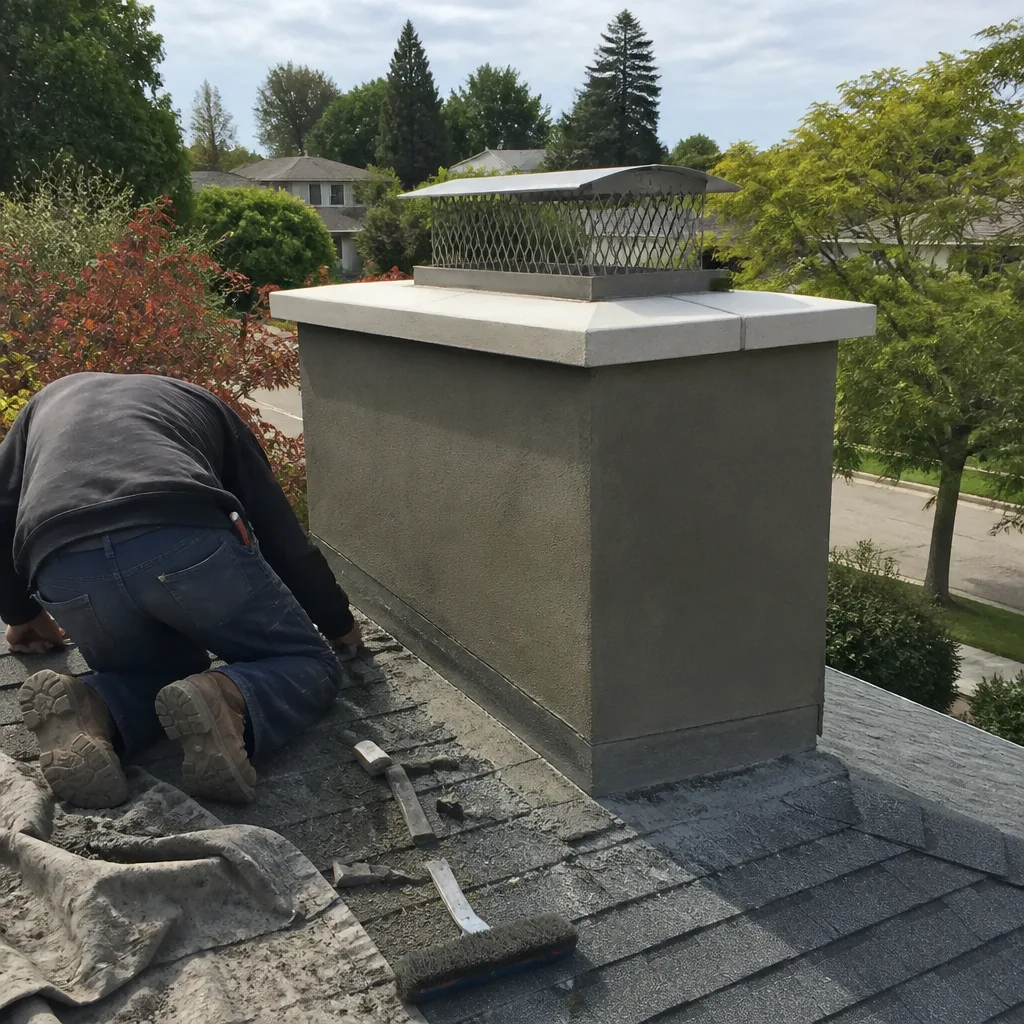
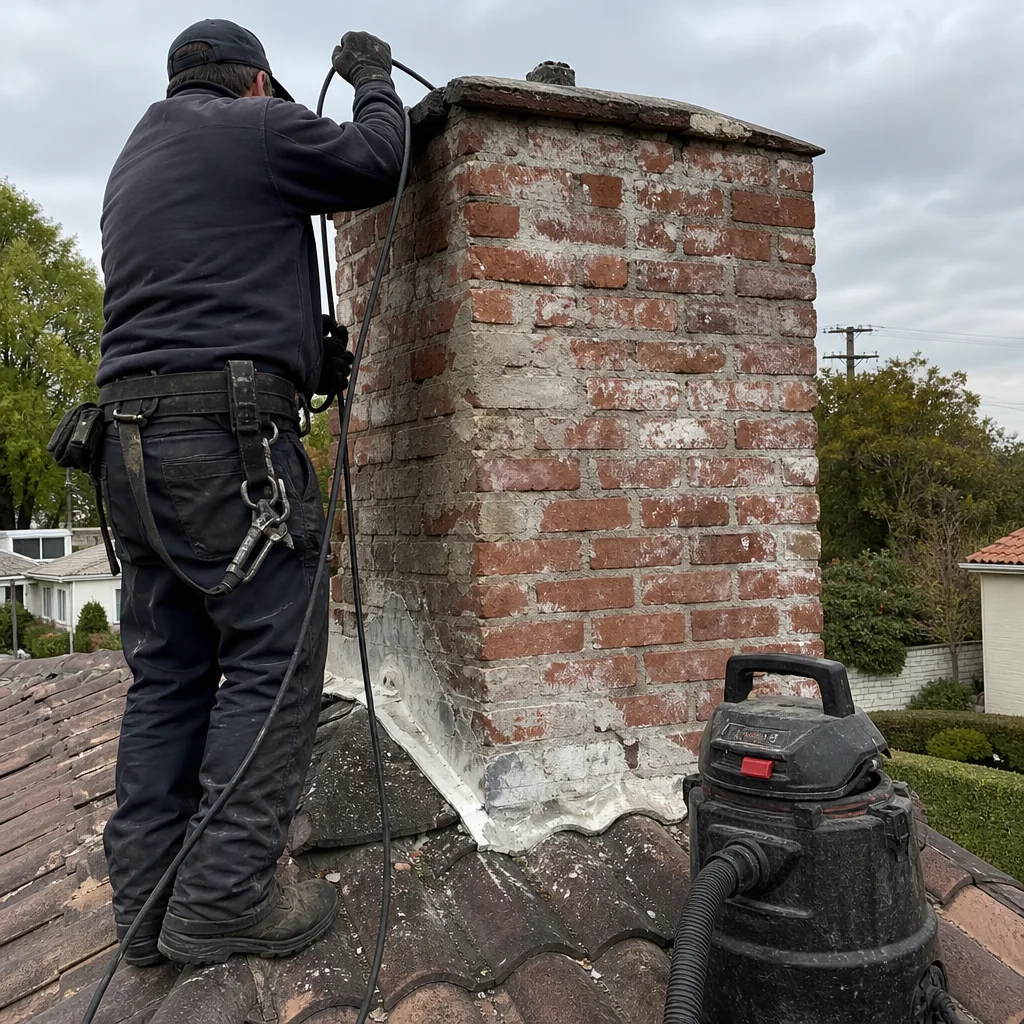
See the difference
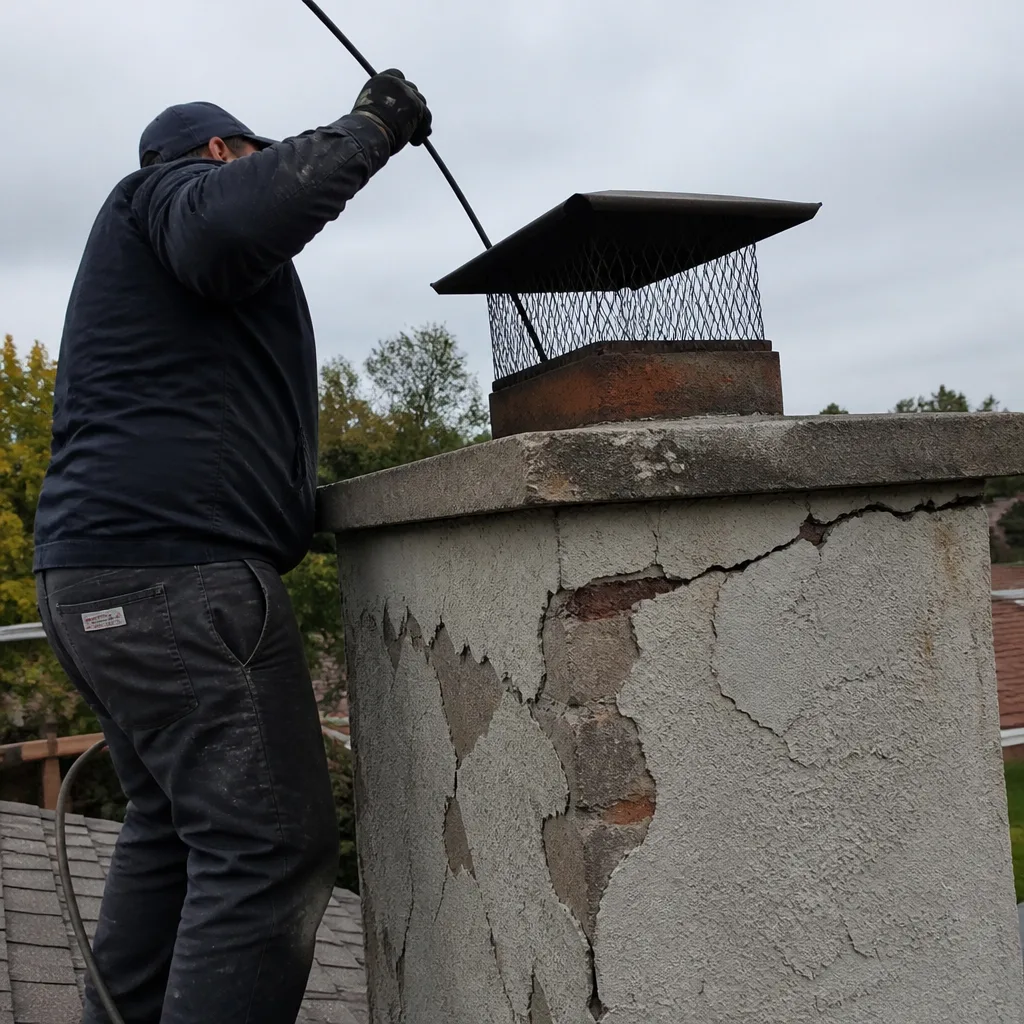 Before
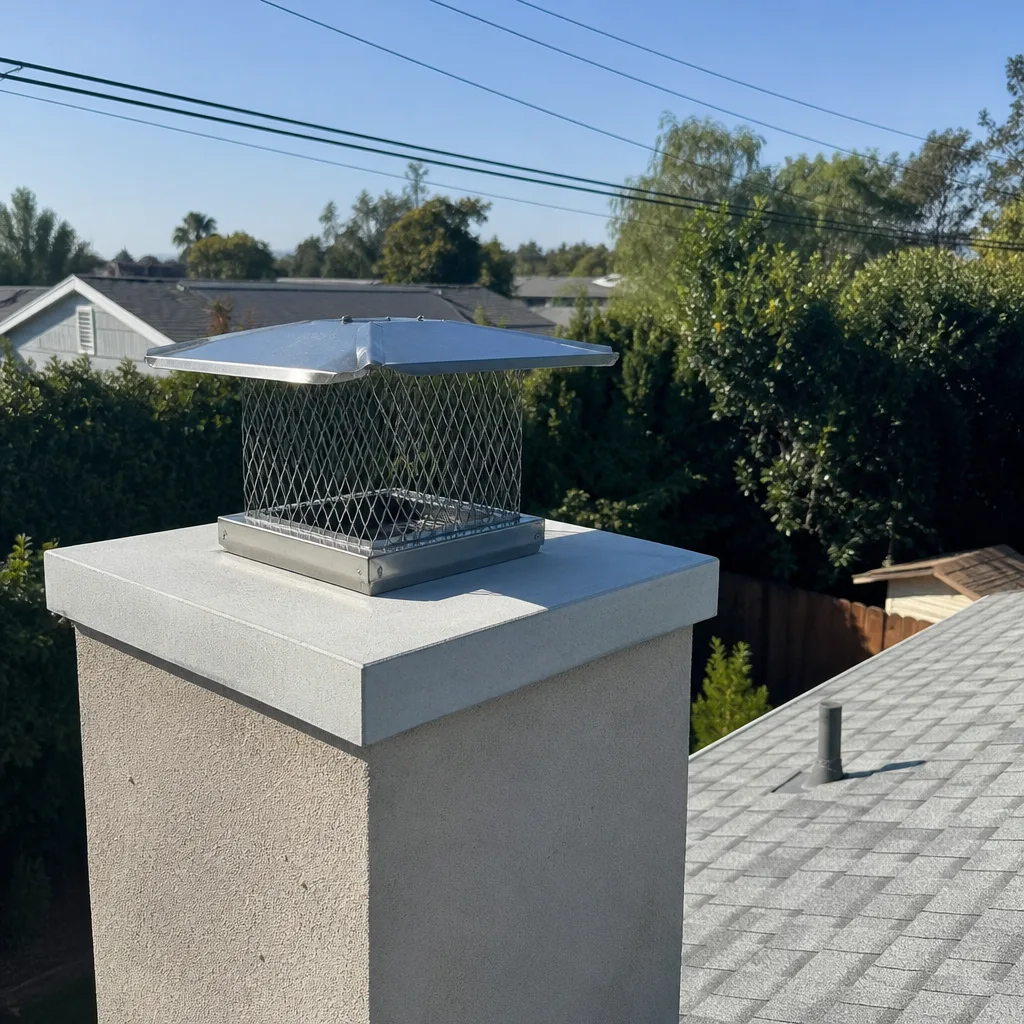 After
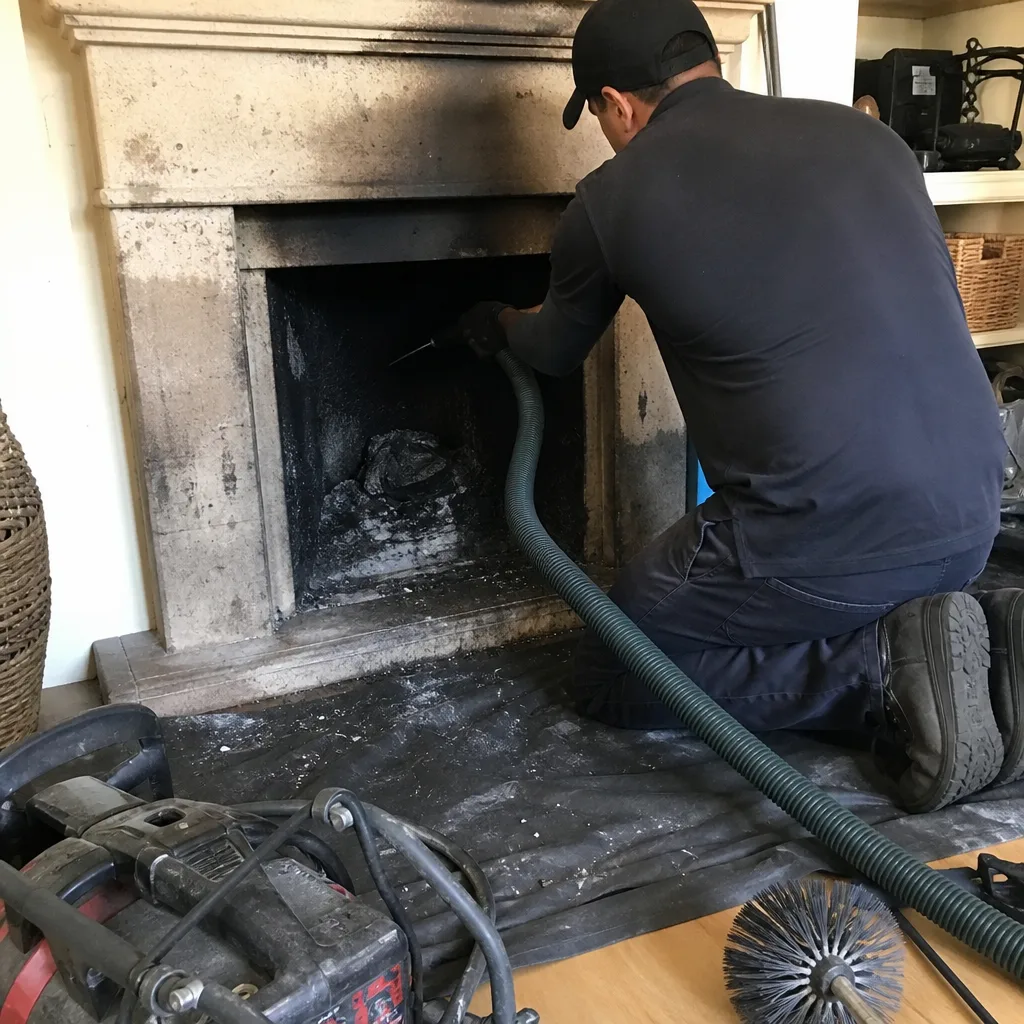 Before
 After
 Before
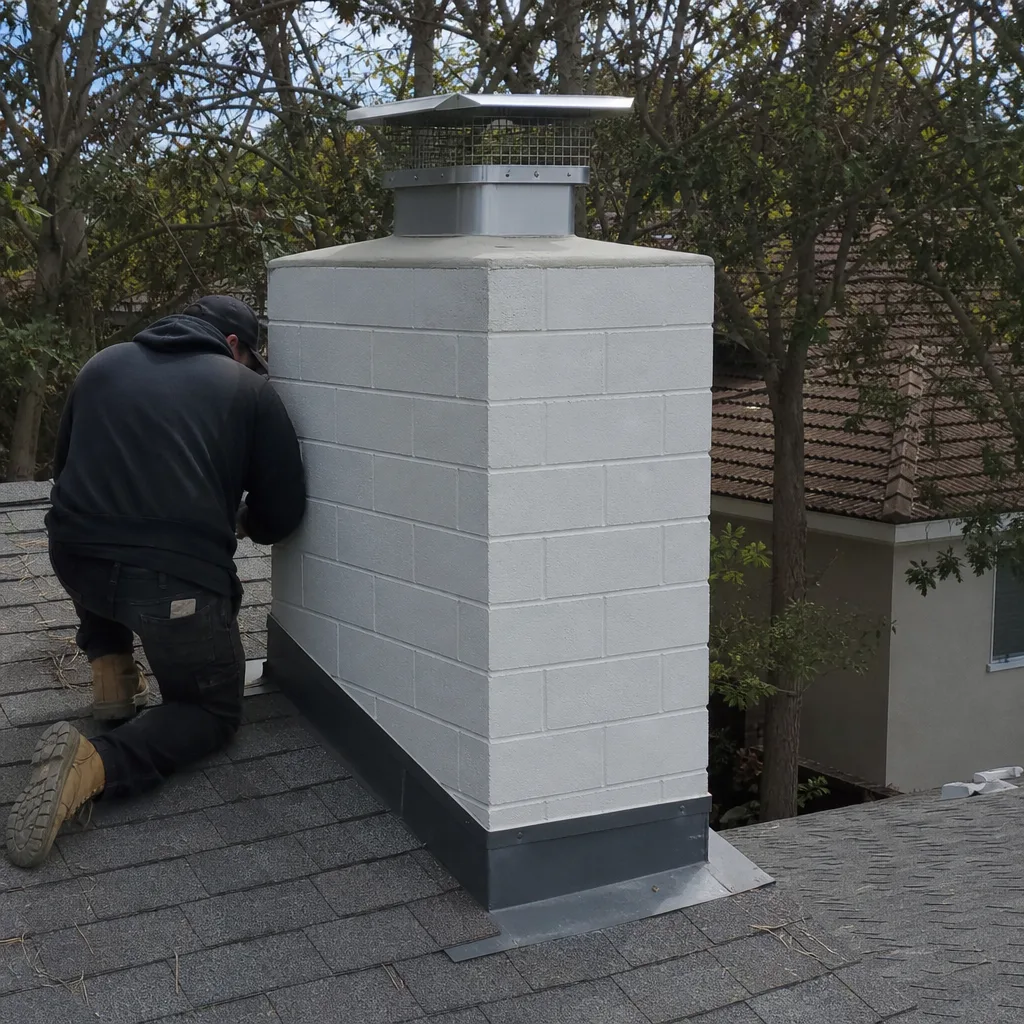 After
When to Call a Professional
If you’re facing any of these situations in Rancho Park, a professional evaluation is the right first step. You just bought a home with an unknown chimney history. You’re converting from wood to gas or installing a new insert. You had a small chimney fire or a noticeable earthquake and haven’t inspected since. You’re selling and your agent flagged the chimney in the disclosure. Or you simply haven’t had the flue inspected in three or more years, and you’re planning to start burning again. A Chimney Sweep in Rancho Park evaluation is straightforward: we inspect, we show you what we find on camera, and we don’t recommend work that isn’t supported by what you can see for yourself. Chimney Sweep Rancho Park offers free estimates in Rancho Park. Call (877) 326-6276 to schedule an inspection before burn season.
Frequently Asked Questions
No. Routine chimney sweeping is maintenance, not construction, and no permit is required anywhere in California, including Rancho Park. A sweep removes creosote and soot from an existing flue without altering the structure or function of the chimney. Only structural work, like relining or rebuilding, requires a permit.
In Rancho Park, a standard chimney sweep typically runs between $180 and $320, depending on the flue condition, roof access difficulty, and whether a video inspection is included. A Level 2 inspection, which includes the video scan, usually adds $150 to $250. If the sweep uncovers structural damage, repair costs are quoted separately. Call (877) 326-6276 for an exact quote. Estimates are free.
Creosote accumulates with every fire, regardless of how often you burn. After three or more years without a sweep, the flue has enough buildup to support a chimney fire. A chimney fire damages the liner, often invisibly, and can extend into the framing. The first sign is sometimes the fire itself. An annual sweep before burn season removes the fuel source.
Small cracks in a clay tile liner are not safe to ignore. The cracks allow heat and gases to reach the masonry and surrounding framing, and creosote collects in the gaps, creating a fire path. Depending on the extent of the damage, a HeatShield ceramic resurfacing or a DuraFlex liner replacement may repair the flue without a full rebuild. The right fix depends on what the video scan shows. Call (877) 326-6276 for an evaluation.
Dryer vents are governed by the California Mechanical Code, which prohibits flexible foil ducts inside walls and requires the vent to terminate outside. Cleaning a dryer vent requires no permit. But a clogged dryer vent is a fire hazard with a similar risk profile to a dirty chimney. Both should be maintained annually, and both are covered under the same safety category in our service scope.
NFPA 211 and the Chimney Safety Institute of America both recommend an annual inspection and a sweep when creosote reaches 1/8 inch of accumulation. In Rancho Park, where fireplaces are used seasonally rather than as primary heat, annual sweeping is still the standard recommendation. The cost of a sweep is modest compared to the cost of ignoring the buildup.
The Bottom Line
California’s chimney rules are layered, but they are not complicated once you sort them by function. Sweeping is maintenance and requires no permit. Relining, rebuilding, and structural repairs require permits, and skipping them can void insurance coverage and derail escrow. A Level 2 inspection is required for real estate transactions, appliance changes, and post-event evaluations. Documentation is your protection: permits, inspection video, and material receipts are the evidence you’ll need when you sell or file a claim. For homeowners in Rancho Park, the actionable takeaway is simple: sweep annually, inspect before structural work, and pull permits whenever the work changes the system. If you need a professional assessment of your chimney, dryer vent, or both, Chimney Sweep Rancho Park offers free estimates in Rancho Park. Call (877) 326-6276 before burn season.
Written by the team at Chimney Sweep Rancho Park, serving Rancho Park since 2011. Explore more guides & resources on keeping your chimney safe.