
Last updated November 2, 2026
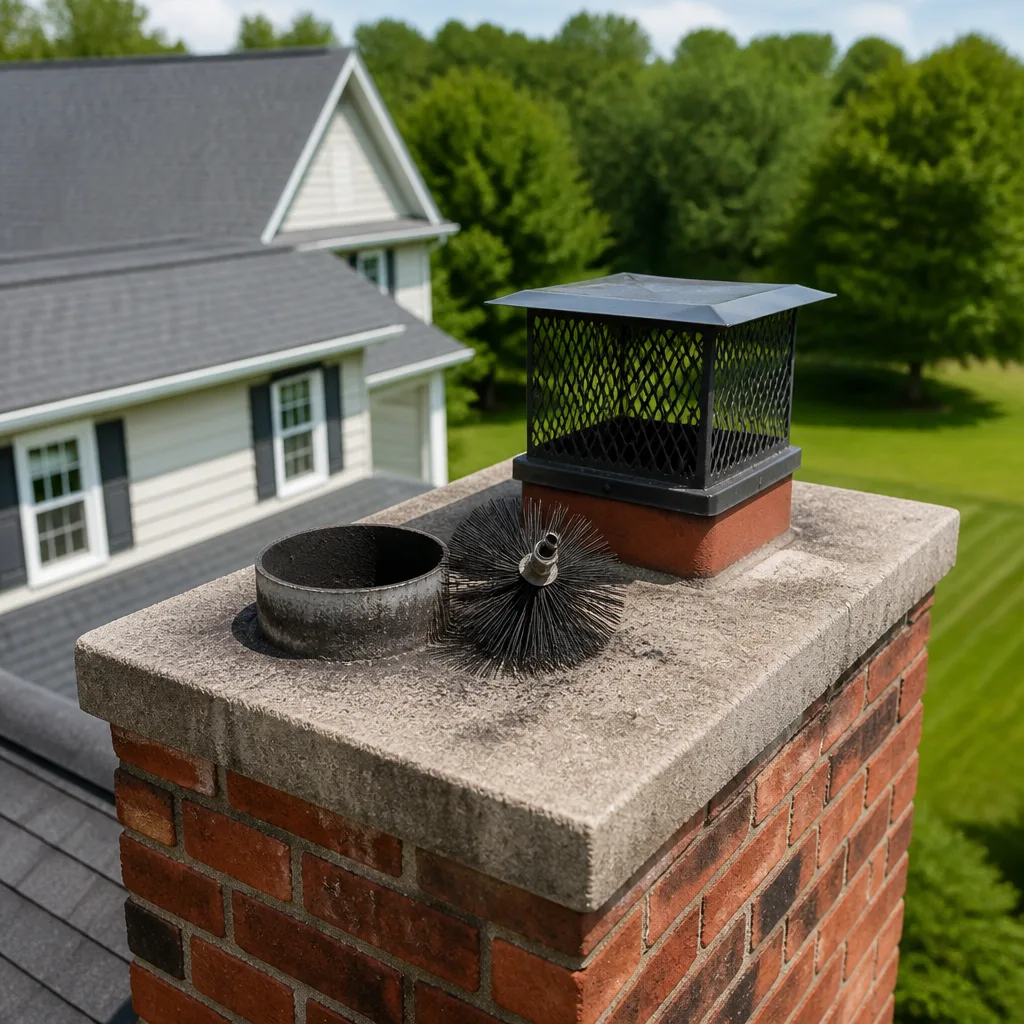 Sweep & inspection
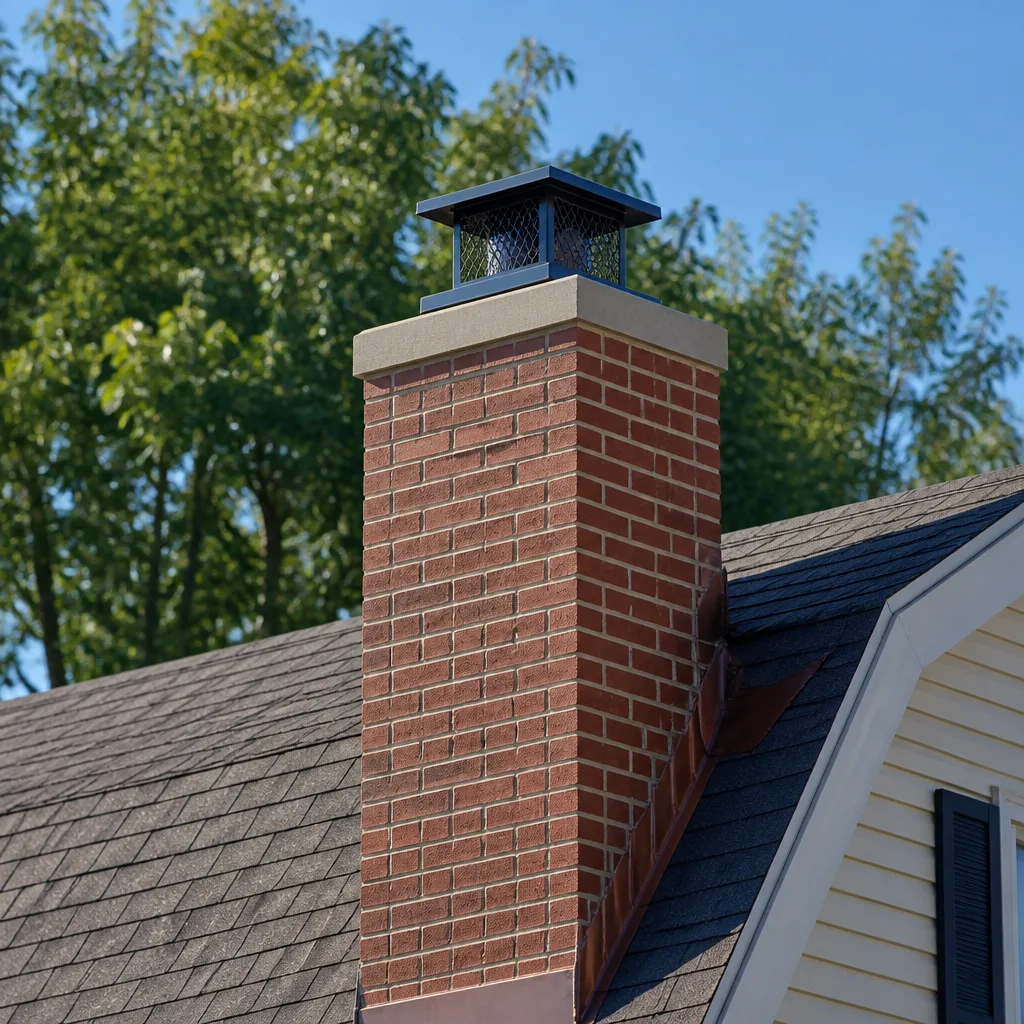 Caps & crowns
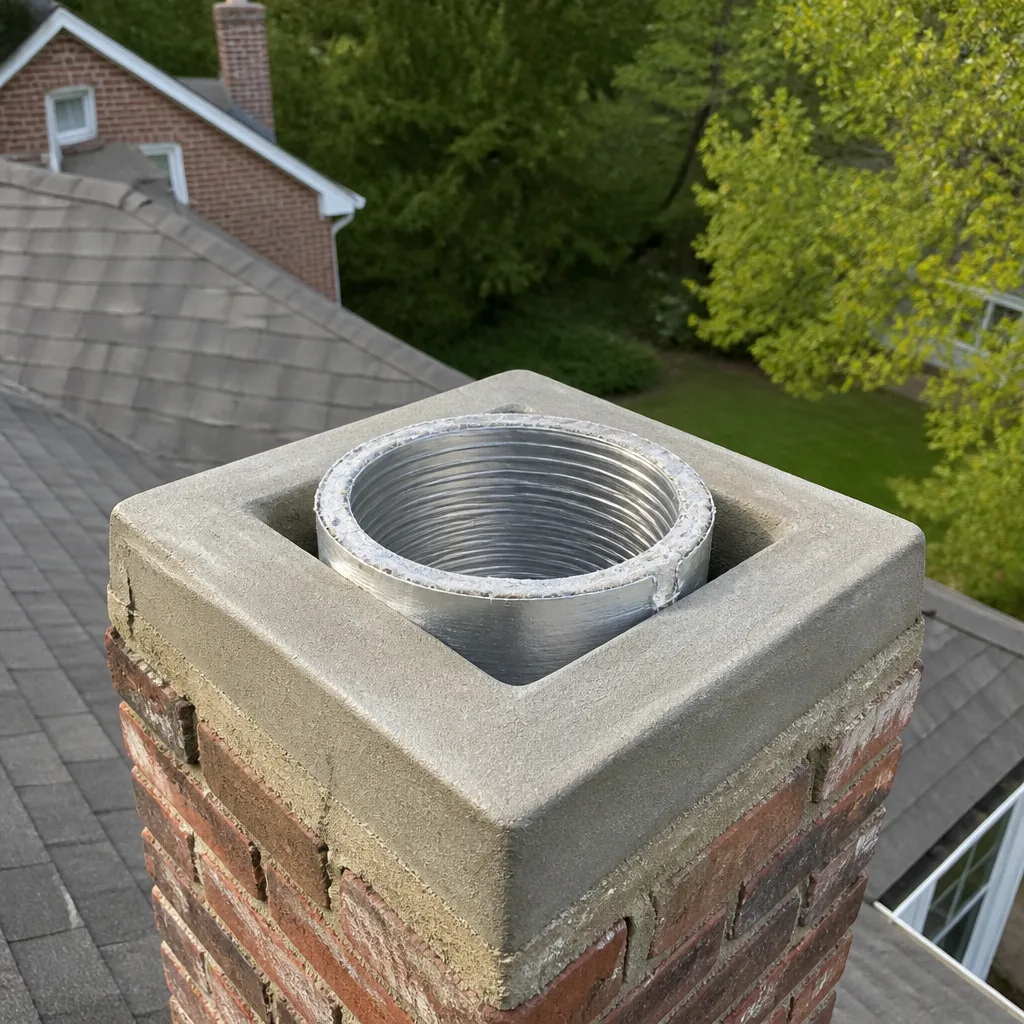 Flue relining
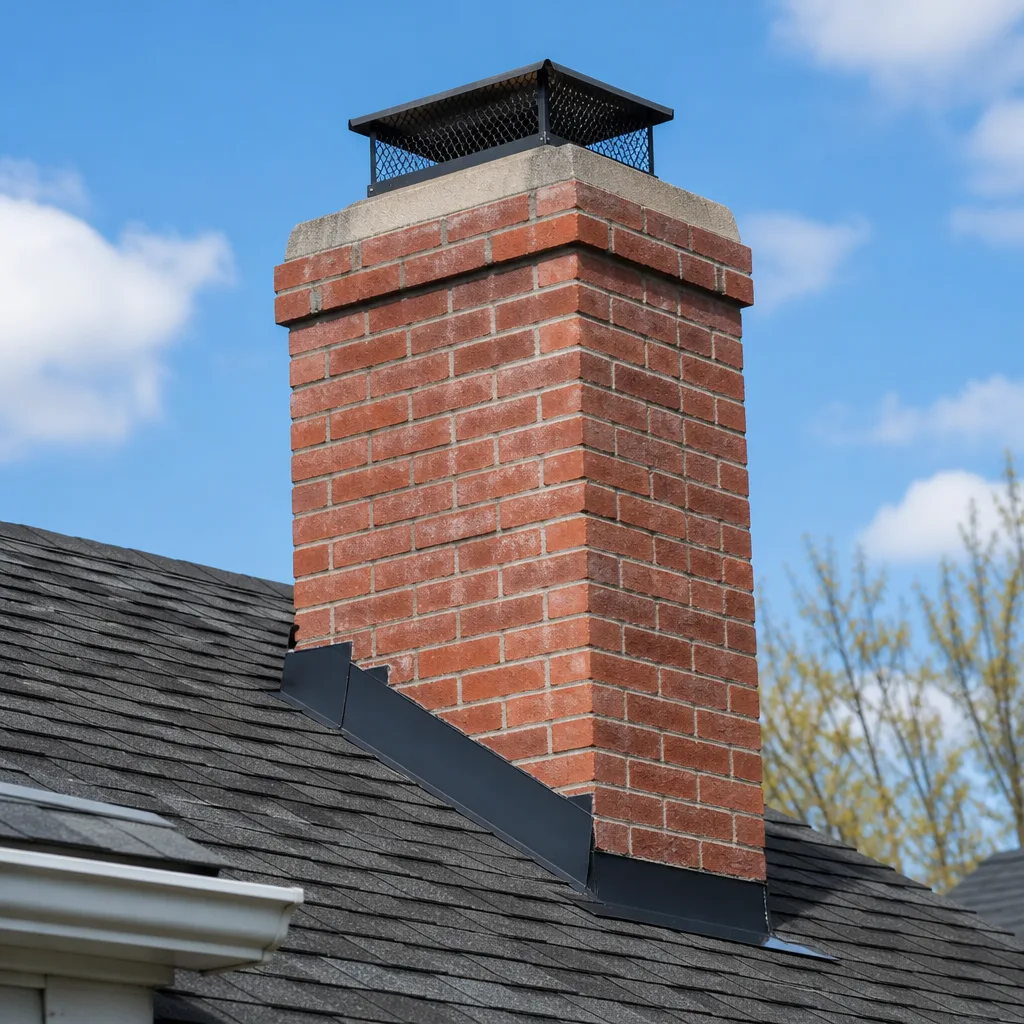 Masonry repair
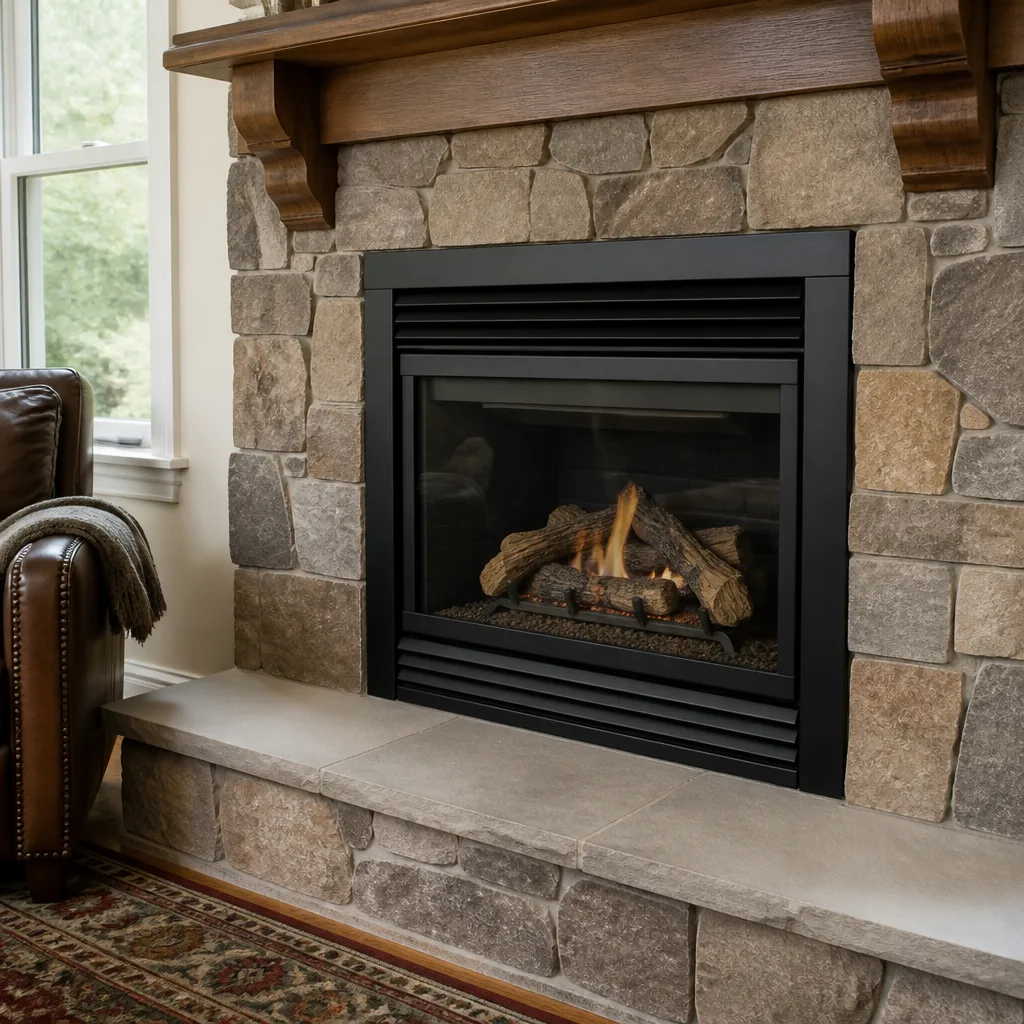 Gas fireplace service
Level 1 sweep and inspection to the NFPA 211 annual standard - flue, crown, cap, and flashing checked and photographed
Chimney sweep logs do not sweep chimneys. They loosen some creosote - which then falls where a brush and vacuum still have to collect it.
Seasonal Chimney Cleaning Care for Rancho Park: Year-Round Homeowner’s Guide
The most damaging thing that happens to a Rancho Park chimney happens in summer. Not during the six or eight weeks you actually burn fires, but in August, when the sun beats down on the crown and the Santa Anas push dry air through every gap. Thermal expansion cracks mortar. UV bakes sealant until it peels. Squirrels and starlings find the flue you haven’t looked at since March and build nests you won’t discover until smoke backs up into the living room on the first cold night of November. This guide explains what to do in each season, what’s actually urgent, and what can wait, written by people who work on Rancho Park chimneys every week. You’ll learn the specific tasks that matter at each point of the year, what a clean flue should cost per our Chimney Cleaning Cost Breakdown: The Rancho Park Homeowner’s Reference for 2026, and when a camera inspection is worth the money.
Styles & brands we work with
- Sweep & inspection
- Caps & crowns
- Flue relining
- Masonry repair
- Gas fireplace service
Quick Answer
For Rancho Park homeowners, chimney care splits into two realities: a short burn window from November through February, and eight months of dry heat, UV exposure, and Santa Ana wind that silently degrade the system. The essential seasonal routine is spring post-season inspection, summer cap and crown maintenance, fall cleaning and damper check before first fire, and winter draft monitoring during active use. One professional inspection per year, timed in early fall, catches most problems before they become structural.
Table of Contents
- Why Rancho Park’s Climate Is Harder on Chimneys Than Most Homeowners Realize
- Spring: The Post-Season Inspection Before Nesting Season
- Summer: Cap Integrity, Crown Sealing, and UV Damage
- Fall: The Inspection-Cleaning-Damper Sequence Before First Fire
- Winter: Draft Problems, Temperature Inversions, and Active Monitoring
- Santa Ana Wind Events: What to Check After Every Major Blow
- What Seasonal Chimney Care Costs in Rancho Park
- Common Mistakes to Avoid
- When to Call a Professional
- Frequently Asked Questions
- The Bottom Line
Why Rancho Park’s Climate Is Harder on Chimneys Than Most Homeowners Realize
Most chimney advice online is written for places with real winters. Snow load. Freeze-thaw cycles. Six months of continuous burning. None of that applies to Rancho Park. What we deal with instead is a different set of stresses, and they do their work when nobody is paying attention.
The first stressor is thermal cycling. Rancho Park sees summer temperature swings that can exceed 40 degrees between midday and night. The masonry and mortar on a chimney expand when the sun hits it and contract when it cools. Over years of this, hairline cracks form in the crown and the mortar joints. Water gets in through those cracks during the occasional rain, and when it evaporates, the minerals left behind slowly erode the bond. This happens without a single fire being lit.
The second stressor is particulate accumulation. Los Angeles air carries dust, pollen, and fine soot from the urban environment. Eight months of this air moving through a chimney flue, even without active fires, leaves a film on the liner. It’s not the heavy creosote of a wood-burning winter in Minnesota, but it’s sticky enough to trap moisture and accelerate corrosion on metal liners.
The third is nesting. Rancho Park’s mature trees and older homes make it prime territory for starlings, sparrows, and squirrels. These animals don’t care that you haven’t used the fireplace since February. To them, a warm flue with a missing or damaged cap is a protected cavity. By the time a homeowner notices, there can be a nest plug blocking airflow, spreading fleas or mites into the home, and creating a genuine fire hazard for the next burn season.
For all of these reasons, seasonal maintenance in Rancho Park is not about preparing for winter. It’s about managing what the dry season does to the system so the burn season works safely. The Chimney Sweep Rancho Park home page has more on how we approach this specifically for the neighborhood.
Spring: The Post-Season Inspection Before Nesting Season
March and April are the most important months for a chimney inspection in Rancho Park, because they set up the entire dry season. Once April turns to May, starlings are actively looking for nesting sites, and they will exploit any gap in a chimney cap within a matter of days. The sequence matters: inspect first, then decide if a cleaning is needed, then verify the cap and damper before closing up the system for summer.
- Schedule a camera inspection within 30 days of your last fire. A camera scope shows the flue liner from inside, which catches hairline cracks that a visual check from the roof cannot. In Rancho Park, spring is also the best time to spot early-stage moisture staining near the top of the flue, before it becomes visible from inside the house.
- Have the flue swept if there’s any measurable creosote or soot buildup. Even one cord of wood burned in a season can leave a coating that attracts and holds moisture all summer. A Chimney Sweep in Rancho Park inspection typically includes a visual check of the full flue, damper, and firebox, plus a report on liner condition.
- Check the chimney cap and the chase cover. The cap is the first line of defense against nesting. If the mesh has a bent section, a missing bolt, or any gap larger than a quarter, a starling can get through. A two-dollar fix in March prevents an animal extraction call in June.
- Close the damper properly. A lot of Rancho Park homes have older dampers that don’t fully seat. A drafty damper in summer means conditioned air escaping up the flue, higher utility bills, and a constant trickle of outside air pulling dust into the living space.
One thing to be clear about: spring is not the time for a deep chemical cleaning. Heavy glazed creosote removal is a fall job, done right before the burn season when the system will be used. Spring is about assessment, cap sealing, and preventive work while the weather is mild and animals haven’t moved in yet.
Summer: Cap Integrity, Crown Sealing, and UV Damage
Rancho Park summers are long, dry, and surprisingly hard on chimney masonry. The crown, which is the concrete slab that seals the top of the chimney, is the most UV-exposed part of the entire system. Over a single summer, the sealant on a crown can crack badly enough that the next rainstorm infiltrates the masonry.
The summer task list is short but specific.
- Inspect the crown for hairline cracks. A cracked crown lets water seep into the chimney chase, where it accelerates liner rust and weakens mortar. This is the single most common summer defect we see in Rancho Park homes. A good crown seal installed now prevents the much more expensive liner replacement later.
- Check the cap mesh for rust-through. The galvanized mesh on most budget caps fails after three to five years in coastal-adjacent air. Once the mesh rusts through, the cap is just a lid, not an animal barrier. We work with Copperfield and Olympia Chimney replacement caps because their stainless mesh holds up to Southern California air far longer than the cheap stamped versions. The difference in material cost is small. The difference in lifespan is years.
- Look for spalling on the exterior brick. Spalling is the flaking or crumbling of brick faces caused by moisture expansion. It starts small, but summer heat accelerates it. If you see brick dust on the roof or small chips in the gutter, that’s spalling, and it means water has already penetrated the masonry at some point.
- Verify the damper still seats correctly. A damper that sticks open slightly allows a constant draft up the flue. In summer, that means warm outside air pulling through the house, which raises cooling costs. It also means more particulate accumulation inside the flue.
We do not recommend homeowners climb onto their roofs to inspect anything. A steep pitch, hot tiles, and one misstep are not worth it. A professional inspection with a camera and moisture meter costs less than an emergency room visit, and it gives you a documented record of the system’s condition. Chimney Repair in Rancho Park covers crown repair, cap replacement, and masonry sealing as part of a standard service call.
Fall: The Inspection-Cleaning-Damper Sequence Before First Fire
Early October is the right time for fall chimney work in Rancho Park. Not late September, when temperatures are still in the 90s and the first Santa Ana event hasn’t arrived. Not mid-November, when the sweet gum leaves have clogged every cap in the neighborhood and every chimney company is booked. The sweet spot is the first two weeks of October.
The sequence matters, and it should follow this order:
- Inspection first. No cleaning should happen without a camera inspection, because a sweep can hide a liner crack under a fresh layer of removed soot. If there’s a structural issue, it needs to be found before the cleaning, not after the fire season starts. In our experience, about one in five Rancho Park homes we inspect in October has a liner issue that the homeowner did not know about.
- Cleaning second. A standard sweep removes creosote, soot, and any debris from the flue, smoke shelf, and firebox. For wood-burning fireplaces, the National Fire Protection Association recommends cleaning when creosote buildup reaches 1/8 inch. For Rancho Park’s light seasonal use, one sweep per year is usually sufficient, but two per year is reasonable for heavier burners.
- Damper check third. After the cleaning, the damper should be tested for smooth operation and a complete seal. A damper that doesn’t seat properly means cold air and smoke drafting back in when the fire dies down. This is also the time to check the firebox bricks for loose or missing firebrick, which can expose the home’s framing to heat.
- First fire test. After the chimney is swept and the damper verified, light a small test fire. Watch the draft. Smoke should pull up the flue within a minute. If it curls into the room, there’s a draft problem, and it needs to be addressed before the first real burn.
One honest note: a sweep is not a repair, and it cannot fix a failing liner. If the camera inspection shows a crack, a sweeping alone will not make the system safe. That’s when a liner discussion needs to happen. We install DuraFlex liner systems because they’re engineered for the thermal cycling we see in Rancho Park homes, and because a properly sized liner directly improves draft efficiency. The right liner for the job is not a generic part, it’s a specific product matched to the flue dimensions and the appliance.
Winter: Draft Problems, Temperature Inversions, and Active Monitoring
Rancho Park’s burn season runs roughly November through February, but it’s inconsistent. Some winters see 30 days of fires. Others see 10. The inconsistency creates a specific problem: homeowners don’t develop a routine for monitoring the system because they’re not using it enough to notice when something is wrong.
The number one winter complaint we hear in Rancho Park is poor draft on cold mornings. The cause is usually a temperature inversion, which is common in the LA basin from November through January. Cold air sits low in the neighborhood, warm air sits above it, and the chimney can’t establish the thermal column it needs to draw smoke upward. A cold flue needs more warm air to start drafting, and in an inversion, that warm air is just not available.
What to monitor during active use:
- Smoke entering the room on cold starts. This is a draft problem, not a cleaning problem. It’s most common in homes on the downslope side of Rancho Park where cold air pools in the morning. A longer pre-heat with a lit newspaper roll can help establish draft, but persistent smoke-back means something structural is off.
- A heavy, acrid smell after the fire dies. This is often creosote off-gassing, and it happens when the flue cools and the creosote deposits release odor. It can also signal a drafting reversal, where outside air pushes down the flue instead of up. If you smell this in the morning after a fire, get the flue checked.
- Visible soot streaks above the fireplace opening. This indicates a draft problem, not a cosmetic issue. Soot stains on the face of the fireplace mean the flue is not pulling properly, and that means combustion gases are lingering in the living space. This is a carbon monoxide exposure risk and should be treated seriously.
- Condensation on the inside of the flue. Not visible to the homeowner, but a camera inspection in winter will show it. Condensation means the flue is not reaching operating temperature, which accelerates creosote buildup and liner corrosion. If a winter inspection shows interior moisture, the flue size may be wrong for the appliance.
Gas fireplace maintenance is a separate category. Gas logs produce less creosote but more acid-rich condensation, which eats at metal flues faster than wood smoke. If you have a gas log set, you still need an annual inspection, but the concern is liner corrosion, not creosote. A lot of Rancho Park homeowners assume gas means no maintenance, and that’s how small leaks turn into carbon monoxide incidents.
Santa Ana Wind Events: What to Check After Every Major Blow
The Santa Ana winds are a seasonal fact of life in Rancho Park. They’re not just a fire danger for the hillsides. They exert real mechanical stress on chimney systems, particularly the cap, the crown, and the exposed flue pipe above the roof line.
A sustained Santa Ana event can hit 40 to 60 mph gusts in Rancho Park’s more exposed streets. Those gusts do three things to a chimney:
- Lift and loosen caps. A cap attached with two or four screws can work loose over a single season of repeated gusts. Once a cap is loose, it bangs against the flue in every wind event, wearing both the cap and the flue collar. We inspect cap fasteners after every major Santa Ana in homes where the flue is tall and exposed.
- Strip sealant from the crown. Wind-driven dust acts like a sandblaster, accelerating the erosion of the crown’s waterproof seal. After a big blow, the crown can look sanded, with the seal material visibly thinned. This is a simple re-seal job if caught early.
- Push debris into the flue through any cap gap. Palm fronds, eucalyptus bark, and roofing granules all end up inside flues after wind events. If there’s any gap in the cap mesh, the wind will find it and fill the flue with whatever is loose in the neighborhood. A flue full of dry debris is a first-fire hazard.
After a major Santa Ana event, do a ground-level visual check of the chimney top. Look for a tilted cap, missing mesh, or any visible gap where the flue meets the cap. If anything looks off, call for a roof-level inspection. Don’t wait until the fall. A damaged cap exposed through spring and summer means animals get in, debris accumulates, and the problem compounds itself.
What Seasonal Chimney Care Costs in Rancho Park
Homeowners always ask about cost, and fair enough. Seasonal chimney care in Rancho Park is not the big expense; the repairs that result from skipping it are. Here’s what to expect as of 2026, based on the rates we see in this market.
| Service | Typical Range in Rancho Park | When It’s Needed |
|---|---|---|
| Standard chimney sweep (inspection + cleaning) | $180 – $340 | Annually, before burn season |
| Camera inspection only | $100 – $175 | After wind events, before buying a home, after an animal intrusion |
| Chimney cap replacement (parts + install) | $220 – $450 | When mesh is rusted, cap is loose, or animals are getting in |
| Crown sealing / minor crown repair | $300 – $700 | When cracks are visible or water staining appears |
| Liner repair (HeatShield resurfacing, per section) | $800 – $2,500 | When camera shows cracks or gaps in existing liner |
| Full liner replacement with DuraFlex system | $3,500 – $7,500 | When liner is collapsed, severely cracked, or wrong size for appliance |
These ranges reflect Rancho Park’s older housing stock, where chimneys are frequently 50 to 60 years old, and where access can be complicated by second-story roofs and mature trees. A straight, single-story flue with a good cap will land at the low end. A two-story flue with a failing crown and an existing liner will not.
We write these numbers out because too many contractors make homeowners call before giving any price. A flat quote on a sweep is something you should be able to get over the phone. The inspection findings, not the sales pressure, should drive any repair recommendation. If a contractor tells you that a liner must be replaced but will not show you the camera footage, get a second opinion. In our experience, a legitimate liner diagnosis is always visible on a camera scope, and we walk every client through their own footage so they can see the problem with their own eyes.
Common Mistakes to Avoid
- Waiting until November to schedule a cleaning. By mid-November, every chimney company in Los Angeles is booked. If you schedule in late October, you’ll get a better slot, better attention, and a more thorough job than the rushed late-season call. Rancho Park homes with mature trees also benefit from an early fall cleaning before leaf litter clogs caps.
- Assuming a gas fireplace doesn’t need maintenance. Gas logs produce acid condensation that corrodes metal flues faster than wood creosote. We see more liner damage in gas-only chimneys in Rancho Park than in wood-burning ones, specifically because homeowners don’t think to call until there’s a problem.
- Ignoring a loose or rattling chimney cap. A cap that bangs in the wind is not a cosmetic issue. Every gust is wearing the flue collar and opening a gap for animals. The fix is usually under $300. The alternative, animal removal plus flue cleaning plus cap replacement, is not.
- Replacing a liner based on visual inspection alone. A liner can look fine from the top and have a hairline crack mid-flue that you can’t see without a camera. Insist on a camera scope before agreeing to a liner replacement. If a company wants to quote a liner without showing you the scope, that’s a red flag.
- Burning unseasoned wood. “Seasoned” means the wood was cut and split at least 12 months before burning. Wet wood produces more creosote per fire than a whole season of dry wood. In Rancho Park, where the burn season is short, every fire with wet wood is doing disproportionate damage.
- Skimping on cap quality. The cheap caps from the home center last about three years in coastal-adjacent air before the mesh rusts through. We stock Galco, Famco, and Copperfield caps because the stainless mesh holds up to Southern California conditions and the difference is measured in years, not dollars.
When to Call a Professional
Call a professional if you see water staining on the ceiling near the fireplace, if you smell smoke in the house after a fire has died down, if animals have entered the flue, if the cap is loose or missing, or if a camera inspection shows any crack, gap, or spalling on the liner or masonry. These are not do-it-yourself situations. A chimney failure is a fire and carbon monoxide risk, not a cosmetic one. Dryer Vent Cleaning in Rancho Park is a related service we recommend annually, since lint accumulation is the leading cause of dryer fires and follows the same seasonal logic: cheap prevention, expensive neglect. Chimney Sweep Rancho Park offers free estimates in Rancho Park. Call (877) 326-6276 to schedule an inspection, a cleaning, or a repair evaluation.
Frequently Asked Questions
Once per year is enough for most Rancho Park homes, given the short burn season. Schedule the cleaning in early October, before the first fire. If you burn more than two cords of wood per season or use the fireplace more than three nights a week in winter, a second cleaning in January is worth considering. Chimney sweeping is cheap insurance relative to liner repair.
A standard chimney sweep in Rancho Park runs $180 to $340 depending on flue height, roof access, and whether animals have been present. A camera inspection adds $100 to $175. Call (877) 326-6276 for an exact quote on your home, estimates are free.
You need a new liner if the camera shows cracks, gaps, spalling, or a separation at the flue joints. If the contractor won’t show you the camera footage, do not agree to the work. A legitimate liner diagnosis is always visible. We walk every client through their own scope video and point out exactly where the failure is, because an informed homeowner makes a better decision.
Creosote builds up in the flue, which increases the risk of a chimney fire. Dust and debris accumulate, which attracts moisture and accelerates liner corrosion. Small crown cracks widen, water gets in, and within two to three years you’re looking at a crown repair plus a liner issue that could have been prevented for the cost of a sweep and a seal.
We don’t recommend DIY chimney cleaning because it requires roof access, specialized brushes sized to the flue, and most importantly, a camera to verify that the cleaning actually worked. You can’t see mid-flue deposits from the top or bottom without a scope. A professional sweep comes with documented proof of the flue condition, and that documentation matters for insurance if a fire occurs.
No. A sweep removes buildup. A repair fixes structural problems like cracked liners, failed crowns, or damaged caps. The two are often bundled in one visit, but they are distinct services. We do both, and the scope of work is always determined by the inspection, not by a package price. That way you’re not paying for a repair you don’t need.
The Bottom Line
Rancho Park chimneys fail from neglect in summer more than from use in winter. The year-round care calendar is simple: inspect in spring before nesting season, maintain the cap and crown through summer, sweep and check the damper in early fall, and monitor draft through the winter months. One professional inspection per year, with a camera scope, is enough to catch most problems before they become structural. The equipment you buy, the liner you install, and the cap you replace all matter more than the brand name on the truck, and local Chimney Cleaning Permits, Codes & Inspections in CA: What You Need to Know should inform any major work. We work with DuraFlex, HeatShield, Copperfield, Olympia Chimney, Gelco, and Famco because these are specification-grade parts designed for this trade, not generic hardware store substitutes. Chimney sweep, repair, and dryer vent work under one roof means the whole combustion-exhaust system gets checked in one visit. For Rancho Park homeowners, that’s the practical difference between a chimney that works for decades and one that needs a rebuild at year fifteen.
Written by the team at Chimney Sweep Rancho Park, serving Rancho Park since 2011.
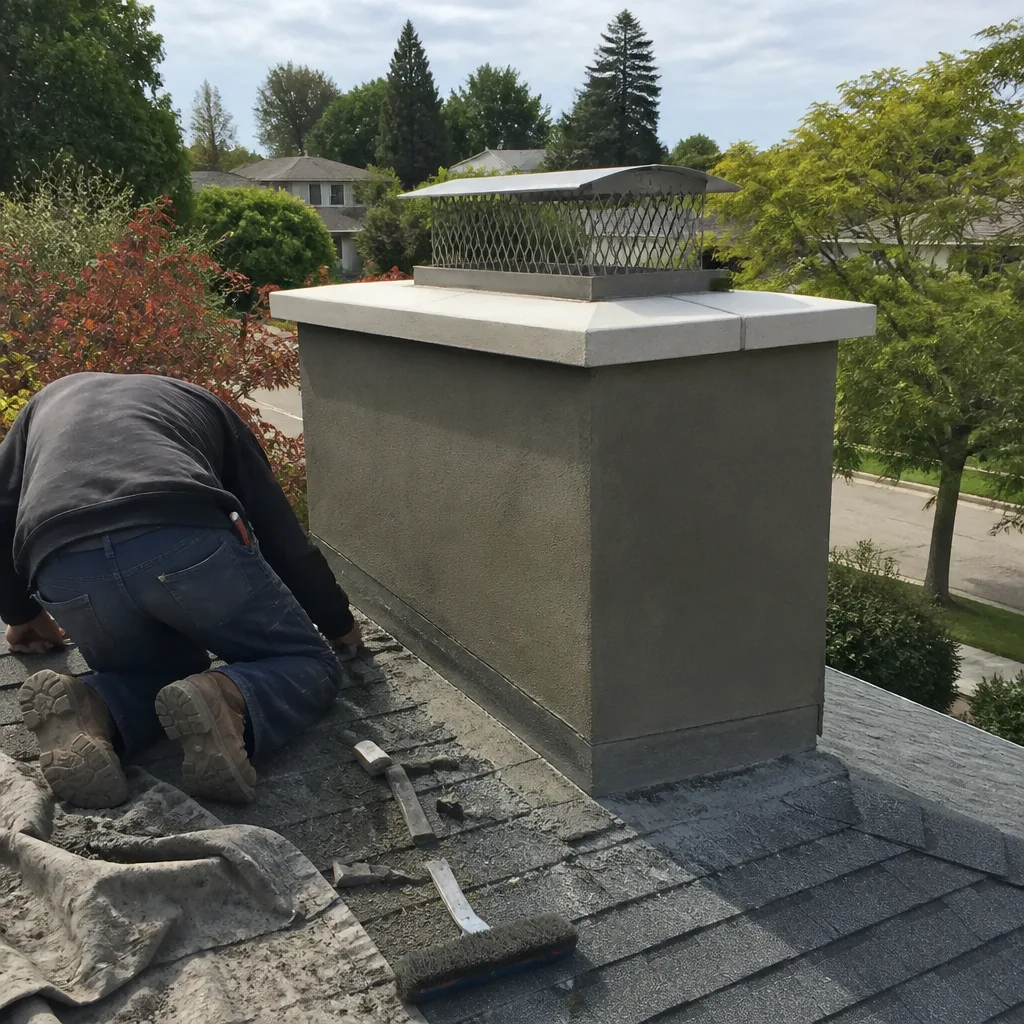
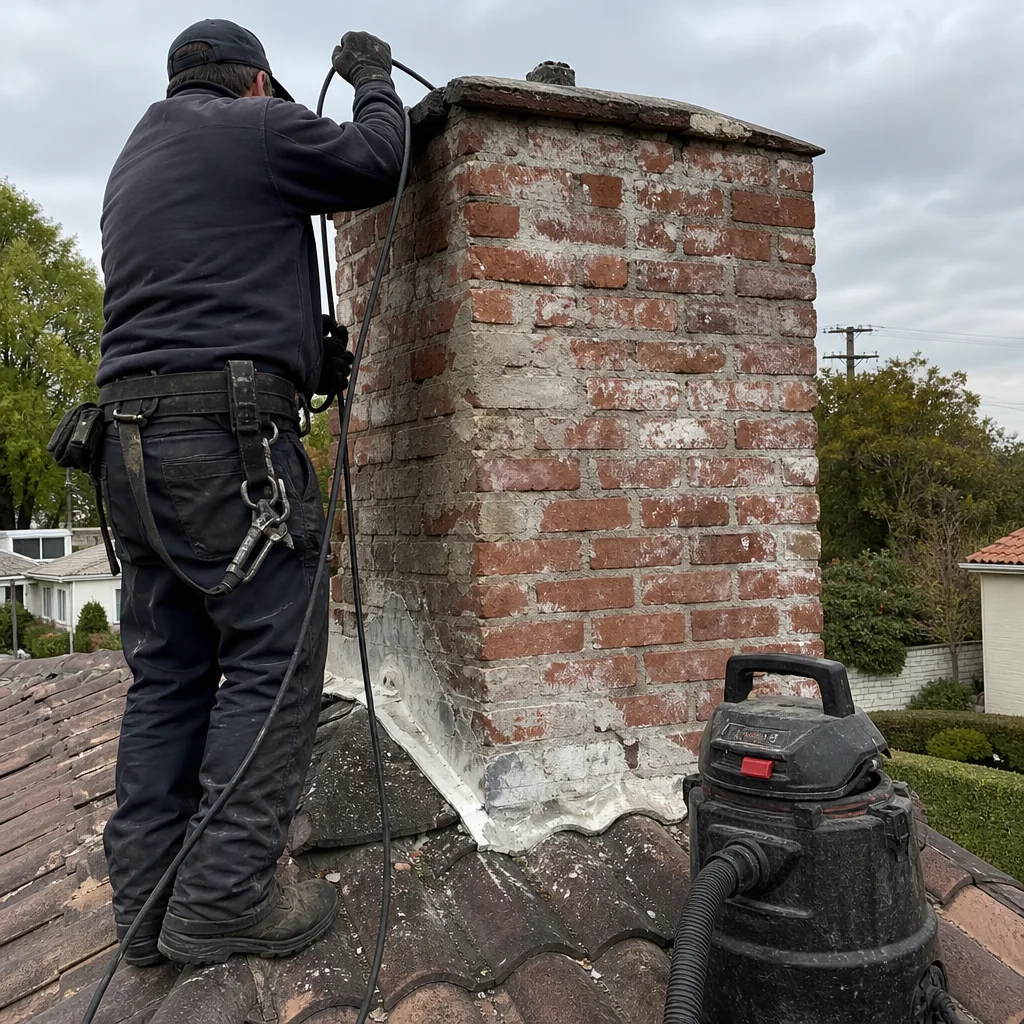
See the difference
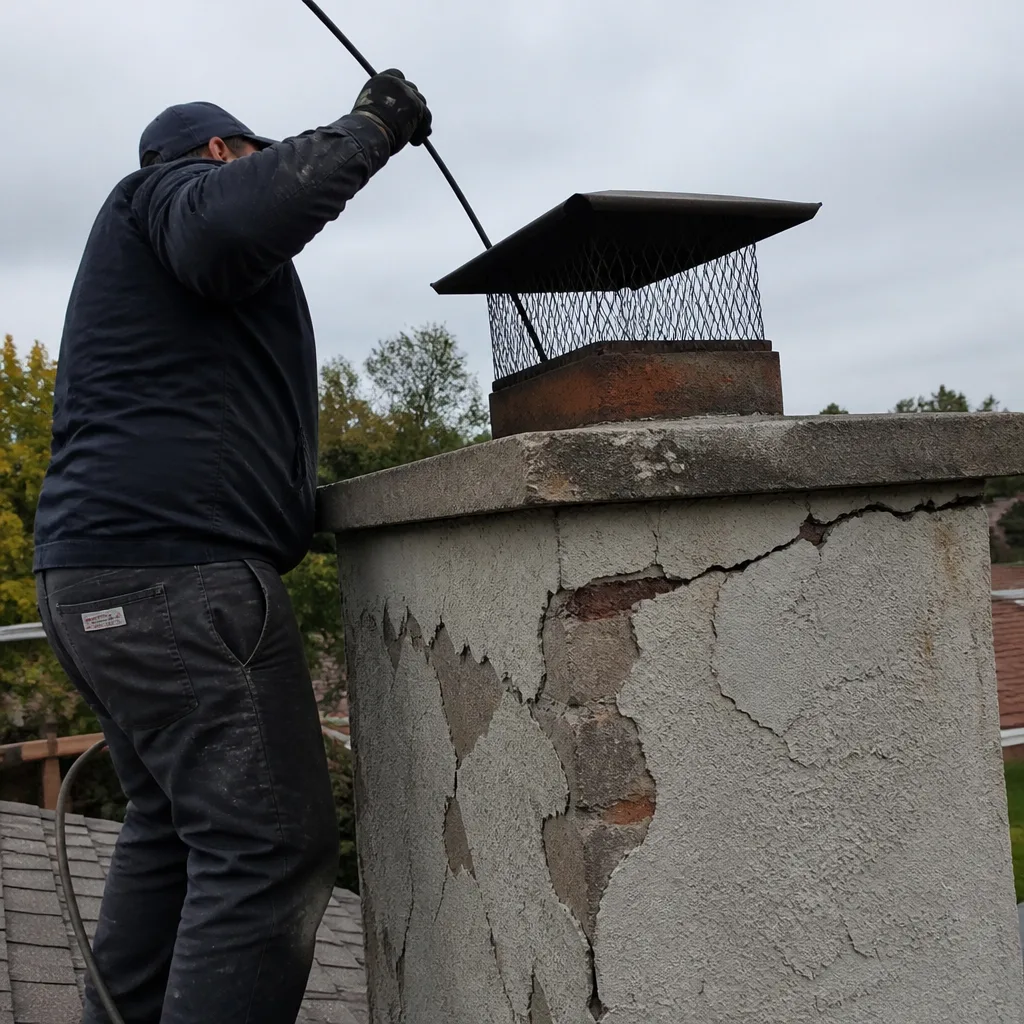 Before
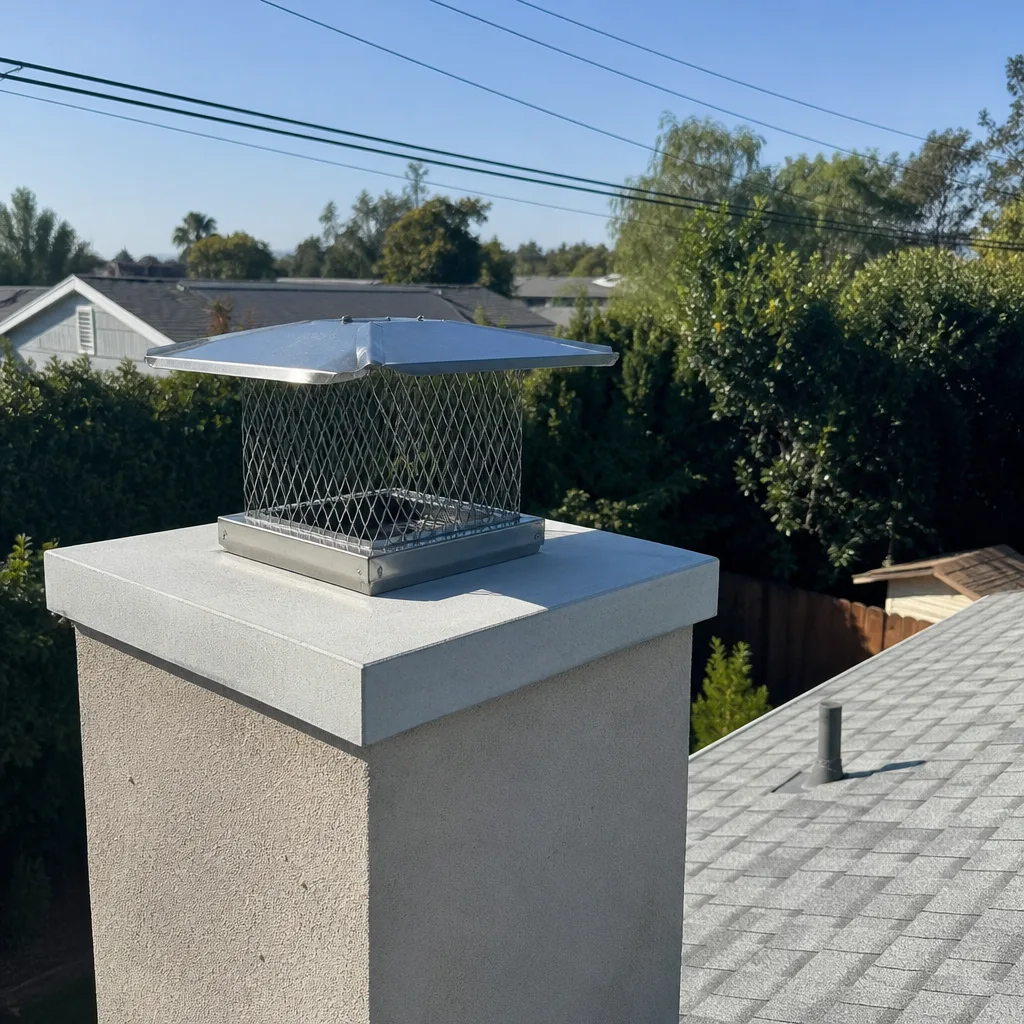 After
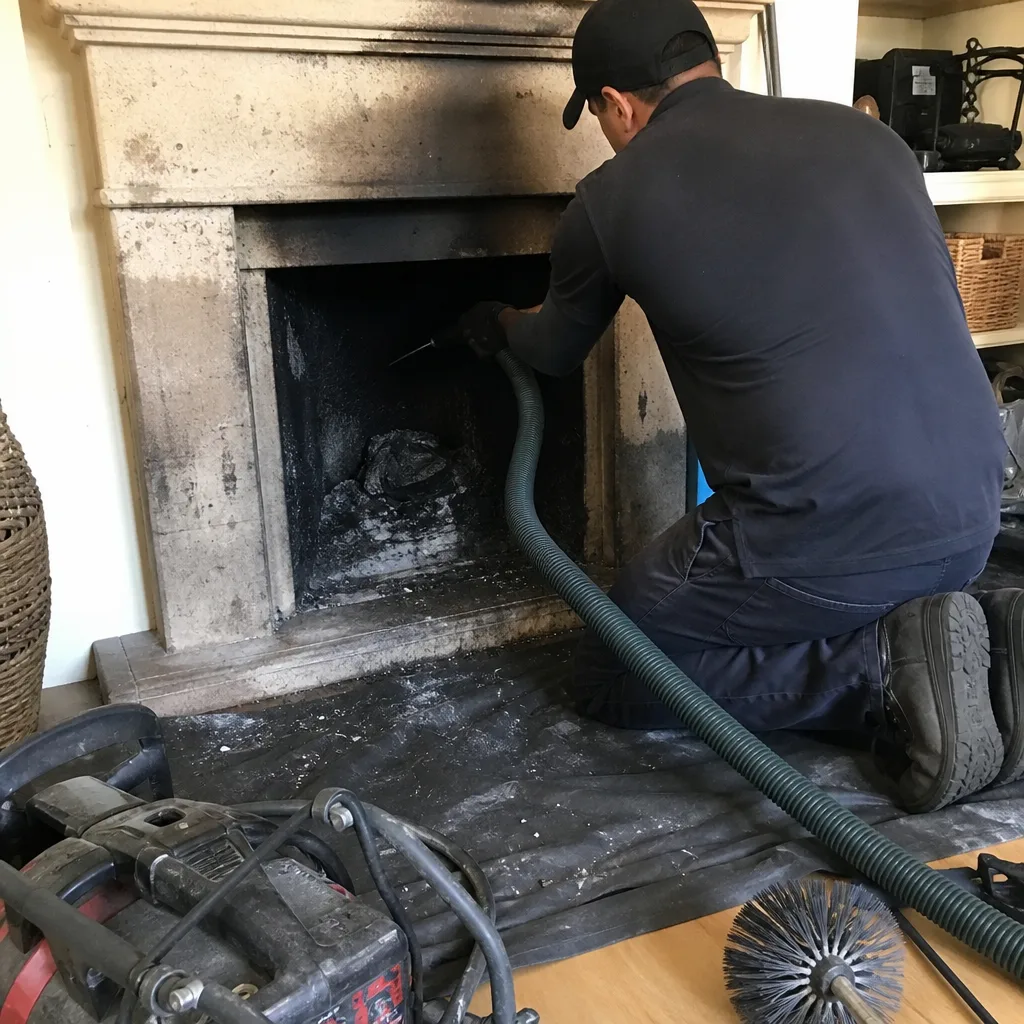 Before
 After
 Before
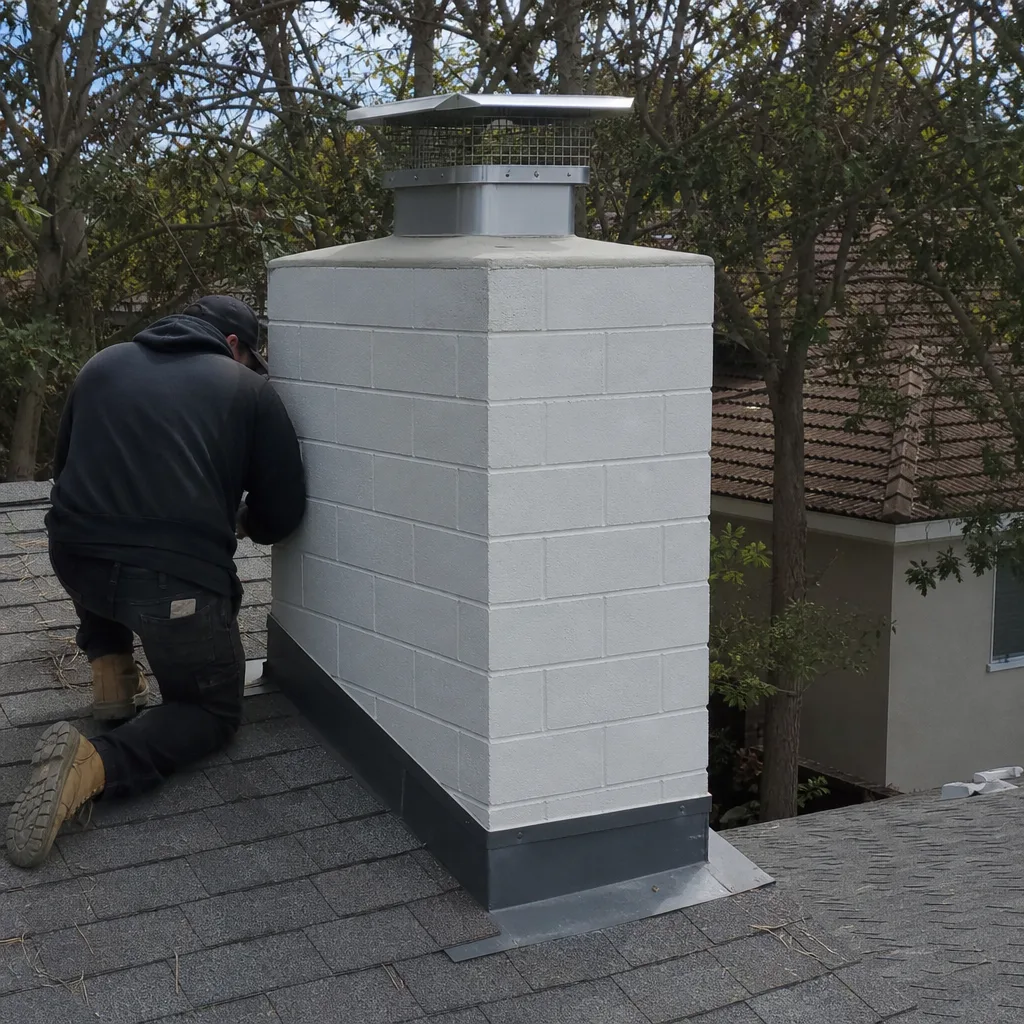 After