Last updated November 2, 2026
 Sweep & inspection
 Caps & crowns
 Flue relining
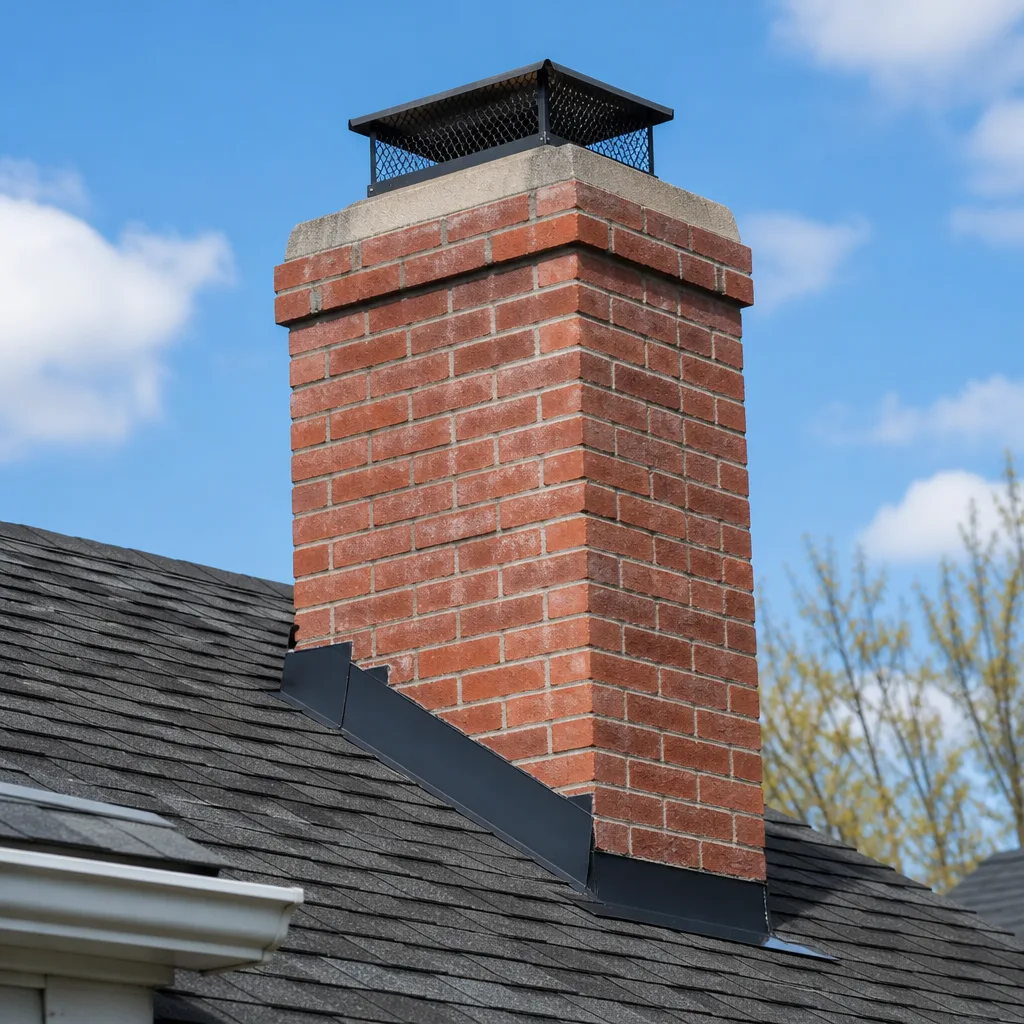 Masonry repair
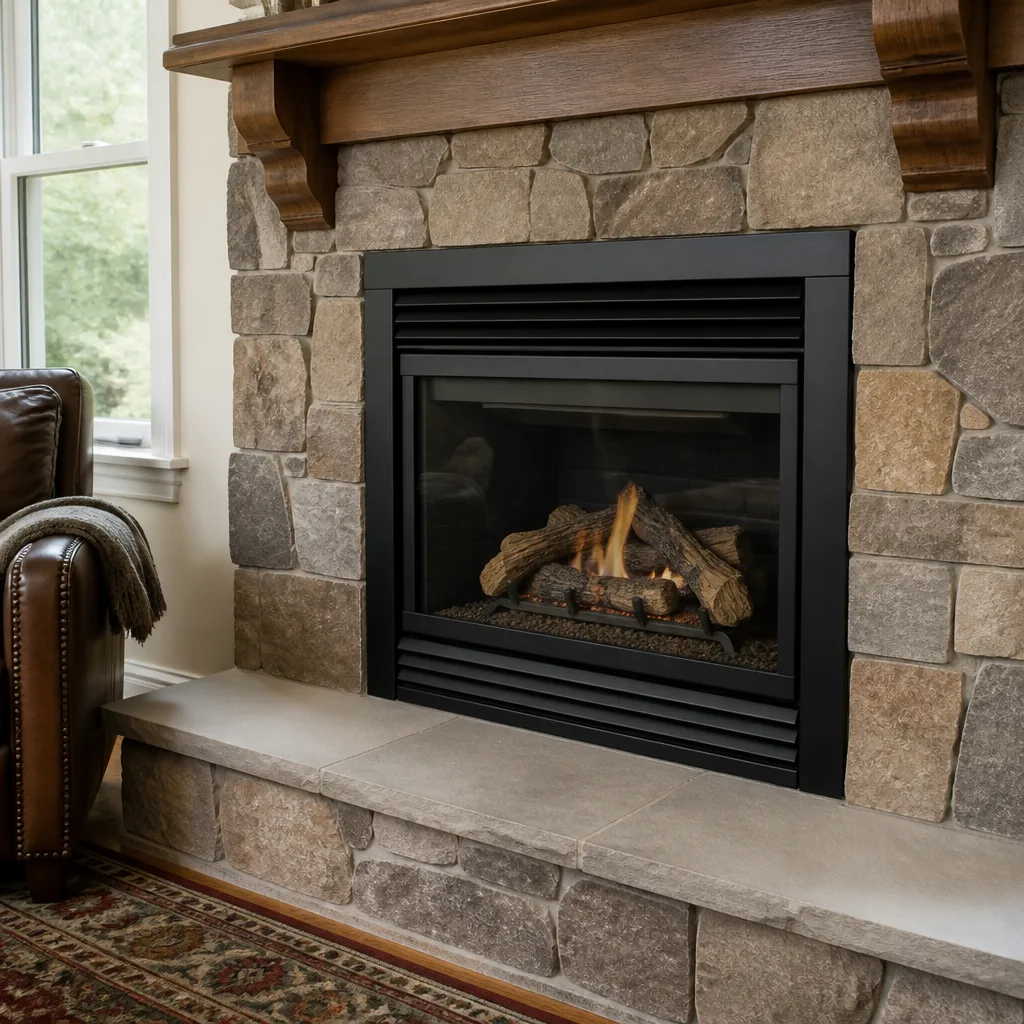 Gas fireplace service
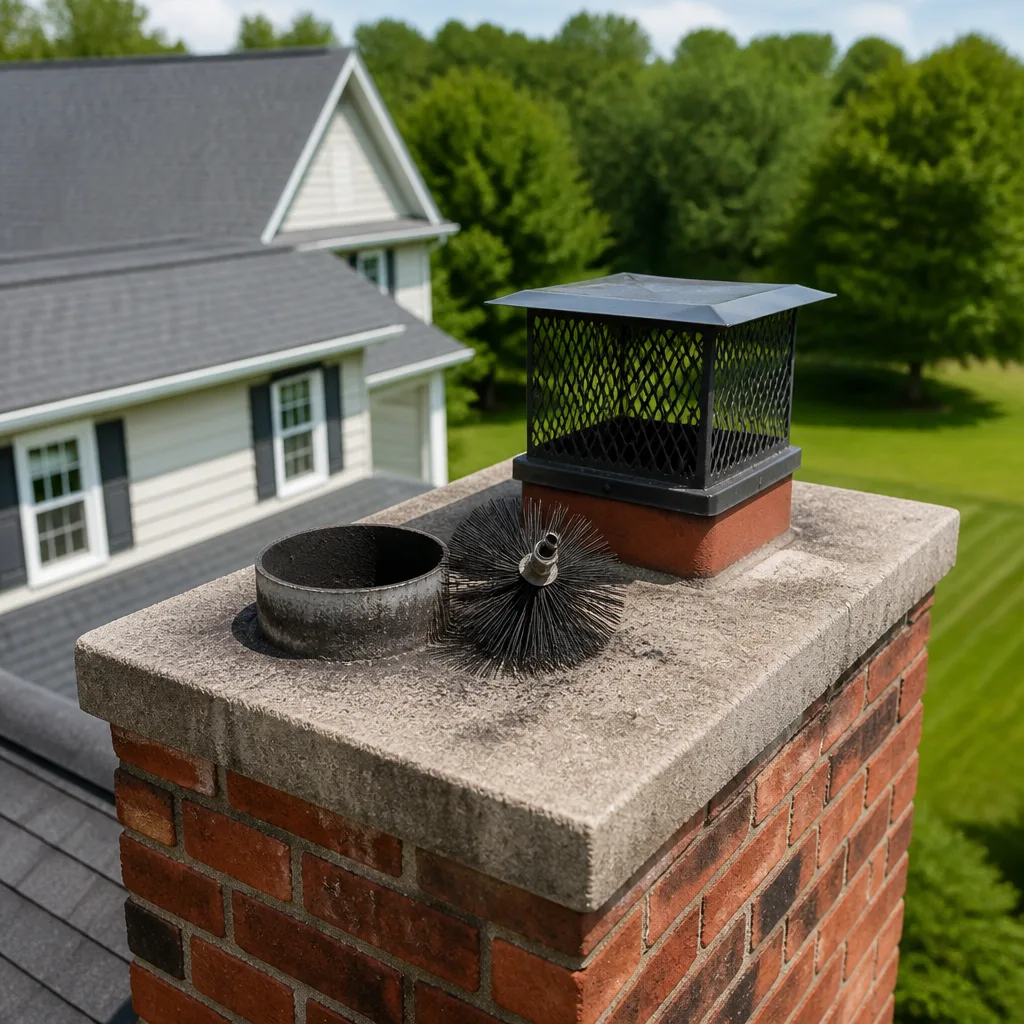
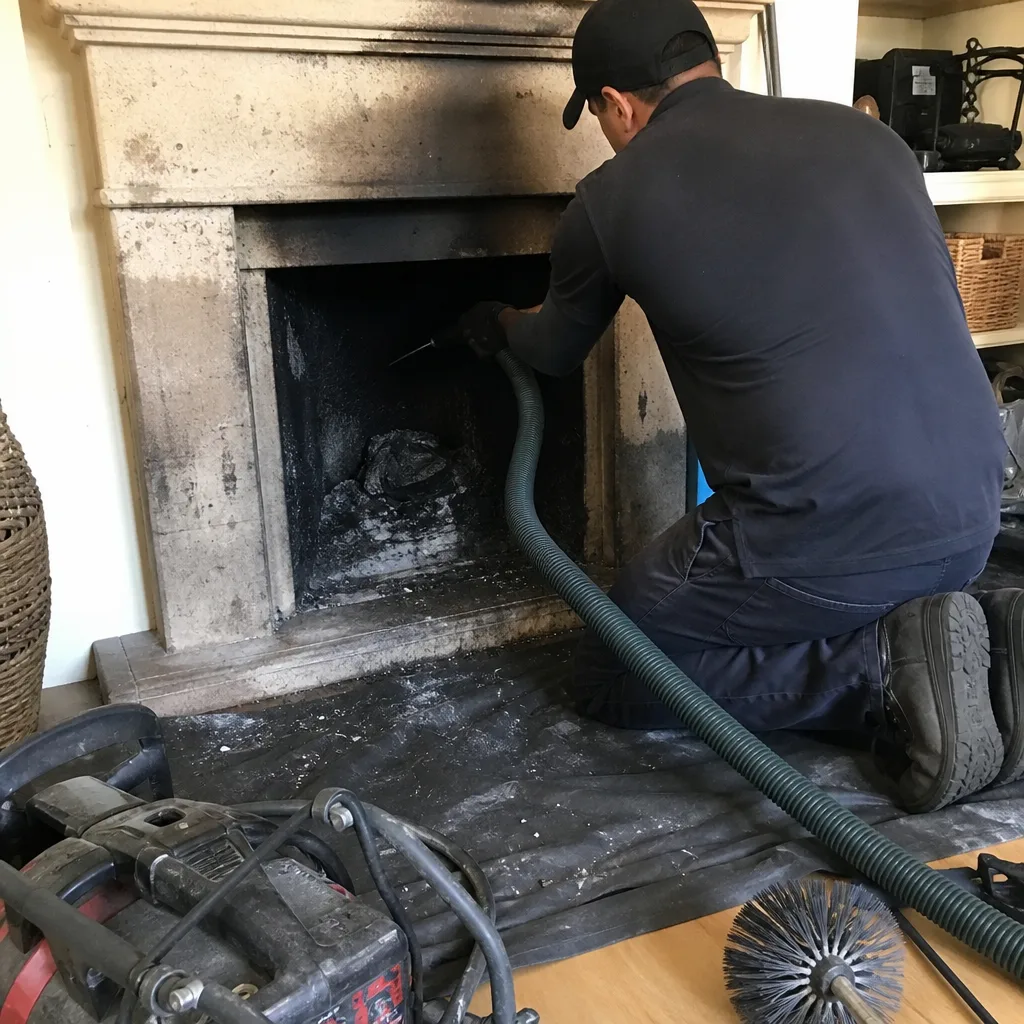
Level 1 sweep and inspection to the NFPA 211 annual standard - flue, crown, cap, and flashing checked and photographed
Chimney sweep logs do not sweep chimneys. They loosen some creosote - which then falls where a brush and vacuum still have to collect it.
How to Hire a Chimney Cleaning Contractor in Rancho Park: A Step-by-Step Guide
A chimney sweep brush and a shop vac are all it takes to look like a professional. That’s the uncomfortable truth about this trade. The credential gap between a trained CSIA-certified technician and a handyman with YouTube training is invisible until something goes wrong – a chimney fire, a carbon monoxide leak, or a failed inspection that costs thousands to correct. This guide gives Rancho Park homeowners the specific questions and credential checks that separate genuine chimney specialists from people who can make a flue look clean without actually making it safe, and points you to more guides & resources for ongoing home maintenance. You’ll learn what to verify before booking, which five questions expose a sweep-and-leave operator, and how to evaluate the material knowledge that separates a specification-grade contractor from a low-bid generalist.
Styles & brands we work with
- Sweep & inspection
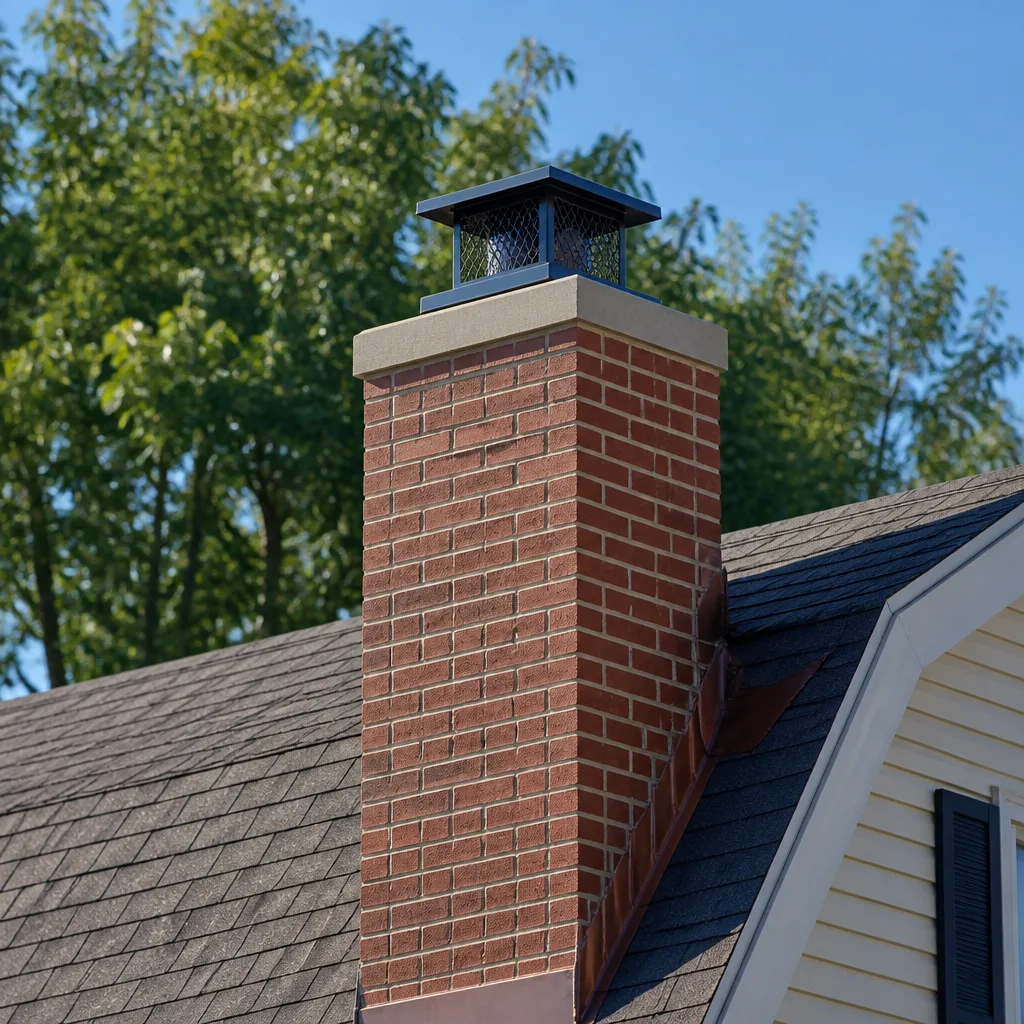
- Caps & crowns
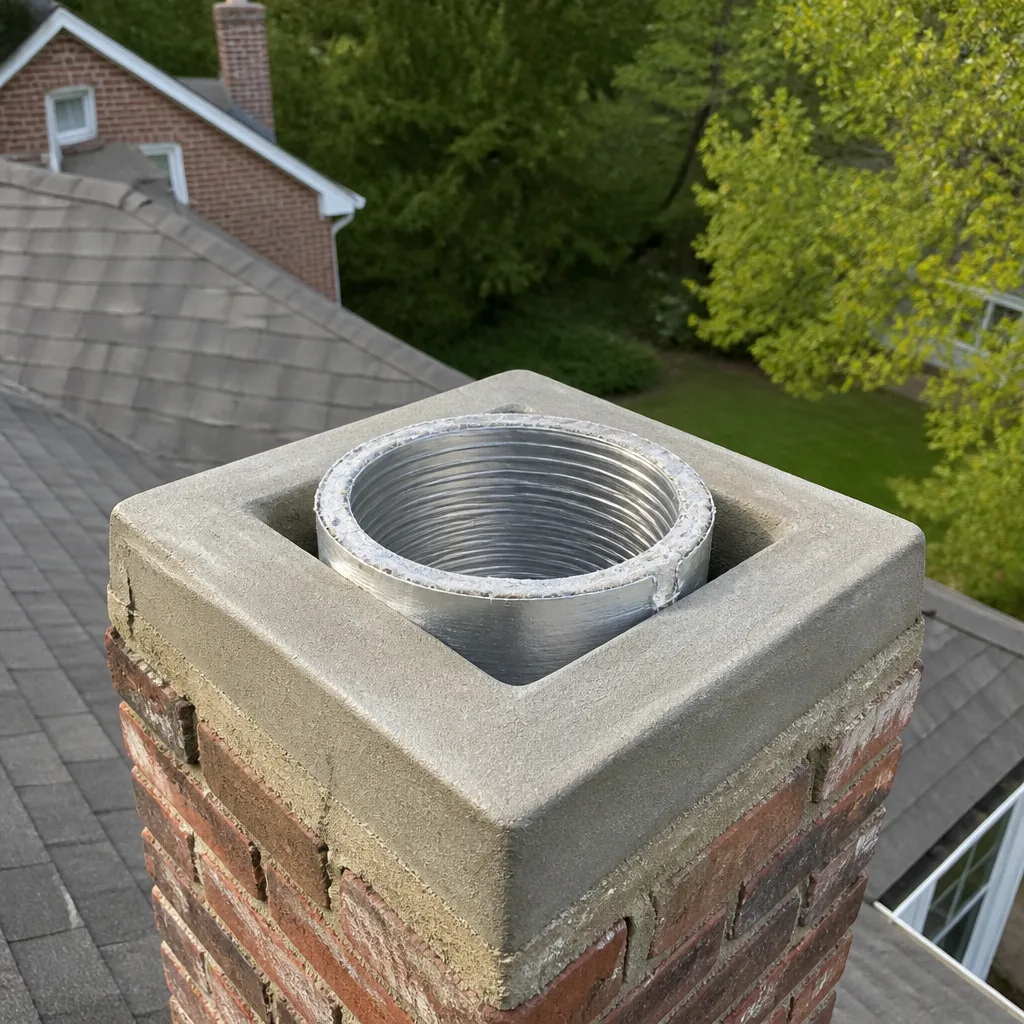
- Flue relining
- Masonry repair
- Gas fireplace service
Quick Answer
To hire a chimney cleaning contractor in Rancho Park, verify CSIA certification on the CSIA website, check the contractor’s license status on the California CSLB database, and ask five specific questions before booking: whether they perform a camera inspection, whether you receive a written report, what materials they stock for repairs, how they price the sweep, and whether they’ll tell you when work can safely wait. A qualified chimney specialist stocks professional product lines like DuraFlex and HeatShield, provides photo or video evidence of every recommendation, and never pressures you into same-day decisions. Expect to pay between $189 and $350 for a standard sweep and inspection in the Rancho Park area, with legitimate add-ons like liner repair priced separately with documentation; see our Chimney Cleaning Cost Breakdown: The Rancho Park Homeowner’s Reference for 2026 for full pricing details.
Table of Contents
- What CSIA Certification Actually Means (And How to Verify It)
- California Contractor Licensing for Chimney Work: What Rancho Park Homeowners Must Check
- The Five Questions That Separate Chimney Specialists from Sweep-and-Leave Operators
- Red Flags Specific to Low-Bid Chimney Sweeps
- Why Material Knowledge Matters: DuraFlex, HeatShield, and the Specification-Grade Difference
- What Chimney Cleaning Actually Costs in Rancho Park
- What a Legitimate Chimney Inspection Includes
- After the Sweep: Reports, Recommendations, and Repair Planning
- Common Mistakes to Avoid
- When to Call a Professional
- Frequently Asked Questions
- The Bottom Line
What CSIA Certification Actually Means (And How to Verify It)
The Chimney Safety Institute of America (CSIA) is the closest thing this trade has to a national credentialing body. A CSIA-certified sweep has passed a written exam covering chimney science, fire codes, appliance venting, and inspection standards. They’ve also agreed to a code of ethics and must complete continuing education to maintain the credential. It is not a government license, and it does not make someone a contractor. But it does indicate formal training in the mechanics of draft, creosote chemistry, and flue sizing that a generalist handyman simply does not have.
Here’s what CSIA certification does not mean: it does not mean the person is insured, licensed to perform structural repairs, or experienced with your specific type of system. A certified sweep could still do a poor job. What certification does is raise the floor. It filters out the people who bought a brush kit online and started advertising on Nextdoor.
How to verify a CSIA credential in under two minutes
- Go to the CSIA website and use their “Find a Certified Sweep” search tool.
- Enter the company name or the technician’s name. Do not accept a logo on a business card as proof – logos get copied.
- Check the certification’s expiration date. CSIA credentials expire every three years. A card from 2019 is not current.
- Ask for the certification number and verify it matches the database entry.
In our experience around Rancho Park, most legitimate sweep companies make this easy because they know informed customers ask. If a company hesitates, gets defensive, or tells you certification “doesn’t matter,” that’s the end of the conversation. There are enough qualified sweeps in the area that you don’t need to settle for an uncredentialed operator.
California Contractor Licensing for Chimney Work: What Rancho Park Homeowners Must Check
California regulates contractors through the Contractors State License Board (CSLB). For chimney work, the relevant license classification is usually C-61/D-40 (Limited Specialty: Service and Equipment or specifically, Chimney Sweep and Repair) or a general building contractor (B) license when structural work is involved. A handyman who charges more than $500 for a project without a contractor’s license is operating illegally under California law. That threshold matters because chimney repairs – liner replacement, crown rebuilds, fireplace restoration – almost always exceed $500.
This is the part where Rancho Park homeowners get tripped up. A sweep-and-inspection visit may fall under $500 and technically not require a contractor’s license. But the moment you need a liner installed or masonry repaired, the person you hire should carry a CSLB license. A sweep company that only cleans and cannot legally repair will either (a) tell you to find someone else for the repair, or (b) do the repair anyway without a license. Option (b) is how homeowners end up with structural work that fails inspection when they go to sell.
What to check on the CSLB database
- Go to the CSLB website and search by company name or license number.
- Verify the license is active and lists chimney-related classifications.
- Check the license has not lapsed, been suspended, or accumulated complaints.
- Confirm the license holder’s name matches the person running the job.
- Ask for a certificate of insurance directly from the contractor’s insurer. A certificate from the contractor is meaningless because they can forge it.
Licensed and insured is table stakes – not a differentiator. Any contractor worth hiring can produce both in five minutes. The question is whether the license covers the work you actually need. A D-40 sweep license covers cleaning. It does not cover structural liner replacement. If you suspect you need a liner, ask specifically: “Does your license cover chimney liner installation in California?” Listen carefully to the answer.
The Five Questions That Separate Chimney Specialists from Sweep-and-Leave Operators
Here are the five questions we recommend every Rancho Park homeowner ask before booking a chimney cleaning. These questions cut through marketing language and reveal whether a company does full inspections or sweep-and-leave jobs.
Question 1: Do you perform a video camera inspection as part of the sweep?
This is the single most revealing question. A brush and vacuum clean the visible surfaces. A camera inspection looks at the flue liner’s actual condition – cracks, gaps, deteriorated mortar joints, creosote accumulation in hard-to-reach sections. Without a camera, a sweep is guessing at the system’s condition. A company that does not offer camera inspection is telling you they clean chimneys but do not actually inspect them. That’s a partial job.
Question 2: Will I receive a written report after the sweep?
A legitimate chimney professional documents what they found, with photos, measurements, and specific recommendations. If you do not receive a written report, you have no record of the system’s condition. Six months later, when something goes wrong, you’ll have no baseline. We write a report for every sweep because it protects both parties – the homeowner gets a record, and we get clarity on what was discussed. Companies that avoid written reports are avoiding accountability.
Question 3: What liner materials do you stock and install?
This question separates sweep technicians from chimney specialists. A sweep-only company that does not install liners will not know product names. A chimney repair contractor that works with professional product lines can answer immediately. We stock and install DuraFlex flexible liner systems because they’re engineered for the application – not whatever the local hardware store carries on a shelf. When a contractor can name their liner material and explain why they use it, you’re talking to someone who does more than sweep. When they say “we use whatever fits,” you’re talking to a cleaner, not a specialist.
Question 4: How do you price the sweep, and what’s included?
A professional chimney sweep has a flat, published rate for a standard sweep and inspection. The price should include the sweep, flue inspection, smoke chamber check, damper verification, and a written report. Anything labeled an “add-on” should be clearly itemized before you book – not discovered on the invoice. Beware of any company that quotes a startlingly low price and then finds “problems” that balloon the total after they’ve already started. Get the full scope in writing before they arrive.
Question 5: What would you tell me if my chimney actually does not need cleaning yet?
This is the honesty test. A professional will tell you plainly if the system can wait. National Fire Protection Association (NFPA) 211 guidelines recommend annual inspection, but the actual sweeping frequency depends on usage – and an honest contractor will say so. If every chimney “urgently needs cleaning” regardless of use, you’re being sold a service, not given an assessment.
A contractor who answers all five questions directly and without defensiveness is very likely a professional. If you get vague answers, schedule pressure, or “we’ll check when we get there,” keep looking. The Rancho Park area has enough qualified chimney contractors that there’s no reason to settle for ambiguity.
Red Flags Specific to Low-Bid Chimney Sweeps
Low-bid operators exist in every trade, but the chimney industry has a specific pattern. These operators advertise a $79 or $99 “sweep special,” then use the visit to manufacture expensive repairs. Sometimes the repairs are legitimate but wildly marked up. Sometimes they’re entirely fictional. Here are the red flags specific to this business model:
- No camera inspection. If they cannot show you the problem, the problem may not exist. A camera inspection is standard equipment for a professional sweep in 2025. Refusal to provide one is a pattern, not a coincidence.
- No written report. Verbal-only findings are how a $99 sweep becomes a $2,500 liner replacement “discovery.” Without documentation, you have no way to verify any of it.
- Same-day booking pressure. Legitimate chimney sweeps in Rancho Park book days or weeks ahead during fall. If someone pressures you to book “right now, this slot is filling fast,” they’re manufacturing urgency.
- The “your flue is failing” speech from a technician who has not looked at it yet. Some operators pre-script their upsell before they arrive. If the diagnosis comes too fast, too forcefully, and with too much fear language, get a second opinion.
- Refusal to provide a license number. A licensed contractor in California is required to display their CSLB number on all advertising. If the business card, website, or invoice does not show a license number, that’s a CSLB violation and a hard stop.
- The “cash discount” signal. A contractor who pushes cash deals with no invoice is likely operating without a license, without insurance, or both. If something goes wrong, you’ll have no recourse.
The common thread: a low-bid operator counts on you not knowing what a professional job looks like. Once you know the five questions above, the red flags become obvious.
Why Material Knowledge Matters: DuraFlex, HeatShield, and the Specification-Grade Difference
Here’s a reality most homeowners do not realize: the chimney supply chain has professional tiers. There are products contractors use, and there are products available to anyone at a home center. Those product lines do not overlap much.
DuraFlex is a flexible stainless steel liner system used by professional chimney contractors nationwide. It comes in specific alloys – 316L for gas, 304 for wood-burning applications – and is installed to spec, not by guesswork. A contractor who stocks DuraFlex liners is buying from professional supply channels. That signals they do liner work regularly and maintain inventory, not special-order for every job.
HeatShield is a ceramic resurfacing system designed specifically to restore damaged chimney flues without a full rebuild. It’s a repair product that has to be applied by a certified technician using the manufacturer’s proprietary equipment and materials. You cannot buy it at Home Depot. When a contractor mentions HeatShield as an option for flue repair, they’re telling you they’ve invested in training and equipment that a generalist handyman simply does not have.
Copperfield and Olympia Chimney are professional chimney supply brands – termination caps, chase covers, flashing, and related components. These are not products you’ll find at a local hardware store in Rancho Park. They signal that a contractor sources from the same supply chain as the rest of the industry, not from whatever discount parts are available at retail.
We work with DuraFlex liners because the right liner for the job matters – a 316L alloy liner handles gas appliance condensate; a 304 liner is suited to wood-burning systems. Using the wrong alloy means premature failure. We work with HeatShield because some flues have localized damage that does not require a full liner replacement, and resurfacing is the correct repair. This material specificity is not a marketing trick. It’s the difference between a repair that lasts 20 years and one that fails after two seasons.
What Chimney Cleaning Actually Costs in Rancho Park
Chimney sweep pricing in the Rancho Park area runs higher than the national average, and that’s a good thing for homeowners. It means the market supports professional operators with proper equipment, insurance, and training. Here’s what you should expect to pay for a standard sweep and inspection in this market:
| Service | Typical Price Range in Rancho Park | What’s Included |
|---|---|---|
| Standard chimney sweep and inspection | $189 – $350 | Sweep, camera inspection, written report, damper check |
| Chimney sweep with video inspection report | $250 – $425 | Everything in standard, plus photo/video documentation |
| Dryer vent cleaning (same company) | $129 – $200 | Vent line cleanout, airflow verification |
| Chimney cap installation | $250 – $600 | Cap, installation, sealant |
| Chimney liner replacement (DuraFlex) | $2,500 – $6,000 | Liner, insulation, top plate, installation, permit if required |
| HeatShield flue resurfacing | $2,000 – $4,500 | Ceramic resurfacing, application, verification |
| Crown repair | $800 – $2,200 | Masonry repair, waterproofing |
These ranges reflect the Rancho Park market as we know it. Prices vary based on chimney height, roof access, flue size, and the system’s condition. A $79 sweep is not a bargain in this market – it’s a marketing funnel for something else. A $189 – $350 sweep that includes a camera inspection and written report is the standard for a professional job. If you’re comparing quotes, compare scope, not just the headline number.
Call (877) 326-6276 for an exact quote – estimates are free, and we’ll itemize everything before we start.
What a Legitimate Chimney Inspection Includes
The National Fire Protection Association (NFPA) 211 standard defines three levels of chimney inspection, and a professional contractor will use the correct level for your situation. Understanding these levels helps you recognize whether a sweep is actually inspecting your system or just running a brush through it.
Level 1: Annual inspection of an existing system
A Level 1 inspection covers the readily accessible portions of the chimney, the flue, and the appliance connection. It verifies that the system is unobstructed, the flue is clear of combustible deposits, and the basic structure is sound. This is what most homeowners need as part of a routine sweep. If you’ve used the fireplace regularly and nothing has changed since last season, Level 1 is appropriate; for timing your maintenance through the year, read our Seasonal Chimney Cleaning Care for Rancho Park: Year-Round Homeowner’s Guide.
Level 2: Deeper inspection for changed conditions
A Level 2 inspection is required when you’ve changed something: a new appliance, a change in fuel type, a chimney that’s been relined, or a house you’ve just purchased. It includes everything in Level 1 plus a video camera inspection of the flue interior and an inspection of accessible portions of the chimney exterior. In Los Angeles real estate transactions, a Level 2 inspection is standard for home closings. If you just bought a home in Rancho Park, you should have received (or should request) a Level 2 inspection.
Level 3: Invasive inspection when damage is suspected
A Level 3 inspection involves opening up portions of the chimney or adjacent structure to examine concealed areas. This is rare and only performed when a Level 1 or Level 2 inspection has identified serious damage. A Level 3 inspection is expensive and disruptive, and it should never be recommended casually.
The key takeaway: a professional sweep will tell you which level of inspection they performed and why. A sweep-and-leave operator will just say “looks good” or “needs work” without referencing any standard. Asking “Was that a Level 1 or Level 2 inspection?” is a question that instantly reveals the depth of the person you’re dealing with.
After the Sweep: Reports, Recommendations, and Repair Planning
A professional chimney cleaning is not over when the brush stops. The most valuable part of the visit is what you learn afterward. Here’s what a legitimate post-sweep process looks like:
- A written report. You’ll receive documentation of the system’s condition, with photos and specific notes on what was found. This is your baseline for future comparisons.
- Video or photo evidence of any recommended repair. If the technician recommends a liner replacement, you should see the cracks, gaps, or deterioration on camera. We do not recommend a repair without camera evidence the homeowner can see for themselves.
- Prioritized recommendations. A professional tells you what’s urgent (a flue crack that could leak carbon monoxide), what’s important but can wait (a crown in need of waterproofing), and what’s cosmetic (staining on the firebox). If the technician cannot distinguish between these categories, you’re not getting professional guidance.
- No pressure to decide on the spot. A reputable contractor leaves the report, makes themselves available for questions, and lets you decide. We will tell you plainly when work can safely wait. That’s the honesty test applied to repairs.
If a contractor recommends thousands of dollars of work and the only evidence is their word, get a second opinion. Specifically, ask for photo or video documentation. A professional who did the work properly has the documentation because they gathered it during the inspection. Someone who cannot produce it may be working from an assumption or a script.
Common Mistakes to Avoid
- Hiring the cheapest bid without checking scope. A $99 sweep in Rancho Park is a loss-leader. You’ll pay for it eventually, either in upsells or in undetected problems. Compare scope, certification, and documentation before price.
- Assuming a handyman can handle chimney work. Chimney systems involve fire, carbon monoxide, and structural integrity. A generalist who also builds decks and fixes drywall does not have the training for this specific trade.
- Skipping the CSIA verification because the website looks professional. Website quality says nothing about certification status. Verify the credential on the CSIA database every time.
- Accepting a verbal-only “your chimney is fine.” Without a written report, you’ll have no record if something goes wrong six months later. Ask for documentation, even if everything looks good.
- Deferring maintenance until after the burn season starts. Rancho Park’s fall booking window fills quickly. Scheduling your sweep in September means you’ll wait. Scheduling in August means you’ll have your choice of appointments before the first fire.
- Ignoring dryer vent maintenance because it’s “not a chimney.” Dryer vent fires are one of the leading causes of residential structure fires. A company that handles both chimney and Dryer Vent Cleaning in Rancho Park treats all combustion-exhaust and airflow hazards in the home as one safety category, not separate afterthoughts.
- Choosing a contractor who cannot repair, only sweep. If your sweep finds a problem, you’ll need a second contractor to fix it. That’s two appointments, two fees, and two points of coordination. A company that handles Chimney Sweep in Rancho Park and Chimney Repair in Rancho Park under one roof saves you from finding a second contractor mid-project.
When to Call a Professional
You should call a professional chimney contractor in Rancho Park if: you’ve used your fireplace more than a dozen times since the last sweep, you notice a strong odor coming from the firebox (especially on humid days), you see creosote buildup you can scrape with a poker, you hear animals or debris in the flue, you see water staining on the ceiling near the chimney, or you’ve never had the chimney inspected since buying your home. Gas fireplace owners should also schedule annual inspections – gas systems produce carbon monoxide, and a compromised flue is invisible until it’s not. Chimney sweeping involves high-tension equipment, roof work, and confined spaces. The safety risk of a DIY approach is not worth the savings. Chimney Sweep Rancho Park offers free estimates in Rancho Park – call (877) 326-6276 to schedule before the burn season fills the calendar.
Frequently Asked Questions
A standard chimney sweep and inspection in Rancho Park typically costs between $189 and $350, depending on chimney height, roof access, and flue size. A $79 special is not a bargain – it’s a marketing funnel for upsells. Expect to pay in the $200 – $300 range for a professional job that includes camera inspection and a written report. Call (877) 326-6276 for an exact quote – estimates are free.
You need a new liner if a camera inspection shows cracked flue tiles, gaps in mortar joints, or a liner that has separated from the chimney structure. These conditions allow heat and combustion gases to escape into the home’s framing – a fire and carbon monoxide hazard. Ask for video evidence before agreeing to a liner replacement. If the contractor cannot show you the damage, get a second opinion.
The NFPA recommends annual inspection, and sweeping frequency depends on usage. A wood-burning fireplace used twice a week through the season should be swept after each burn season. A fireplace used occasionally may only need sweeping every other year. Gas fireplaces produce less creosote but still need annual inspection for carbon monoxide safety.
Creosote – a tar-like byproduct of wood combustion – accumulates inside the flue with every fire. It is highly flammable, and when it ignites, it burns at temperatures that crack flue tiles and spread to the home’s structure. A chimney fire can happen in a system that has not been swept for two or three seasons. Even short of a fire, a blocked or restricted flue can force carbon monoxide back into your living space. Skipping cleaning is a real risk, not a theoretical one; our Chimney Cleaning Emergency Preparedness Guide for Rancho Park Homes covers what to watch for between inspections.
No. A sweep cleans the flue. An inspection evaluates the system’s condition – flue integrity, damper function, chimney cap, crown, and safe clearances. A professional sweep performs both and documents the inspection in writing. A sweep-only operator cleans and leaves, giving you no information about whether the system is actually safe to use.
Legally in California, a handyman can clean a chimney if the total job stays under $500. Practically, a handyman does not have the camera equipment, the NFPA 211 training, or the liability insurance that a certified chimney sweep carries. For a fire-safety-critical system, the savings are not worth the gap in training and documentation.
The Bottom Line
Hiring a chimney cleaning contractor in Rancho Park comes down to verification, not trust. Verify the CSIA credential on the national database. Verify the contractor’s license on the CSLB website. Ask the five questions before booking – camera inspection, written report, material knowledge, pricing transparency, and the honesty test. Watch for the low-bid red flags: no camera, no report, same-day pressure, and the pre-scripted liner failure speech. A specification-grade contractor stocks DuraFlex liner systems, work with HeatShield resurfacing, and sources from Copperfield and Olympia. A clean flue isn’t a luxury – it’s how your system is supposed to work. Start with the questions, check the credentials, and schedule before the burn season fills the calendar.
Written by the team at Chimney Sweep Rancho Park home, serving Rancho Park since 2011.
See the difference
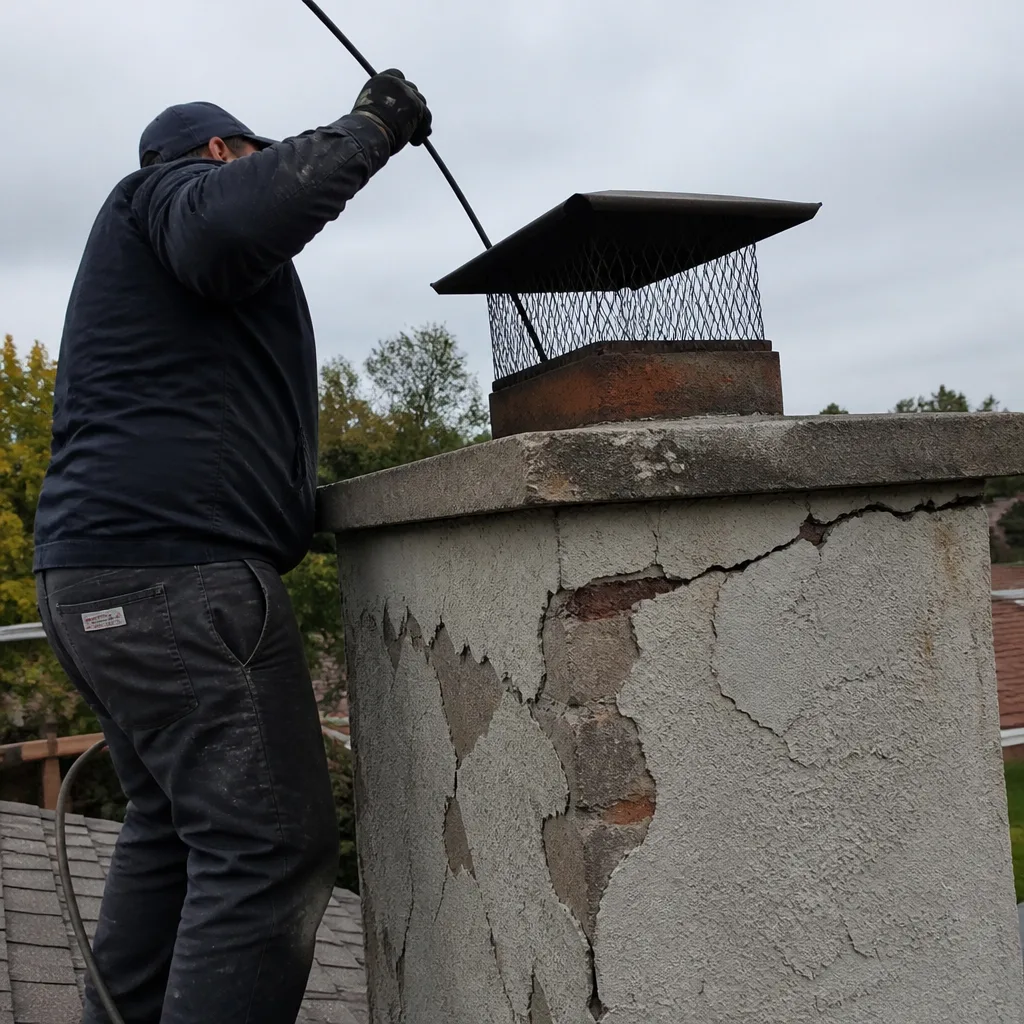 Before
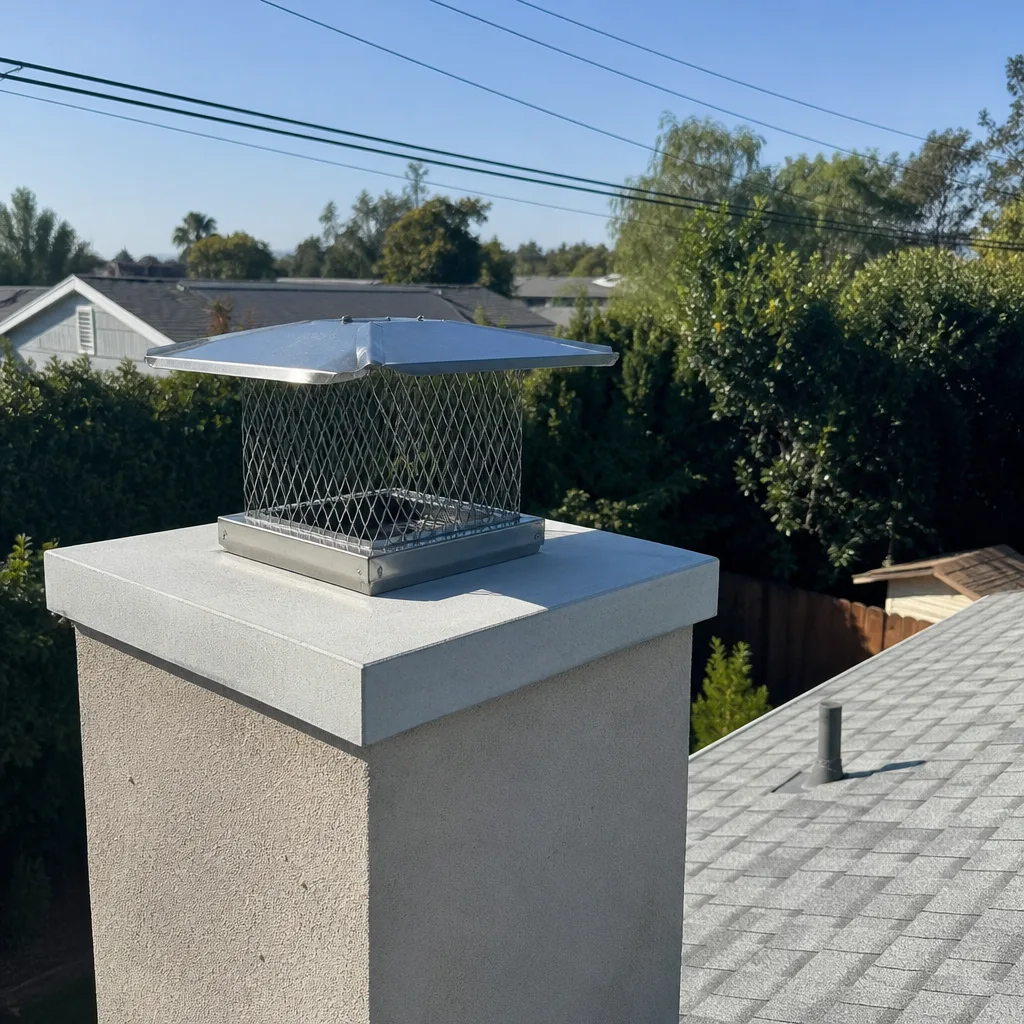 After
 Before
 After
 Before
 After