
Last updated November 2, 2026
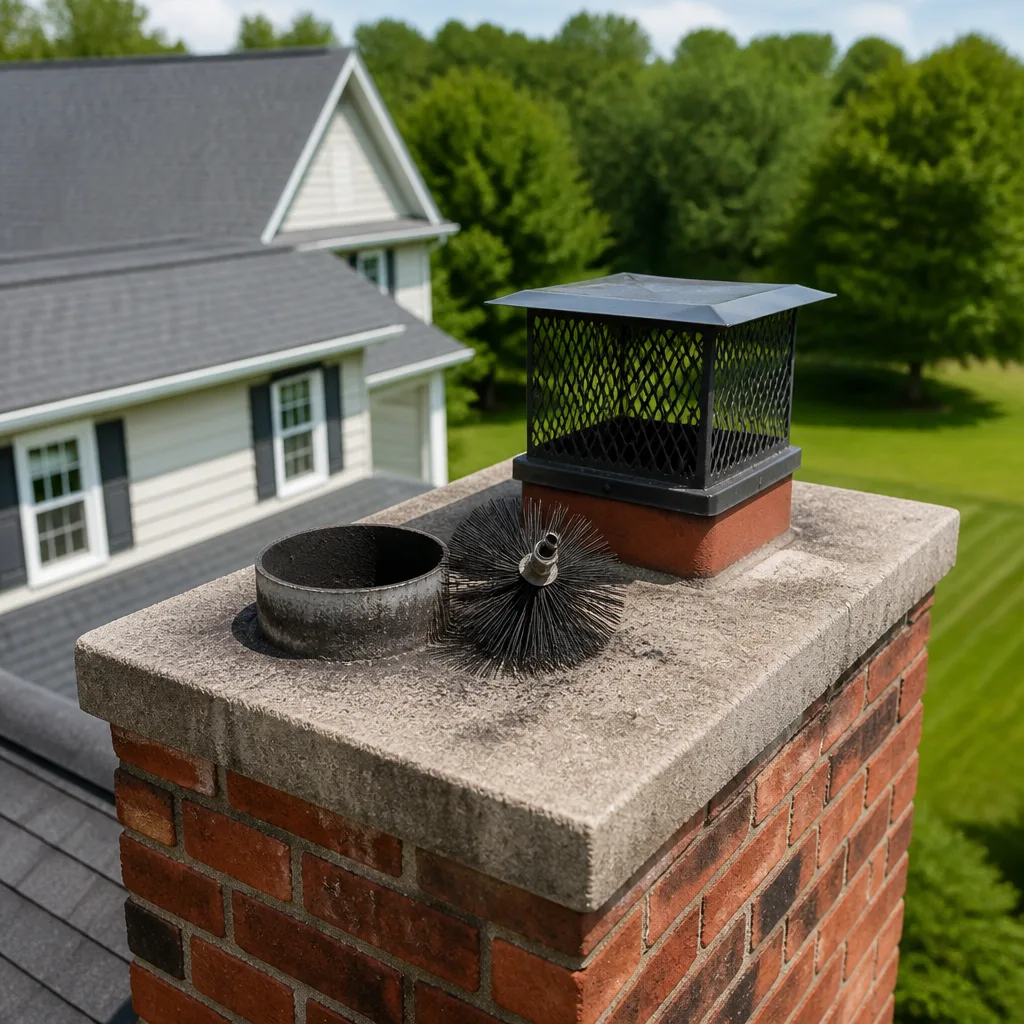 Sweep & inspection
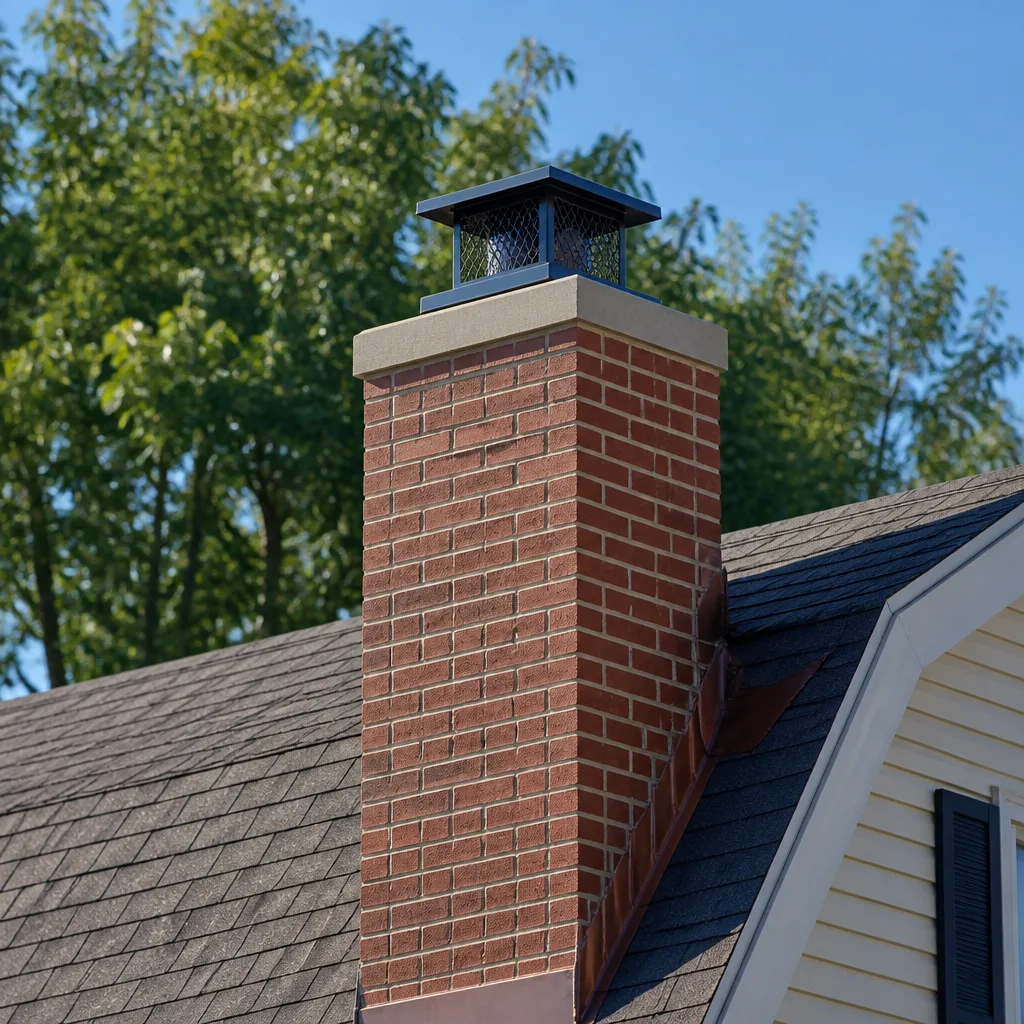 Caps & crowns
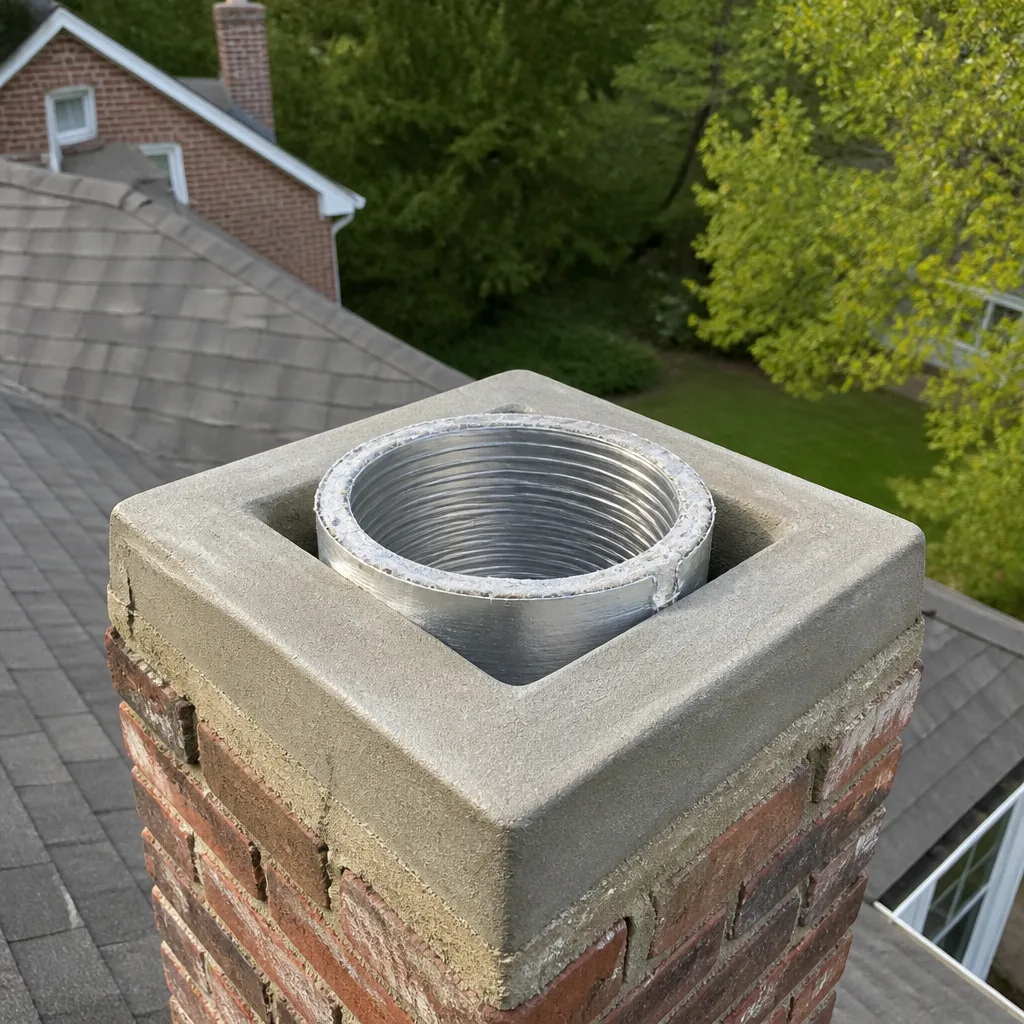 Flue relining
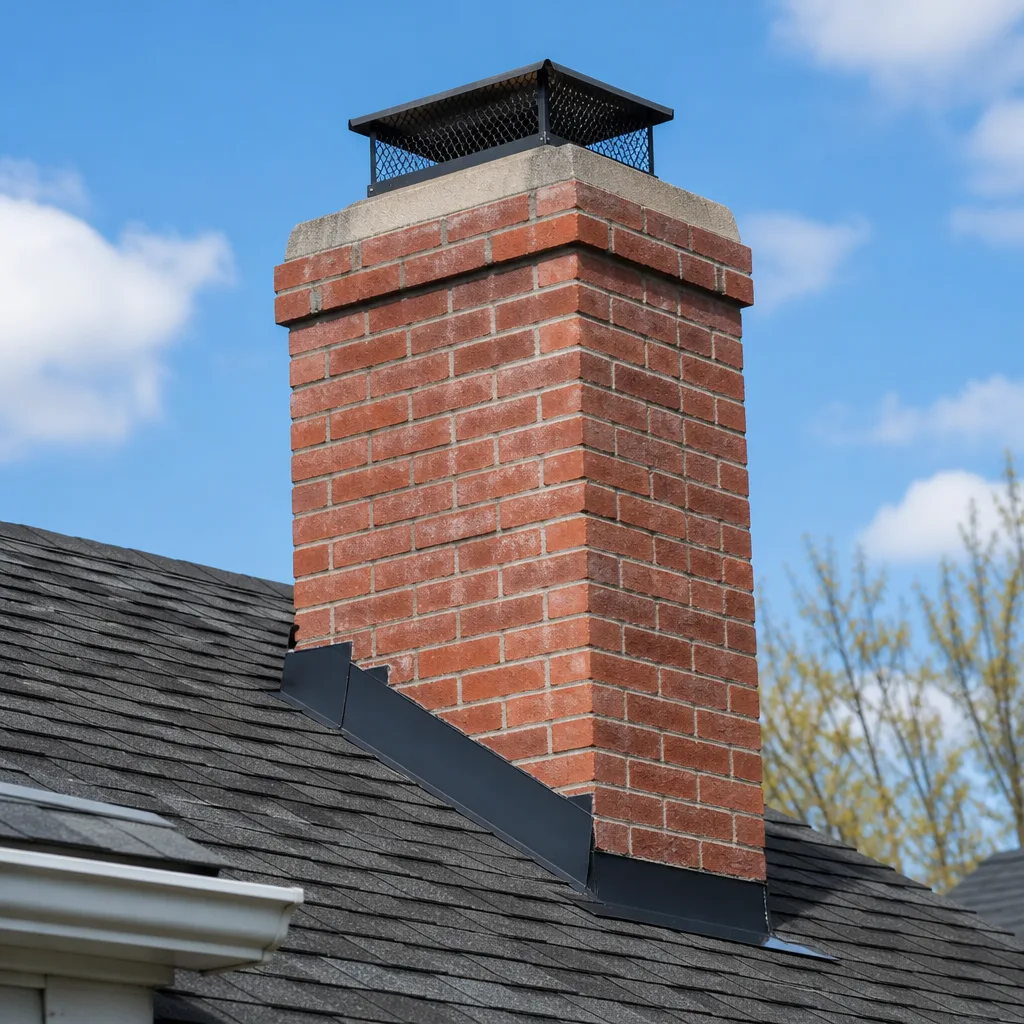 Masonry repair
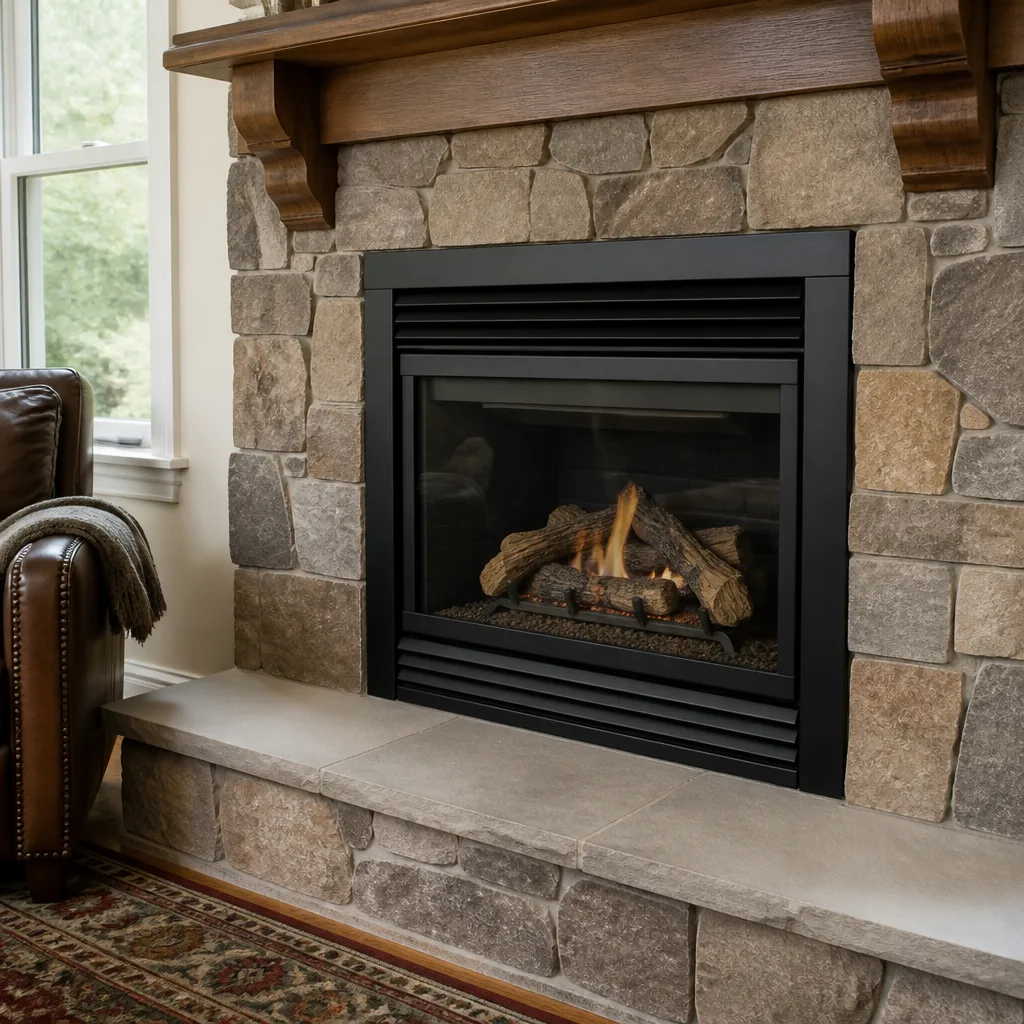 Gas fireplace service
Level 1 sweep and inspection to the NFPA 211 annual standard - flue, crown, cap, and flashing checked and photographed
Chimney sweep logs do not sweep chimneys. They loosen some creosote - which then falls where a brush and vacuum still have to collect it.
DIY vs Professional Chimney Cleaning: The Rancho Park Homeowner’s Decision Guide
The chimney sweep industry has a quiet secret: most serious chimney incidents in Los Angeles County aren’t caused by the thick, fluffy soot you can see with a flashlight. They’re caused by hairline cracks in flue liners and a hardened, tarry substance called Stage 2 creosote that looks, to an untrained eye, exactly like ordinary soot. If you’re a homeowner in Rancho Park weighing the cost of a brush kit against a professional cleaning, this guide will show you precisely where the do-it-yourself line is drawn, what diagnostic tools actually matter, and how to build a maintenance schedule that keeps your fireplace safe without wasting money on unnecessary service calls.
Styles & brands we work with
- Sweep & inspection
- Caps & crowns
- Flue relining
- Masonry repair
- Gas fireplace service
Quick Answer
DIY chimney cleaning in Rancho Park is legally permissible and can remove loose Stage 1 soot from a recently inspected, structurally sound flue, but it cannot assess the two factors that cause most chimney fires: flue liner integrity and creosote stage classification. A professional sweep uses camera inspection and creosote classification tools that cost thousands of dollars and require trained interpretation. The responsible middle path is a professional inspection every year or two with light DIY brushing between visits, never as a replacement for a trained eye on a system you can’t fully see.
Table of Contents
- What DIY Cleaning Can Actually Accomplish
- The Diagnostic Gap: Why a Brush Isn’t an Inspection
- Creosote Stages: How to Classify What’s in Your Flue
- The Equipment Math: What You’d Actually Spend on DIY Done Right
- California Liability: What a Self-Performed Cleaning Means for Insurance
- The Hybrid Approach: A Maintenance Schedule That Makes Sense
- What Rancho Park Homeowners Should Know About Their Chimneys
- Common Mistakes to Avoid
- When to Call a Professional
- Frequently Asked Questions
- The Bottom Line
What DIY Cleaning Can Actually Accomplish
Let’s be honest about what a brush on a rod does. A DIY chimney cleaning removes loose, powdery Stage 1 creosote and light soot deposits from the flue walls that you can reach. It clears fallen debris, small obstructions like a bird’s nest near the top of the flue, and the fine ash that accumulates in the smoke chamber above the damper. For a fireplace that was professionally inspected within the last two years and burns only seasoned hardwoods at moderate temperatures, that may be all the cleaning a system needs between professional visits.
The key phrase there is “professionally inspected.” A brush does one thing: it dislodges material. It does not tell you whether the flue liner behind that material has developed a crack from years of thermal expansion. It does not tell you whether the creosote you’re removing is Stage 1, which is safe to brush, or Stage 2, which is hardened, flammable, and resistant to standard brushing. It does not tell you whether the moisture staining you see near the top of your chimney in Rancho Park is a minor cosmetic issue or evidence of a failing crown that’s letting water into the brick structure.
In our experience serving Rancho Park and the surrounding westside neighborhoods, the homeowners who benefit most from DIY maintenance are the ones who already have a relationship with a professional sweep and understand their system’s baseline condition. If you’re starting from scratch, our step-by-step guide to hiring a chimney cleaning contractor in Rancho Park can help you find the right professional partner. They know their liner was sound as of last inspection. They know their creosote accumulation rate. They’re using DIY as a supplement, not a substitute. That’s the model that works.
Understanding the full scope of professional work helps clarify where DIY fits. A dedicated Chimney Sweep in Rancho Park does more than push a brush through the flue; the service includes inspection of the entire system, from firebox to termination cap, which is what makes it fundamentally different from a homeowner wielding a hardware store kit.
The Diagnostic Gap: Why a Brush Isn’t an Inspection
The most honest way to frame the DIY versus professional debate is not about cleaning at all. It’s about diagnosis. Cleaning addresses the symptom: accumulated material in the flue. Diagnosis addresses the cause of the fire risk: the condition of the flue itself and the type of material that has accumulated. A homeowner with a brush can do the first. Only someone with a specialized camera and the training to interpret what it shows can do the second.
A professional chimney camera system is not a GoPro on a stick. It’s a purpose-built, waterproof, high-resolution inspection camera mounted on a push rod with a light source, typically running from $2,000 to $5,000 for a professional-grade unit. The camera shows the interior of the flue in detail you cannot approximate with a flashlight and a mirror, which is the classic DIY inspection technique. The camera reveals hairline cracks in clay tile liners, gaps between tiles where mortar has fallen out, pitting and spalling from years of acidic creosote exposure, and separation at the flue connection points. These are the conditions that become chimney fires and carbon monoxide leaks.
We’ve seen Rancho Park chimneys that looked perfectly clean from the top and bottom, with a flue that showed no visible soot at all, that were hiding a cracked liner four feet down from the top. No amount of brushing would have found that crack, and no amount of brushing would have fixed it. The homeowner would have lit their first fire of the season thinking they’d handled maintenance, when in fact they’d only handled the part they could see.
This diagnostic capability is why Chimney Repair in Rancho Park is not a separate service call in the traditional sense. The same camera inspection that accompanies a sweep is also the tool that finds repair needs early, before they become the kind of structural failures that require full liner replacement rather than a targeted repair.
Creosote Stages: How to Classify What’s in Your Flue
Creosote is not one substance. It’s a family of combustion byproducts that changes form depending on flue temperature, wood moisture content, and how long it has been baked onto the flue walls. Classifying it correctly is the first decision point for any homeowner considering DIY work, because the stage determines whether brushing is appropriate or pointless, and whether the situation is dangerous.
Stage 1: The Flaky Powder
Stage 1 creosote is the soft, flaky, dark brown or black dust you find on flue walls after burning seasoned wood at proper temperatures. It brushes off easily with a standard chimney brush and dusts into fine particles. This is the type of deposit a homeowner can reasonably remove with a DIY brush kit, assuming the system has been professionally inspected and no structural issues were flagged. Stage 1 creosote is not inherently dangerous, though it still reduces flue draft and should not be allowed to build up indefinitely.
Stage 2: The Tarry Glaze
Stage 2 creosote is where the risk begins and where DIY cleaning becomes actively unsafe. It is not powdery. It is a hardened, glossy, tar-like deposit that forms when flue temperatures are lower, often from burning unseasoned wood or from a flue that’s oversized for the appliance. Stage 2 creosote bonds to the flue walls and resists standard brushing; trying to scrape it with a homeowner-grade brush can actually create a false sense of accomplishment while leaving the dangerous deposit in place. Professional removal uses rotary cleaning systems with chains or specialized abrasives attached to a drill-driven whip, and even then it can take significant effort.
Stage 2 creosote burns at a much lower ignition temperature than Stage 1, and it burns as a solid mass, which is what sustains a chimney fire long enough to crack a liner and spread to the surrounding structure. If you can see a shiny, glassy black surface inside your flue, do not attempt to brush it yourself. That’s a professional-grade problem.
Stage 3: The Solid Obstruction
Stage 3 creosote is the end state: a thick, candle-wax-like layer that can reduce a flue opening by half or more. It burns like a fuel rod. It cannot be removed by brushing at all. Removing Stage 3 creosote may require chemical treatments, rotary removal, or in severe cases, liner replacement. No homeowner should attempt to address Stage 3 creosote with anything bought at a hardware store.
What You Can Check From Below (Safely)
- Use a bright flashlight and inspection mirror (available for under $20) to view the flue interior from the fireplace opening after the damper has been opened.
- Look at the texture: powdery and dark brown is likely Stage 1. Shiny, black, and hard is at least Stage 2.
- Scrape gently with a fireplace tool: if material comes away as powder, it may be Stage 1. If it resists and feels hard like a candy shell, it’s beyond DIY scope.
- Note any white or tan staining on exterior brick, which signals moisture penetration, not creosote, but is equally important to address.
Classifying creosote from below is an approximation, not a diagnosis. The definitive classification comes from a professional inspection. In Rancho Park, where many homes are original mid-century construction with tile-lined chimneys that have seen decades of use, annual creosote classification is a sensible practice for anyone who burns wood. Our seasonal chimney care guide for Rancho Park covers how to time these inspections throughout the year.
The Equipment Math: What You’d Actually Spend on DIY Done Right
Most DIY chimney cleaning cost breakdowns compare a $60 brush kit to a $300 professional sweep, which makes the DIY route look like a bargain. That comparison is false. Doing DIY cleaning responsibly, with the tools that actually protect you and produce a useful result, closes most of the gap.
Here’s what a responsible DIY setup costs, using current hardware store pricing that tracks with what we see in Los Angeles:
- Chimney brush (correct diameter for your flue): $40-$80 for a basic steel or poly brush, but a missized brush either leaves deposits behind or risks damaging a tile liner.
- Fiberglass rod set (enough length for a two-story Rancho Park chimney): $70-$120 for rods with positive-locking connections that won’t detach inside the flue.
- Drop cloths, heavy-duty plastic sheeting, painters tape: $25-$40 for adequate debris containment. Underestimate this and you’ll spend hours vacuuming fine soot out of living room carpets.
- P100 respirator (not a dust mask, which is inadequate for creosote particulates): $35-$60 for a proper respirator with replaceable cartridges.
- Eye protection, N95 gloves, disposable coveralls: $25-$40. Creosote is a skin and respiratory irritant; you do not want it on your clothes or in your lungs.
- Shop vacuum with HEPA filter and bags (standard shop vac filters do not capture creosote fines): $80-$150 for a unit with genuine HEPA capability, if you don’t already own one.
- Inspection mirror, flashlight, drop light: $30-$50 for the basic visibility setup.
That adds up to $305 to $540 for a basic responsible setup, and that’s before accounting for the time cost of doing the work, cleaning up the inevitable dust that escaped containment, and hauling creosote debris to an appropriate disposal facility (never your municipal green bin; creosote is a combustion byproduct and belongs in household hazardous waste). The professional sweep that costs $250-$400 in Rancho Park includes all of this, plus the trained eye, the camera inspection, the creosote classification, and the disposal responsibility. The math is not as lopsided as the brush kit implies.
Comparisons like this, anchored in what a Chimney Sweep Rancho Park home actually does during a service call, show why specification-grade work costs what it costs: the equipment that produces a real result is not optional.
California Liability: What a Self-Performed Cleaning Means for Insurance
This is a question DIY chimney articles almost never address, and it matters more than most homeowners realize. In California, if you clean your own chimney and a chimney fire occurs afterward, your insurance company will ask questions. They are not obligated to cover losses resulting from negligence in home maintenance, and the burden of proving the fire wasn’t preventable rests on you.
Here’s how it plays out in practice, based on what we know from California adjusters and the CSIA (Chimney Safety Institute of America) guidance on insurance claims:
- If you have no maintenance records at all: The adjuster sees a homeowner who did no professional maintenance, performed a DIY cleaning whose adequacy cannot be verified, and then experienced a chimney fire. The claim is much more likely to be scrutinized or partially denied.
- If you have a DIY cleaning but no professional inspection history: You can honestly say you cleaned the chimney, but you cannot document the condition of the flue liner before the fire. Without an inspection record, there’s no evidence the system was structurally sound, and the insurance company may argue the fire was a foreseeable consequence of unverified maintenance.
- If you have professional inspection records AND DIY interim cleanings: You’re in the strongest position. The professional records establish that a qualified person evaluated the system, found it sound (or documented repairs that were completed), and the DIY cleaning was a responsible interim measure between professional services.
The insurance issue is not about whether DIY cleaning is inherently unsafe. It’s about documentation. A professional chimney sweep provides a dated service record, which becomes evidence of responsible maintenance. A homeowner armed with a brush and good intentions provides nothing an adjuster can verify. In Rancho Park, where many homeowners carry high-value property insurance given Los Angeles real estate prices, the documentation gap alone is a reasonable argument for at least a professional inspection on a regular schedule.
The Hybrid Approach: A Maintenance Schedule That Makes Sense
The false binary in the DIY versus professional debate assumes you must choose one or the other. In reality, the most cost-effective and verifiably safe approach for most Rancho Park homeowners is a hybrid: professional inspection on a regular schedule, with light DIY brushing between visits if and only if the system has been professionally cleared as suitable for that maintenance pattern.
A Responsible Hybrid Schedule
- Year One, before burn season: Professional sweep with camera inspection. This establishes the baseline: liner condition, creosote accumulation rate, any repairs needed, and the specific flue dimensions for future DIY brushing. Do not skip this step if the chimney’s history is unknown to you.
- During Year One burn season: Burn only seasoned hardwoods (moisture content below 20%), maintain moderate burn temperatures to minimize creosote formation, and empty ash after each use. These habits directly reduce how much creosote accumulates, a point often lost on DIY advocates who burn green wood and then blame the brush for a dirty flue.
- Between Year One and Year Two: If the Year One inspection found only Stage 1 creosote and no structural issues, a light DIY brushing at the midpoint of the off-season is reasonable for a homeowner comfortable with the process. If Stage 2 creosote was found, skip DIY entirely; you need professional removal.
- Year Two, before burn season: Professional inspection with camera. Compare creosote levels and liner condition to Year One. This comparison, not the absolute numbers, is what tells you how quickly your system accumulates deposits and whether your fire habits need adjustment.
- Ongoing: Establish an inspection interval based on your measured accumulation rate. Most wood-burning homeowners in Rancho Park land on an annual or every-other-year professional inspection, with or without a full sweep each time depending on what the camera shows.
The thing to notice about this schedule: DIY brushing is a maintenance fill-in, never a replacement for the diagnostic layer. The professional inspection is the load-bearing component, and it’s what makes the DIY brushing defensible for both safety and insurance purposes.
Homes with gas fireplaces should follow a similar inspection interval focused on venting integrity and carbon monoxide safety, even though gas produces no creosote. A Dryer Vent Cleaning in Rancho Park service addresses the other airflow system in the home that accumulates combustible lint, and the same hybrid logic applies: a homeowner can vacuum the visible lint trap housing, but the interior vent run requires professional tools and is a documented fire risk when neglected.
What Rancho Park Homeowners Should Know About Their Chimneys
Rancho Park’s housing stock shapes its chimney problems in ways that generic DIY advice never captures. The neighborhood is dominated by original mid-century single-family homes built between the late 1940s and early 1960s, most of which have masonry chimneys with clay tile liners. Those liners were installed before modern efficiency standards, and after 60 to 75 years of thermal cycling, the mortar joints between tiles are often the first point of failure. A camera inspection will frequently reveal gaps where mortar has deteriorated, allowing heat and combustion gases to reach surrounding framing.
The climate matters too. Rancho Park’s Mediterranean pattern means chimneys sit dry for most of the year and then see rain concentrated in a few winter months. That cycle of wet and dry is hard on masonry, particularly the crown, which is the concrete cap at the top of the chimney. Crown cracks let water into the brick structure, where it causes spalling (the face of the brick popping off) and accelerated liner deterioration. A homeowner cleaning from below will never see crown damage, and a homeowner on the roof will rarely recognize early-stage cracking for what it is.
Our service area experience across Rancho Park suggests that mid-century tile liners in the neighborhood are now reaching the age where either HeatShield resurfacing or, more commonly, replacement with a DuraFlex stainless steel liner is becoming the standard repair. These are professional materials, installed by trained technicians. They are not items that appear on a hardware store shelf, and they’re not things a homeowner is going to install, regardless of how many YouTube videos exist. What matters for the DIY decision is this: the age of Rancho Park’s housing stock means the probability that a “simple cleaning” will turn into a diagnosis of liner repair is higher here than in newer communities. That makes the professional inspection layer even more important, not less.
Common Mistakes to Avoid
- Treating creosote as a single substance. A brush works on Stage 1 and does almost nothing on Stage 2. If you don’t know which you have, you can’t know whether DIY cleaning is even worth attempting.
- Assuming “clean” means “safe.” Cleanliness addresses deposits. Safety addresses liner integrity, smoke chamber condition, and termination cap function. A flue can be brushed spotless and still be a fire hazard because of an undocumented liner crack.
- Using the wrong diameter brush. A brush that’s too small leaves deposits on the flue walls; a brush that’s too large can crack an aging tile liner. Neither failure is visible until the next professional inspection, at which point the damage has been done.
- Skipping the inspection because you clean yourself. This is the single highest-risk error we see in Rancho Park. The homeowner who says, “I clean my own chimney, so I don’t need a pro,” is the homeowner whose liner has never been seen by a camera.
- Burning fire logs designed as “chimney cleaners.” These products claim to reduce creosote, and they can convert some Stage 2 creosote to a more brushable form. They do not substitute for mechanical cleaning, and they do nothing for structural inspection. At best they’re a minor supplement; at worst they create false confidence.
- Underestimating the dust problem. Chimney sweeping produces extremely fine creosote particulate that settles into carpets, ductwork, and upholstery if containment isn’t thorough. The professional-grade plastic sheeting and negative air methods a sweep uses exist for a reason. If you’re going to DIY, treat dust containment as a real job, not an afterthought.
- Assuming a gas chimney doesn’t need attention. Gas fireplaces don’t produce creosote, but they do produce acidic condensate that corrodes liners, and a blocked or damaged vent is a carbon monoxide risk. Gas systems need inspection on the same schedule as wood systems.
When to Call a Professional
Some situations leave no room for a DIY decision. If you see shiny, black, hardened creosote in your flue, call a professional; that’s Stage 2 or 3, and standard brushes won’t remove it. If you see white or dark staining on the exterior brick, especially around the top of the chimney, call a professional; that’s moisture penetration, and the source needs to be found before it becomes structural. If you smell a wood-smoke odor in the home when the fireplace is not in use, or if you notice smoke entering the room during operation, call a professional; these are signs of draft failure, which has several possible causes and requires diagnostic training to sort out. If the chimney has unknown history – you bought the Rancho Park house and have no records – call a professional for a baseline inspection before the first burn season. If you have any doubt about whether what you’re seeing is Stage 1 or something worse, call. The cost of a sweep with inspection is less than the typical insurance deductible, and it produces a dated record that matters for both safety documentation and peace of mind. Chimney Sweep Rancho Park offers free estimates in Rancho Park – call (877) 326-6276 to schedule yours.
Frequently Asked Questions
A professional chimney sweep in Rancho Park typically costs between $250 and $400 for a standard masonry fireplace, with the price varying based on flue height, creosote stage, and whether the system requires rotary cleaning. For a full cost breakdown with 2026 pricing, see our dedicated guide. That price includes the sweep, the camera inspection, and the service record. It’s comparable to what a responsible DIY setup costs when you add up the brush, rods, respirator, HEPA vacuum, and other equipment, without any of the diagnostic value. Call (877) 326-6276 for an exact quote on your specific system.
Yes, California does not require a license to clean your own chimney, and no state law prohibits the practice. The issue is not legality but liability and adequacy: you can legally clean your own chimney without seeing the liner cracks or Stage 2 creosote that a professional camera inspection would find, and your insurance company may ask difficult questions if a fire occurs after a self-performed cleaning with no professional inspection record.
Stage 1 creosote is a flaky, powdery, dark brown or black dust that brushes off easily and appears dull under a flashlight, while Stage 2 creosote is a hardened, shiny, black, tar-like glaze that resists scraping and bonds to the flue wall. The visual distinction is clear if you know what you’re looking at, which is why classification is part of every professional sweep. When in doubt, do not attempt to remove it yourself; a professional can classify it quickly and recommend the right removal method.
Skipping cleaning allows creosote to accumulate, and the danger curve is not linear; it accelerates as the flue narrows. Stage 1 creosote becomes Stage 2, which is flammable at much lower temperatures, and the reduced draft makes it harder to burn wood efficiently, which in turn produces more creosote. Eventually, a hot fire ignites the deposits, and a chimney fire can reach temperatures above 2,000°F, rapidly cracking a clay liner and allowing fire to spread to the home’s framing. Carbon monoxide risk also rises as the flue narrows. A sweep is cheaper than the alternatives.
Gas fireplaces do not need sweeping in the traditional sense because they produce no creosote and almost no soot, but they do need annual inspection. The acidic condensate from gas combustion corrodes metal liners over time, and a damaged or blocked gas vent is a carbon monoxide risk that no amount of homeowner cleaning addresses. A professional inspection for a gas fireplace focuses on venting integrity, termination cap condition, and corrosion, not creosote removal.
Most Rancho Park homes are mid-century construction with original clay tile liners that are now 60 to 75 years old, which means the mortar joints between tiles are often deteriorating and the crowns are frequently cracked from decades of wet-dry cycling. These age-related issues are invisible from the fireplace opening and can only be identified with a camera inspection, making the professional inspection layer more important in Rancho Park than in newer communities with stainless steel liners.
The Bottom Line
The DIY chimney cleaning question is not really about whether you can push a brush through a flue. It’s about whether you can see what matters: the condition of the liner, the classification of the creosote, the integrity of the crown. A homeowner with a brush can remove what’s visible and obvious; a professional with a camera can find what’s hidden and consequential. The responsible model, especially for Rancho Park’s aging housing stock, is professional inspection on a regular schedule, light DIY maintenance between visits when the system has been cleared for it, and no compromise on the diagnostic layer. A clean flue isn’t a luxury, it’s how your system is supposed to work. Chimney Sweep in Rancho Park is available for inspections, sweeps, and repairs – call (877) 326-6276 if you’re uncertain about your system’s condition.
Written by the team at Chimney Sweep Rancho Park, serving Rancho Park since 2011.
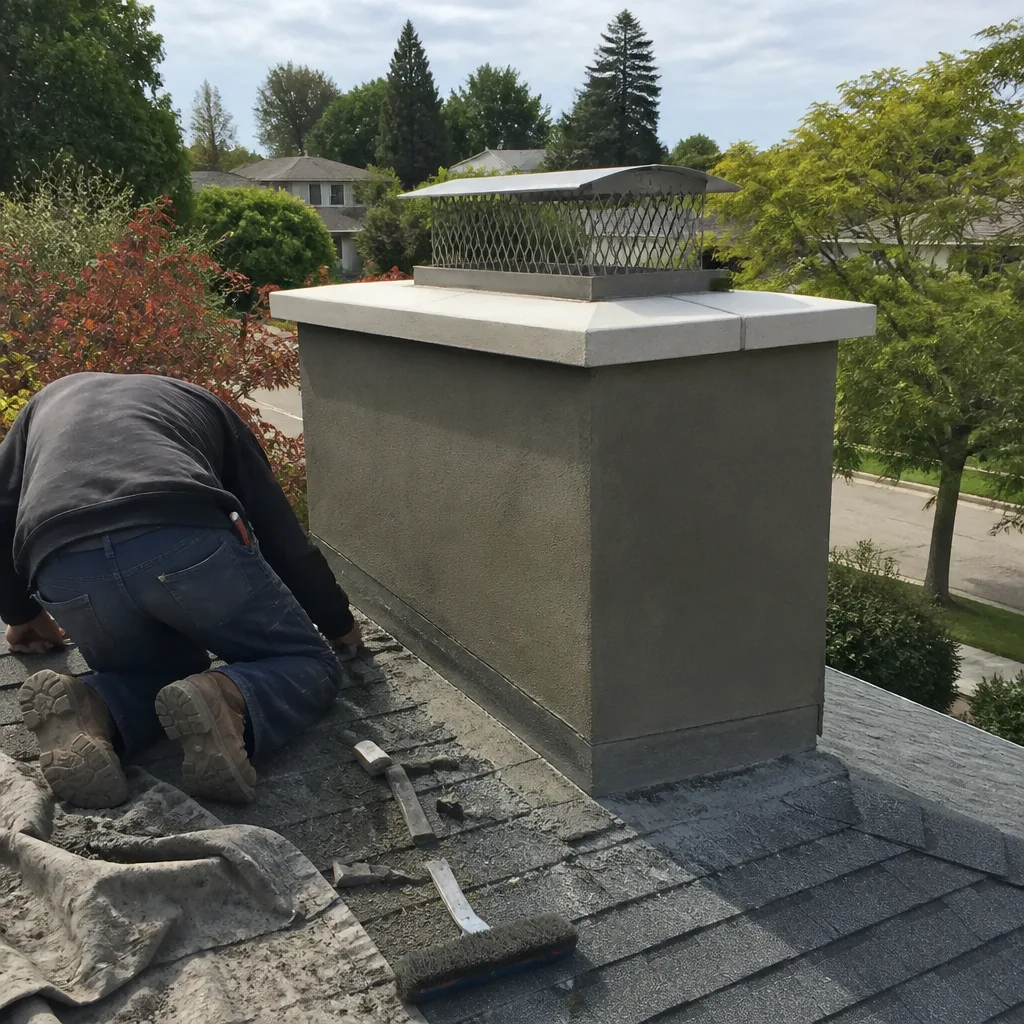
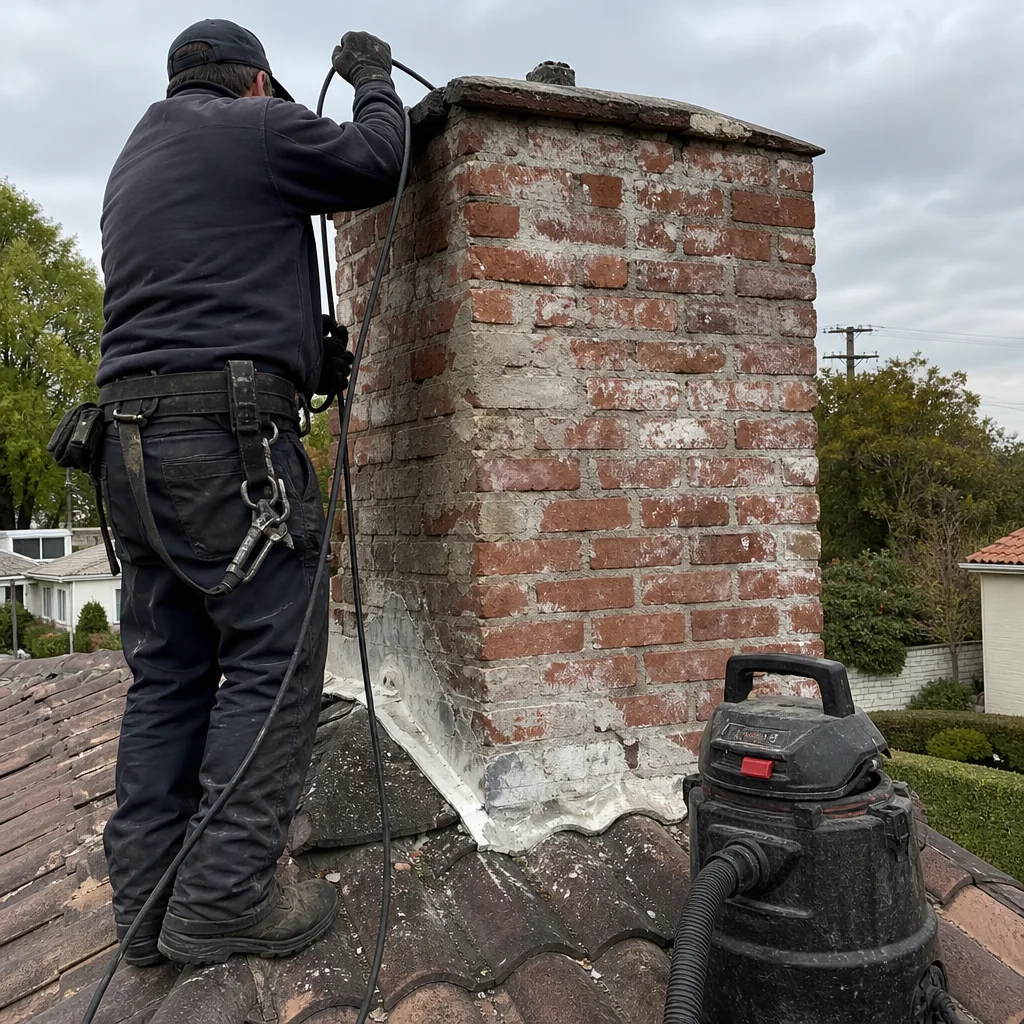
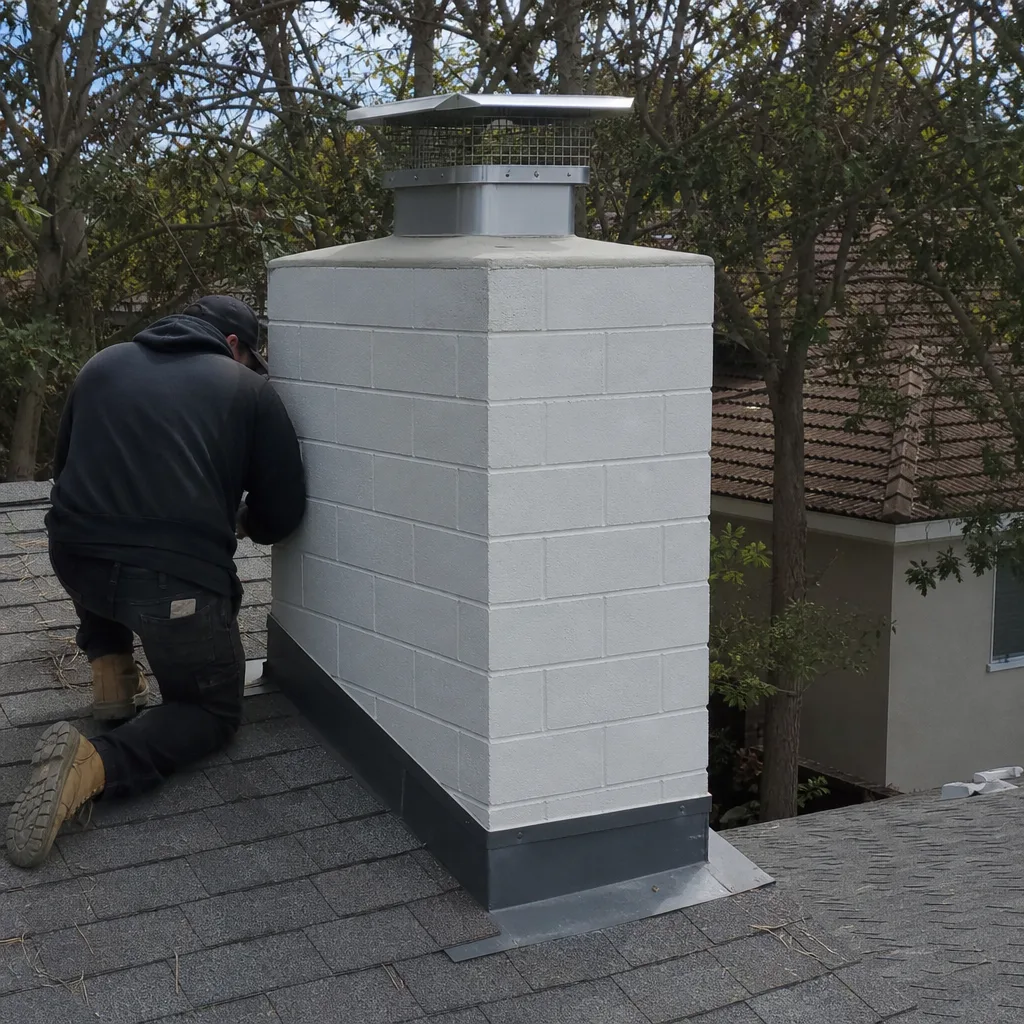
See the difference
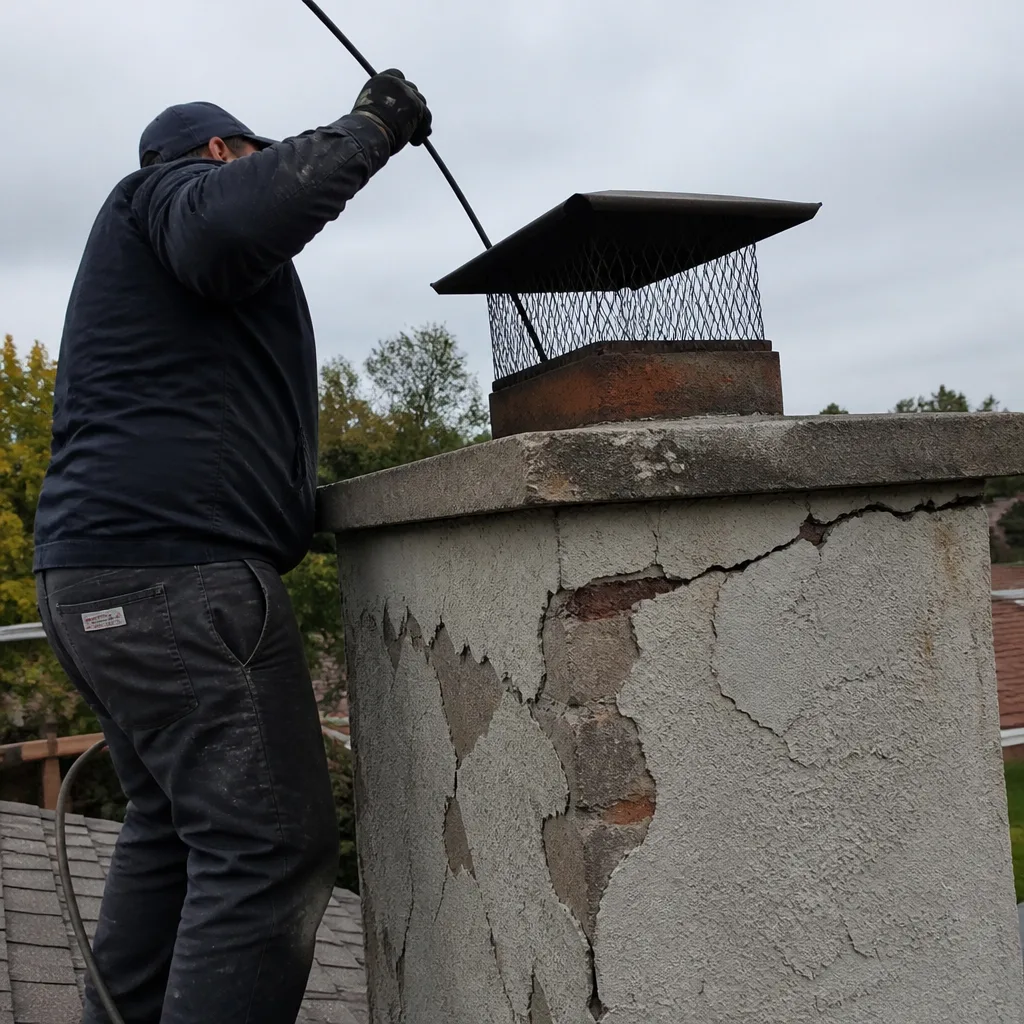 Before
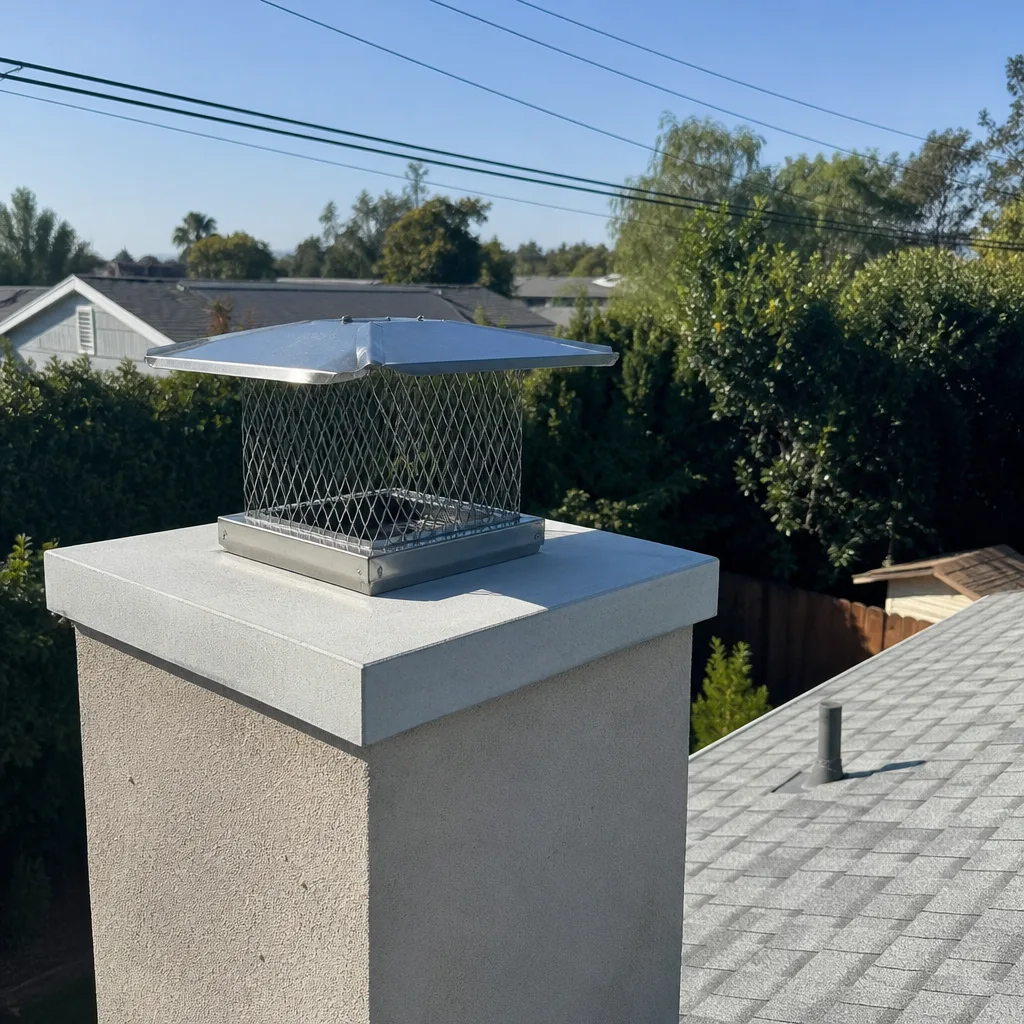 After
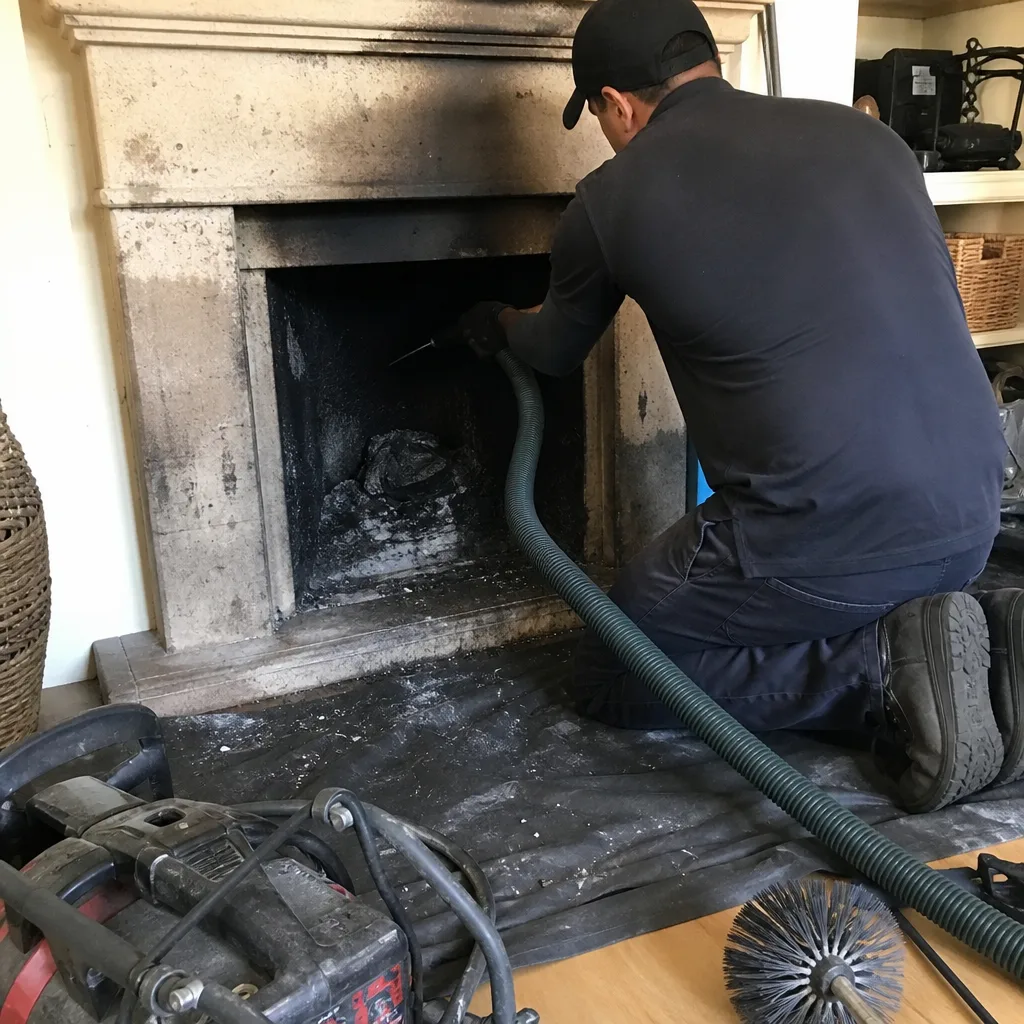 Before
 After
 Before
 After