
Last updated November 2, 2026
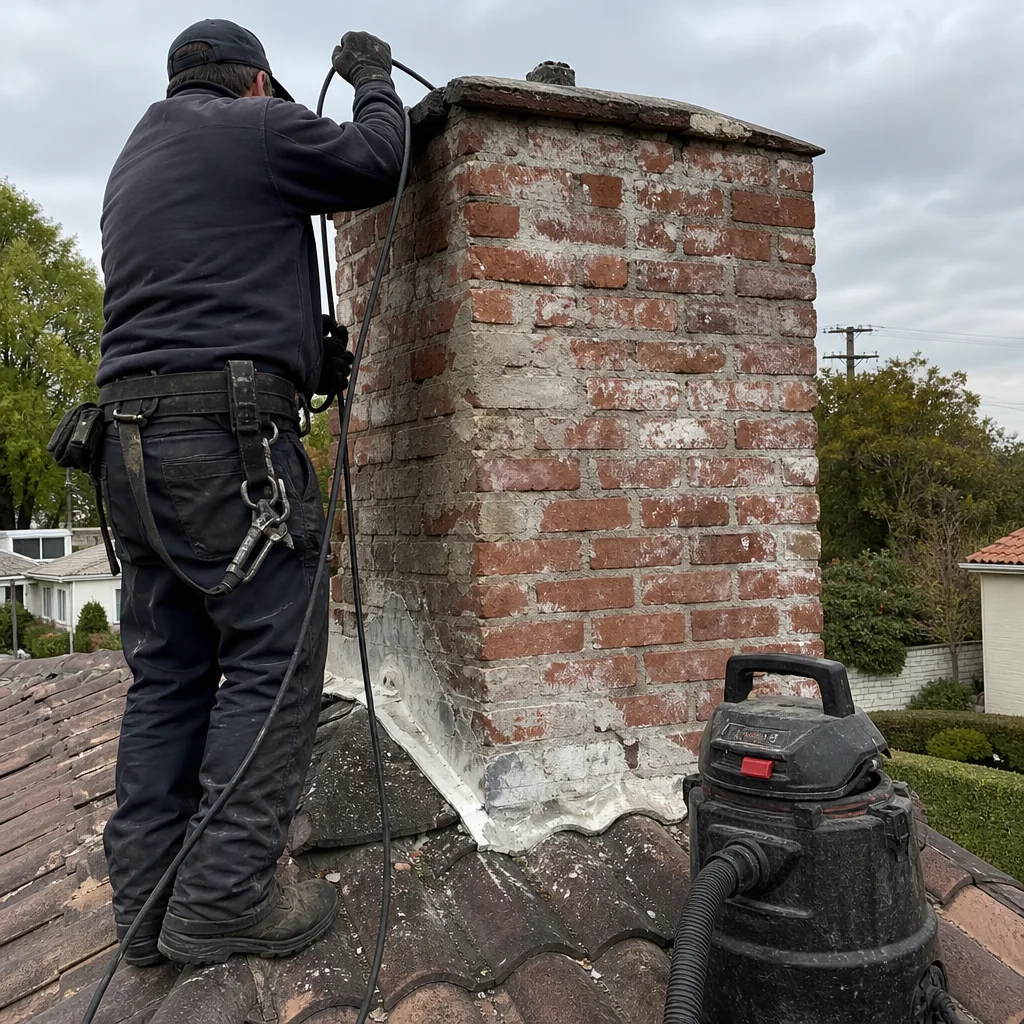
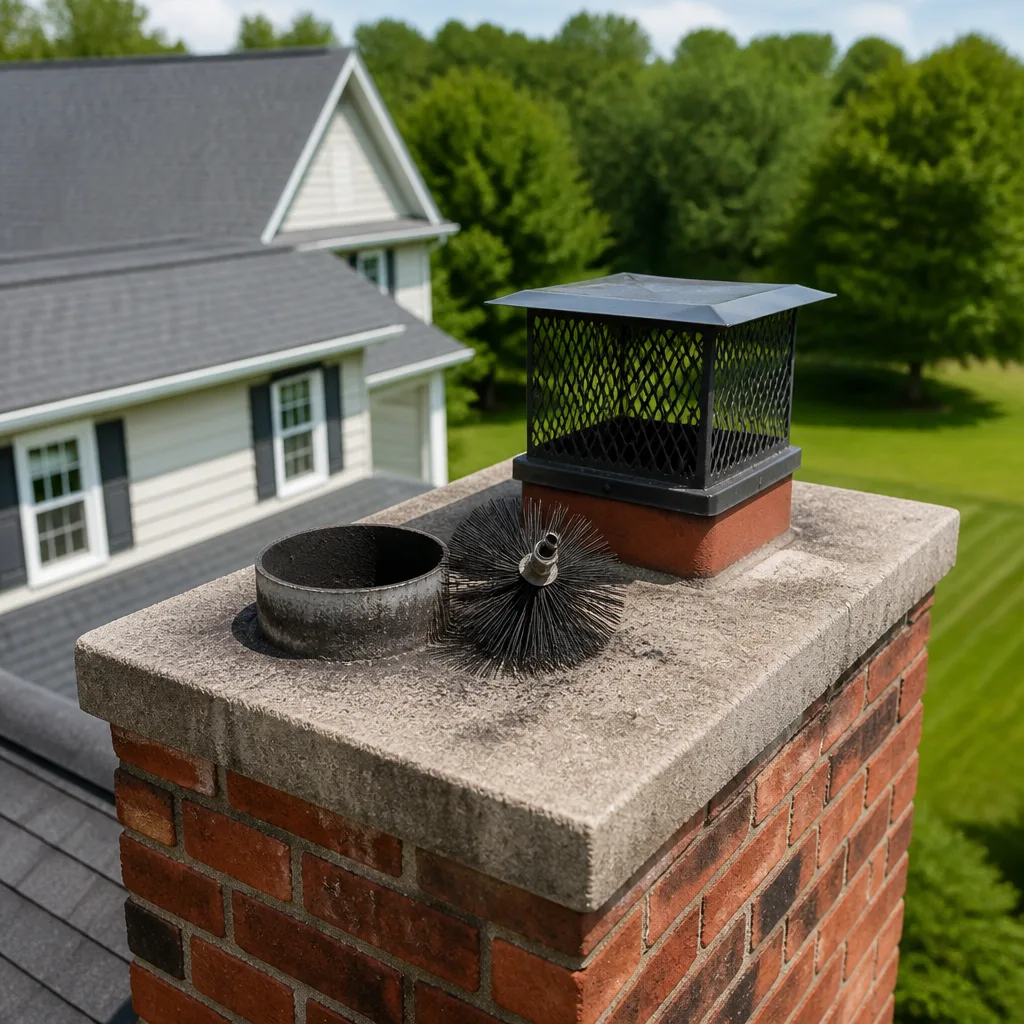 Sweep & inspection
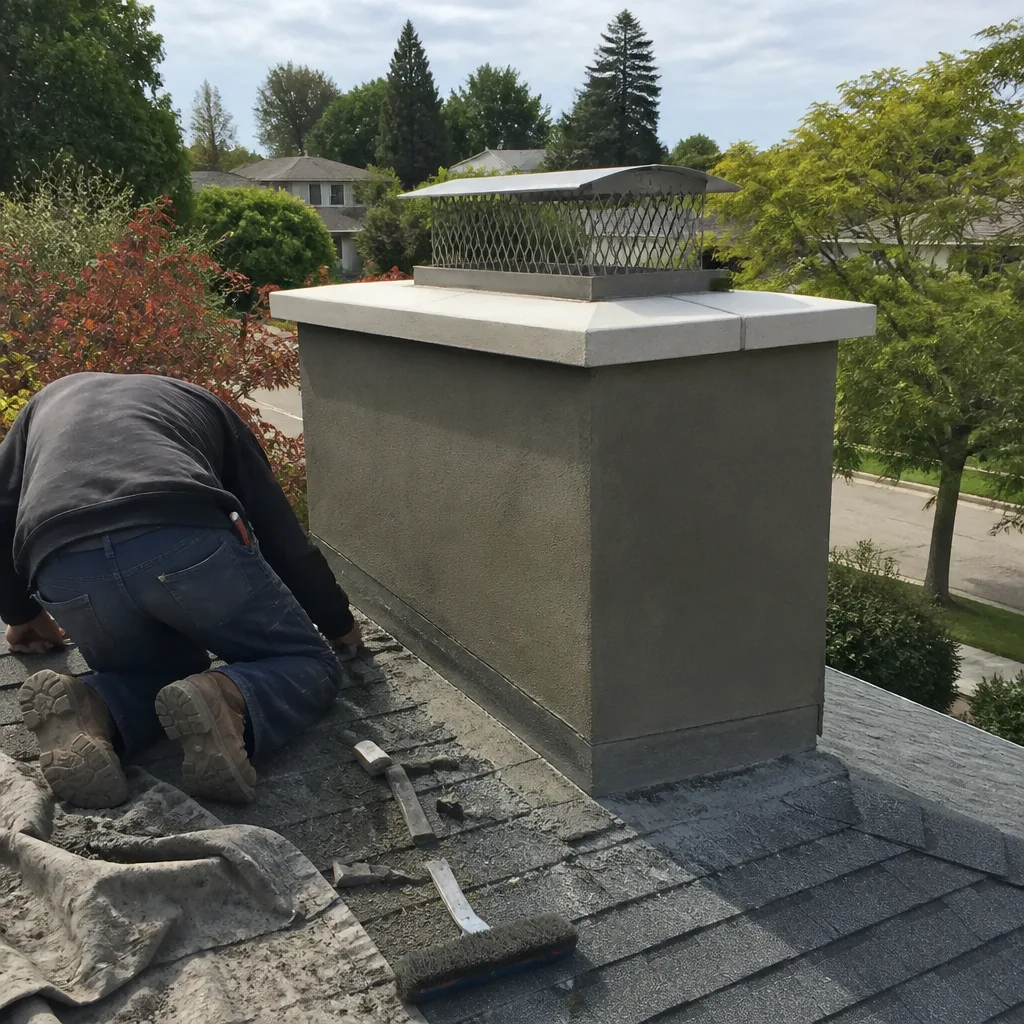
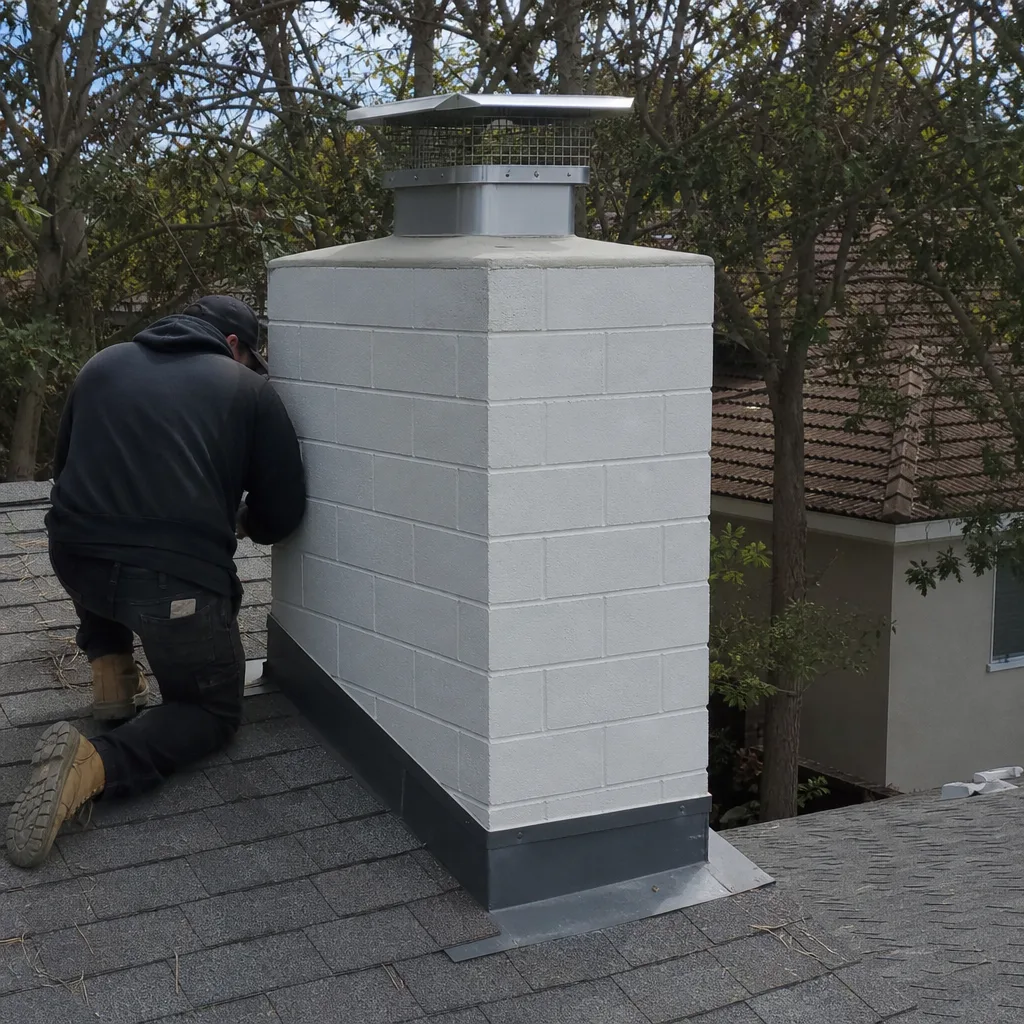
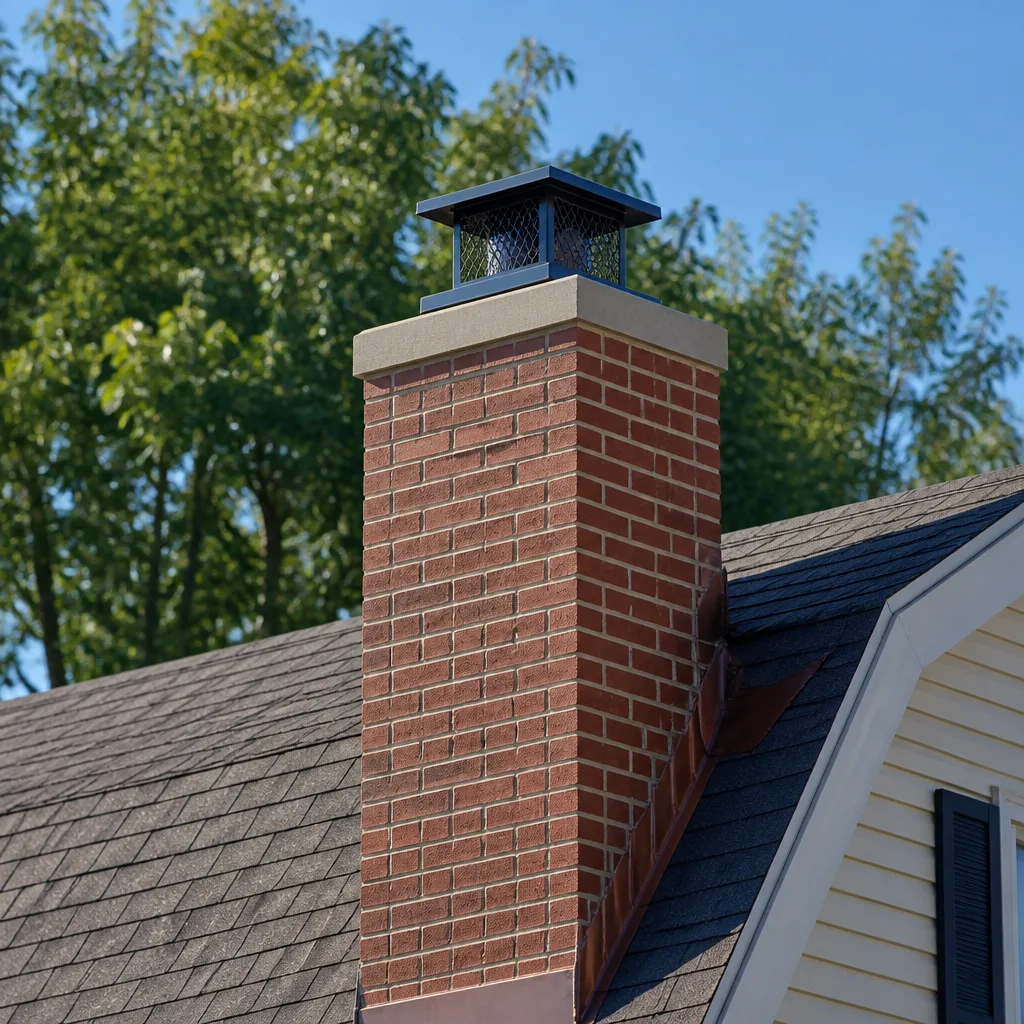 Caps & crowns
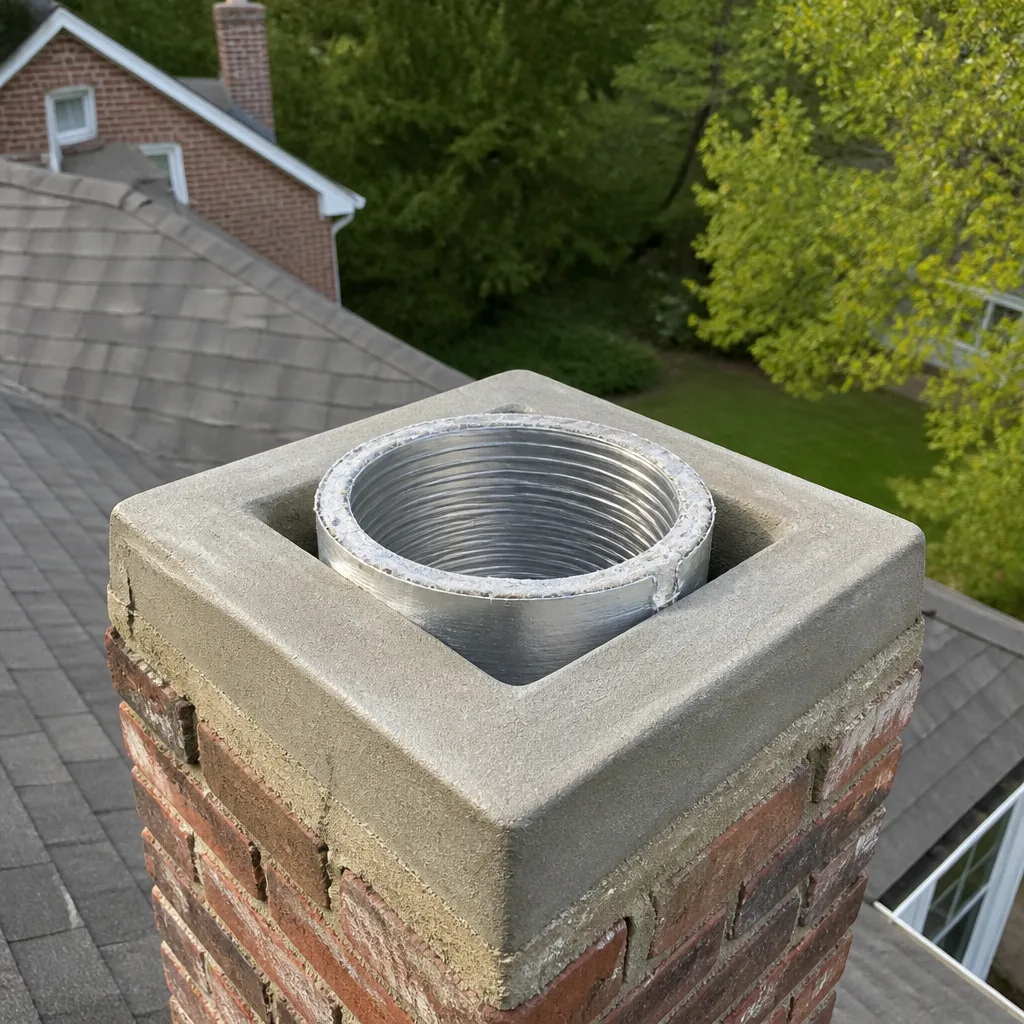 Flue relining
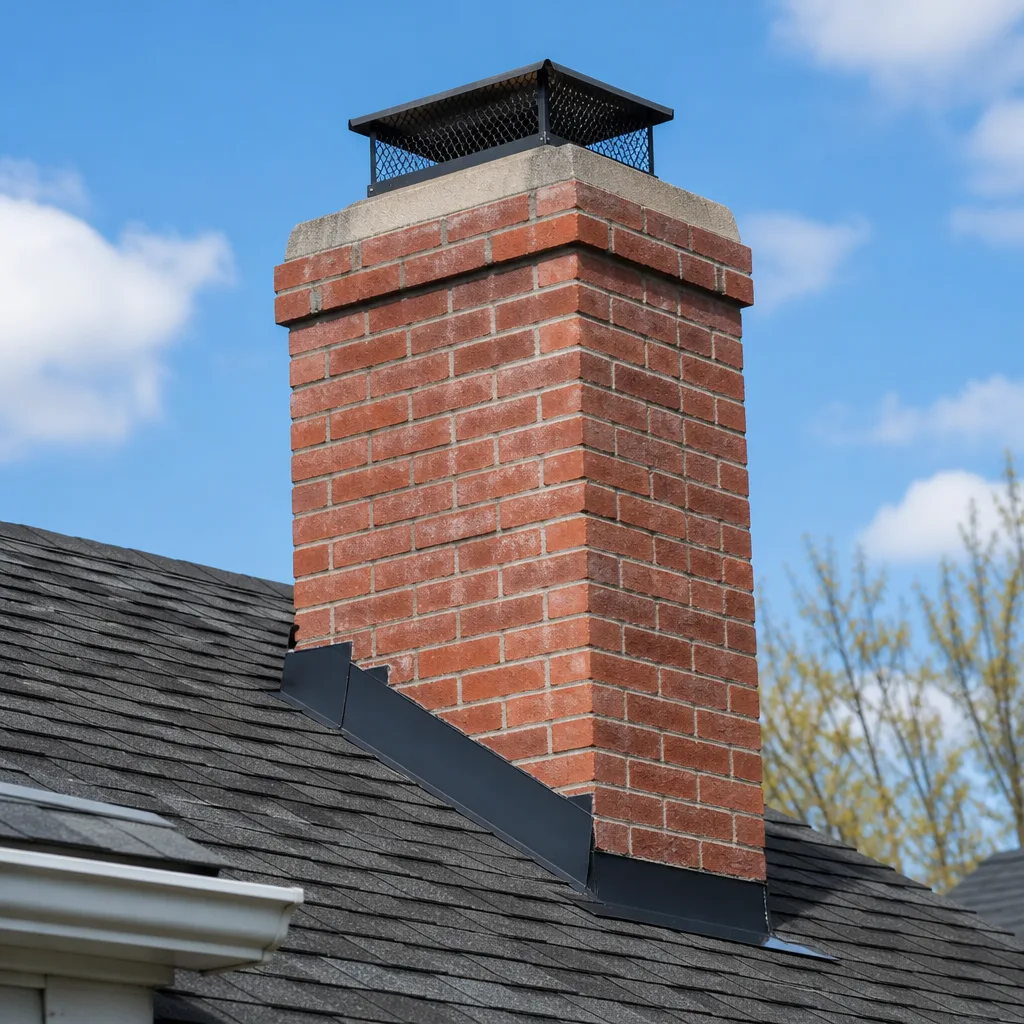 Masonry repair
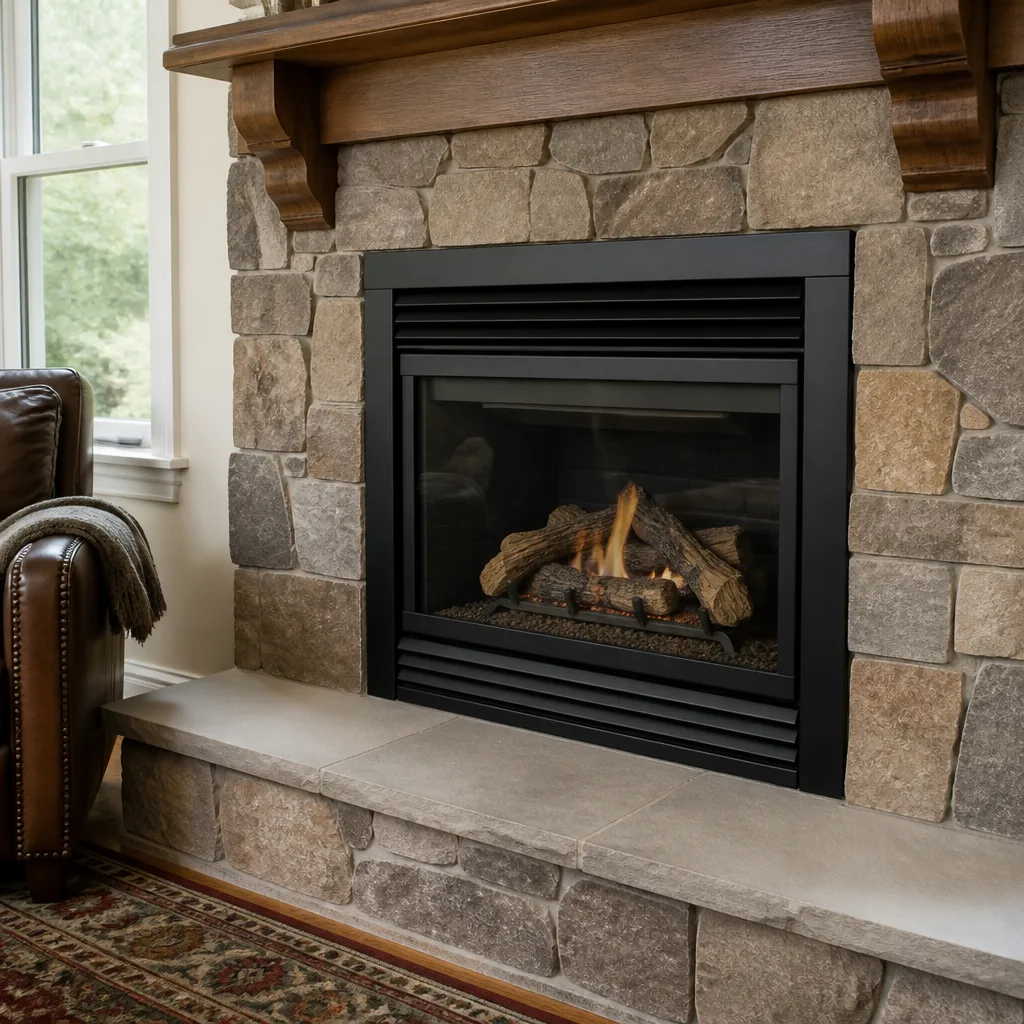 Gas fireplace service
Level 1 sweep and inspection to the NFPA 211 annual standard - flue, crown, cap, and flashing checked and photographed
Chimney sweep logs do not sweep chimneys. They loosen some creosote - which then falls where a brush and vacuum still have to collect it.
The Complete Chimney Sweep Guide for Rancho Park Homeowners
A fireplace used only 8 nights a year still needs an annual inspection. In Rancho Park, that statement confuses people. The logic seems backwards: less use should mean less wear. But Southern California’s particular climate, with its humidity swings and coastal air intrusion, creates conditions where the inside of a rarely-used flue can deteriorate faster than one fired every winter weekend in a colder climate. This guide explains why that happens, what it costs to address, and exactly what proper Chimney Sweep services in Rancho Park should include. You’ll learn how to read a sweep report, which materials actually hold up in this climate, and when an inspection can wait.
Styles & brands we work with
- Sweep & inspection
- Caps & crowns
- Flue relining
- Masonry repair
- Gas fireplace service
Quick Answer
A chimney sweep in Rancho Park CA typically costs $189 to $340 and includes a full flue cleaning, a safety inspection of the firebox and damper, and a written report on creosote levels and any structural concerns. Homes that have not been swept in more than two years, or any home being bought or sold, should receive a Level 2 inspection, which adds camera work and runs $350 to $600. In this climate, skipping the annual sweep is a bigger risk than in most of the country, because infrequent fireplace use allows moisture to settle in mortar joints for months at a time.
Table of Contents
- Why Rancho Park’s Climate Creates a Deceptive Chimney Risk
- Level 1 vs Level 2 Inspections: What Rancho Park Homes Actually Need
- How Much Does a Chimney Sweep Cost in Rancho Park?
- Creosote Stages: Why Stage Matters More Than Volume
- Chimney Repair Materials: What Holds Up in Southern California
- A Seasonal Maintenance Calendar for LA County Fireplaces
- Dryer Vents: The Other Exhaust System Your Home Depends On
- Common Mistakes to Avoid
- When to Call a Professional
- Frequently Asked Questions
- The Bottom Line
Why Rancho Park’s Climate Creates a Deceptive Chimney Risk
Rancho Park sits in a marine-influenced basin. That means morning fog, afternoon sun, cool evenings, and a constant cycle of moisture absorption and evaporation. Your chimney is the part of your house most exposed to that cycle. The mortar joints in your flue are porous. Every morning when marine air rolls in, those joints absorb a small amount of moisture. Every afternoon when the sun hits the brick face, that moisture evaporates. Over years, this repeated expansion and contraction loosens the bond between mortar and brick. Here is the part that surprises most homeowners: the damage happens faster when the fireplace is not being used. A wood fire dries the flue completely. It bakes out the absorbed moisture. In a home where the fireplace runs infrequently, that moisture never leaves. It sits in the joints through the winter, encouraging spalling and efflorescence. We see this regularly in Rancho Park homes where chimneys look pristine from the outside but show significant mortar deterioration on the interior flue walls. A chimney that never gets hot enough to dry out is a chimney aging faster than it should. This is the core argument for annual inspections here: you’re not inspecting what burns, you’re inspecting what rots.
Level 1 vs Level 2 Inspections: What Rancho Park Homes Actually Need
The National Fire Protection Association sets the standard for chimney inspections under NFPA 211. Three inspection levels exist. Most Rancho Park homeowners will need either a Level 1 or a Level 2, and the difference is not just a matter of price.
Level 1 Inspection
A Level 1 inspection covers the readily accessible portions of the chimney. The sweep examines the firebox, damper, flue interior, and exterior chimney structure using basic tools and a flashlight. This is the standard inspection included with routine annual maintenance. It confirms that the chimney is free of combustible obstruction and that basic operation is safe. A Level 1 is appropriate when the chimney system has not changed since the last inspection and the homeowner intends to use it in the same way as before.
Level 2 Inspection
A Level 2 inspection includes everything in Level 1, plus video camera scanning of the entire flue interior, attic and crawl space access points, and a more detailed structural evaluation. The camera reveals what a flashlight cannot: hairline cracks, separated flue tiles, hidden creosote buildup, improper offsets, and signs of previous fire damage. Rancho Park homes that are being sold, transferred, or recently purchased should receive a Level 2 inspection as a matter of course. It’s also required after any event that may have compromised the flue, such as an earthquake, a chimney fire, or a significant weather event. Many insurance carriers in Los Angeles County now request Level 2 documentation before binding coverage on older homes. If you are buying a residence in the Cheviot Hills adjacent area or selling one, expect a Level 2 inspection to be part of the transaction. For a deeper look at what repair looks like after an inspection finds damage, see our guide on Chimney Repair in Rancho Park.
Which Level Does Your Rancho Park Home Need?
- Annual maintenance, no change in use: Level 1
- Buying or selling a home: Level 2
- After a chimney fire, earthquake, or storm: Level 2
- Switching from wood to gas logs (or gas back to wood): Level 2
- Not sure when the last inspection happened: Level 2
A professional Chimney Sweep in Rancho Park should tell you which level applies to your situation before starting work, not after. The report you receive should state the inspection level clearly, along with whatever the sweep found in accessible areas.
How Much Does a Chimney Sweep Cost in Rancho Park?
Chimney sweep pricing in Rancho Park tracks closely with the broader Los Angeles market but runs slightly higher than outlying areas due to local operational costs. That said, prices in this area are what a homeowner should expect for a trade that requires specialized equipment and insurance. The following table is based on what we see across Rancho Park, Palms, and West LA in a typical year.
| Service | Typical Range in Rancho Park | What It Includes |
|---|---|---|
| Standard wood fireplace sweep | $189 – $289 | Flue brushing, firebox cleaning, damper inspection, Level 1 report |
| Sweep + Level 2 inspection | $350 – $600 | Everything above plus full video camera scan and structural evaluation |
| Gas fireplace inspection and cleaning | $150 – $250 | Log set assessment, venting check, glass cleaning, burner inspection |
| Chimney cap installation | $180 – $450 | Depending on material, size, and access |
| Chimney crown seal | $350 – $800 | Sealing and waterproofing of the crown to prevent water intrusion |
| Flue resurfacing with HeatShield | $2,500 – $7,000 | Ceramic restoration of damaged flue walls without full rebuild |
These are honest local ranges. National chains sometimes advertise a $99 sweep and then upcharge for anything beyond a basic brushing. In Rancho Park, a sweep quoted below $150 should raise a question: what is being skipped? A proper sweep includes firebox cleanup, damper operation verification, and a written condition report. That takes real time. If you’re getting a price that seems too good to compare, it likely is. Call (877) 326-6276 for an exact quote on your fireplace type, chimney height, and access conditions. Estimates are free.
Creosote Stages: Why Stage Matters More Than Volume
Most homeowners think of creosote as a single substance: the black gunk that clings to a flue wall. In reality, creosote exists in three distinct stages, and each stage responds differently to cleaning. Understanding the difference will help you read a sweep’s report like an informed customer rather than a passive recipient.
Stage 1: Soot-Consistency Creosote
Stage 1 creosote is a fine, powdery, flaky material. It brushes away easily with standard equipment. This is what most clean-burning fireplaces produce when operated correctly with seasoned hardwood. A flue with Stage 1 creosote is normal. It does not require special treatment. The sweep will remove it during a standard cleaning and note it as such on the report.
Stage 2: Crumbly, Granular Creosote
Stage 2 looks like dark, crunchy flakes. It forms when fires burn slightly cooler than ideal, often because the homeowner uses unseasoned wood, partially closed dampers, or smaller fires. Stage 2 creosote requires more aggressive mechanical removal. A standard brush will not get all of it. In many cases, a rotary loop system is needed. The key fact about Stage 2 is that its presence is a signal: something about how the fireplace is being used should change. It’s not an emergency, but it is cause for adjustment.
Stage 3: Glazed, Tar-like Creosote
Stage 3 is the dangerous one. It appears as a shiny, hardened, tar-like coating that bonds to the flue wall. It forms under consistently cool flue temperatures, often in chimneys that have been used repeatedly with the damper too far closed, or with artificial logs that produce smoke but little heat. Stage 3 creosote is highly combustible. It also resists standard brushing. Removing it typically requires chemical treatments combined with rotary agitation, and in severe cases, the intervention of a ceramic restoration product like HeatShield to resurface the damaged area after removal. If your sweep report lists Stage 3 creosote anywhere in the flue, you should treat that as a priority item. It is the most common precursor to chimney fires.
Why does stage matter more than volume? Because a small amount of Stage 3 is more hazardous than a large amount of Stage 1. When you review your sweep report, ask what stage was found, not just how much. A competent sweep will tell you without being asked.
Chimney Repair Materials: What Holds Up in Southern California
Chimney repair products fall into two broad categories: commodity hardware-store material and professional-grade material. The difference is not brand snobbery. It determines how long the repair will last in a marine-influenced climate like Rancho Park. Here is what we specify and why.
Stainless Steel Liners: DuraFlex vs. Generic
When a chimney needs a new liner, most older homes in Rancho Park are candidates for a flexible stainless steel system. Some contractors install thin-walled aluminum or low-grade stainless liners because they are cheaper and easier to work with. Those liners struggle in this climate. The constant expansion and contraction from damp mornings to hot afternoons fatigues thin metal. DuraFlex is a specification-grade 316Ti stainless steel liner designed for this exact kind of cycling. The “Ti” designation means titanium-stabilized, which resists the micro-cracking that ordinary stainless develops under repeated thermal and humidity cycling. We stock and install DuraFlex because it is engineered to be installed once and forgotten. A liner failure in a Rancho Park chimney is not a spring that stops working. It is a fire-safety failure inside your walls.
Ceramic Flue Resurfacing: HeatShield
When flue tiles crack, the traditional fix is partial or full demolition. In some cases, that is still necessary. But for hairline fractures and spalled tile faces, HeatShield offers a ceramic resurfacing solution that restores the flue to a smooth, insulated, code-compliant condition without tearing out the masonry. The product is a Cerfractory sealant, a ceramic and refractory compound that bonds to the existing flue surface. It works particularly well in Southern California because it seals the flue against moisture penetration, addressing the root cause of the deterioration in the first place. Cheaper alternatives, like surface-sealing with a thin paint-on product, fail within a season or two in this climate. HeatShield is the difference between repairing a flue and masking it.
Components: Copperfield and Olympia Chimney
Chimney caps, dampers, flue tiles, and termination fittings may sound interchangeable, but they are not. A copper cap from a hardware store will corrode within a few seasons. A stainless cap from Copperfield or Olympia Chimney is fabricated to withstand coastal air and decades of UV exposure. These are the suppliers that professional chimney contractors across the country order from. The fact that a company stocks these brands tells you something about how they approach the trade. It is not a handyman grabbing whatever the shelf has. It is a contractor purchasing engineered components from recognized industry supply chains. We also work with Famco and Gelco for venting and termination components, applying the same standard: parts built for the application, not improvised solutions.
When you receive a repair recommendation, ask what product will be used and why. A professional should have an answer that names the material, explains the reasoning, and stands behind it.
A Seasonal Maintenance Calendar for LA County Fireplaces
Los Angeles County does not have a defined “burn season” in the way that colder climates do, but there is a natural rhythm to when fireplaces get used here. It follows the temperature inversions, not the calendar. Here is the schedule we recommend for Rancho Park homeowners.
- August through September: This is the booking window. Schedule your annual sweep in late summer, before the first cool weather. You get an appointment when contractors are not overloaded and you address any repair needs before you want to use the fireplace. This is also when dryer vent cleaning fits naturally, since dryer fire risk peaks in the fall months.
- October: First fires happen. By now the chimney should be swept, inspected, and ready. If you burned regularly the previous winter and skipped a sweep, this is the month where creosote residue gets hot again. A clean fire burns hotter and safer from day one.
- November through February: Primary usage months. Burn only seasoned hardwood. Avoid artificial logs in masonry fireplaces if possible. Keep the damper fully open during fires.
- March through April: The rainy season stretches into spring in Rancho Park. After a wet winter, moisture absorption in brick is at its peak. This is the best time to check for water stains on the interior firebox walls or the ceiling near the chimney chase. Water intrusion in these months is the leading early indicator of larger structural problems.
- May through July: The dormant period. This is not the time to forget about the chimney. In fact, it’s the most important period for structural health. With no fires to dry the flue, moisture from morning marine layer sits in the joints for weeks. If you notice efflorescence (white powdery staining) on the exterior brick during these months, it means water is moving through the masonry. Call for an assessment.
The takeaway: schedule your sweep before the burn season, but pay attention to the chimney during the off-season, because that is when the quiet damage happens.
Dryer Vents: The Other Exhaust System Your Home Depends On
A chimney is one exhaust system. Your dryer vent is another. Both move heated air and combustion byproducts out of your home. Both accumulate flammable material when neglected. Most homeowners have never once thought about the inside of their dryer vent. In Rancho Park, where laundry rooms are often positioned on interior walls and vent runs are longer than they should be, this is a significant oversight. Lint is highly combustible. A dryer vent clogged with lint restricts airflow, causing the dryer to overheat and work harder. Over time, the lint itself can ignite. According to national data, dryer fires account for thousands of residential structure fires every year, and the leading cause is failure to clean the vent. We handle Dryer Vent Cleaning in Rancho Park as a dedicated service because the safety profile is identical to a creosote-clogged chimney: a fuel source, a heat source, and a restricted exhaust. The fix is the same too: remove the fuel source. A professional dryer vent cleaning uses rotary brushes and high-powered vacuums to strip the vent walls clean. If you have not had yours cleaned in the past two years, schedule it. The cost is modest and the alternative is not.
Common Mistakes to Avoid
- Skipping the sweep because “we barely use the fireplace.” Infrequent use in Rancho Park’s climate means longer moisture saturation periods. The damage is not measured by fire count.
- Burning unseasoned wood from a local supplier who calls it “seasoned.” Wood needs 6 to 12 months of dry storage. If it hisses when it burns, it’s wet. Wet wood creates Stage 2 creosote quickly.
- Closing the damper too far to “save heat.” This cools the flue and encourages creosote condensation. Keep the damper fully open during active fires.
- Using artificial logs in a wood-burning fireplace without checking the manufacturer’s guidance. Some synthetic logs burn cooler and produce more smoke byproducts, accelerating creosote deposition.
- Hiring a company primarily because they offered the lowest price. A sweep that takes 35 minutes is skipping something. A proper sweep and inspection takes an hour or more.
- Ignoring a hairline crack in the firebox because “it’s small.” Small cracks in this climate grow. Moisture enters, expands, and widens the gap. What starts as a $200 seal becomes a $3,000 repair within a few years.
- Treating the chimney and the dryer vent as unrelated systems. Both move heated air and flammable byproducts out of your home. Both should be inspected by a professional who specializes in exhaust safety.
When to Call a Professional
Call a chimney professional if you notice any of these in your Rancho Park home: visible smoke entering the room during a fire, a persistent musty odor coming from the fireplace in damp weather, pieces of flue tile falling into the firebox, water stains on the ceiling near the chimney, white powdery residue on exterior brick, or a fire that burns unusually cool or smoky despite a fully open damper. Any of these indicates a condition that a visual inspection alone will not resolve. You also need a professional if you are buying or selling a home, switching fuel types, or if it has simply been more than two years since the last inspection. Chimney Sweep Rancho Park home services the full lifecycle: sweeping, repair, and dryer vent work under one roof. We offer free estimates in Rancho Park, Cheviot Hills, Palms, and the surrounding West LA neighborhoods. Call (877) 326-6276 to schedule.
Frequently Asked Questions
A standard wood fireplace sweep in Rancho Park costs between $189 and $289, and a sweep with a Level 2 camera inspection runs $350 to $600. The price depends on chimney height, accessibility, and the amount of creosote present. Call (877) 326-6276 for a free estimate on your specific fireplace and chimney configuration.
Yes. In Rancho Park’s marine-influenced climate, infrequent use means moisture accumulates in the flue lining and mortar joints for months without the drying effect of a fire. This accelerates deterioration. Annual inspection catches this damage before it becomes structural.
The National Fire Protection Association recommends annual inspection, and sweeping whenever creosote buildup reaches 1/8 inch or more. For most Rancho Park homeowners, annual inspection with a sweep is appropriate, especially before fall’s first fires.
A Level 1 inspection covers accessible areas with visual and basic tool examination. A Level 2 adds video camera scanning of the full flue interior and is required for home sales, post-fire, post-earthquake, or when fuel type changes.
Creosote accumulates and hardens into Stage 2 or Stage 3 deposits. Stage 3 is combustible and can ignite, causing a chimney fire that spreads to the structure. Meanwhile, moisture in the flue slowly degrades mortar joints, leading to flue tile collapse and expensive repairs.
Yes. Chimney Sweep Rancho Park offers chimney sweeping and dryer vent cleaning as coordinated services. If you are scheduling an annual chimney inspection, adding the dryer vent to the same visit is efficient and treats both exhaust systems for fire safety at once.
The Bottom Line
Rancho Park’s mild weather makes it easy to forget about the chimney, and that is precisely the trap. The real risk is not how often you burn; it is what happens during the months you don’t. Moisture intrusion, creosote hardening, and slow mortar decay operate on their own schedule. The fix is simple: annual inspection, proper product specification when repair is needed, and a professional who can address the chimney and the dryer vent as part of the same safety conversation. A clean flue is not a luxury item. It is how the system is supposed to work. For more guides & resources on keeping your home safe, explore our blog.
Written by the team at Chimney Sweep Rancho Park, serving Rancho Park since 2011.
See the difference
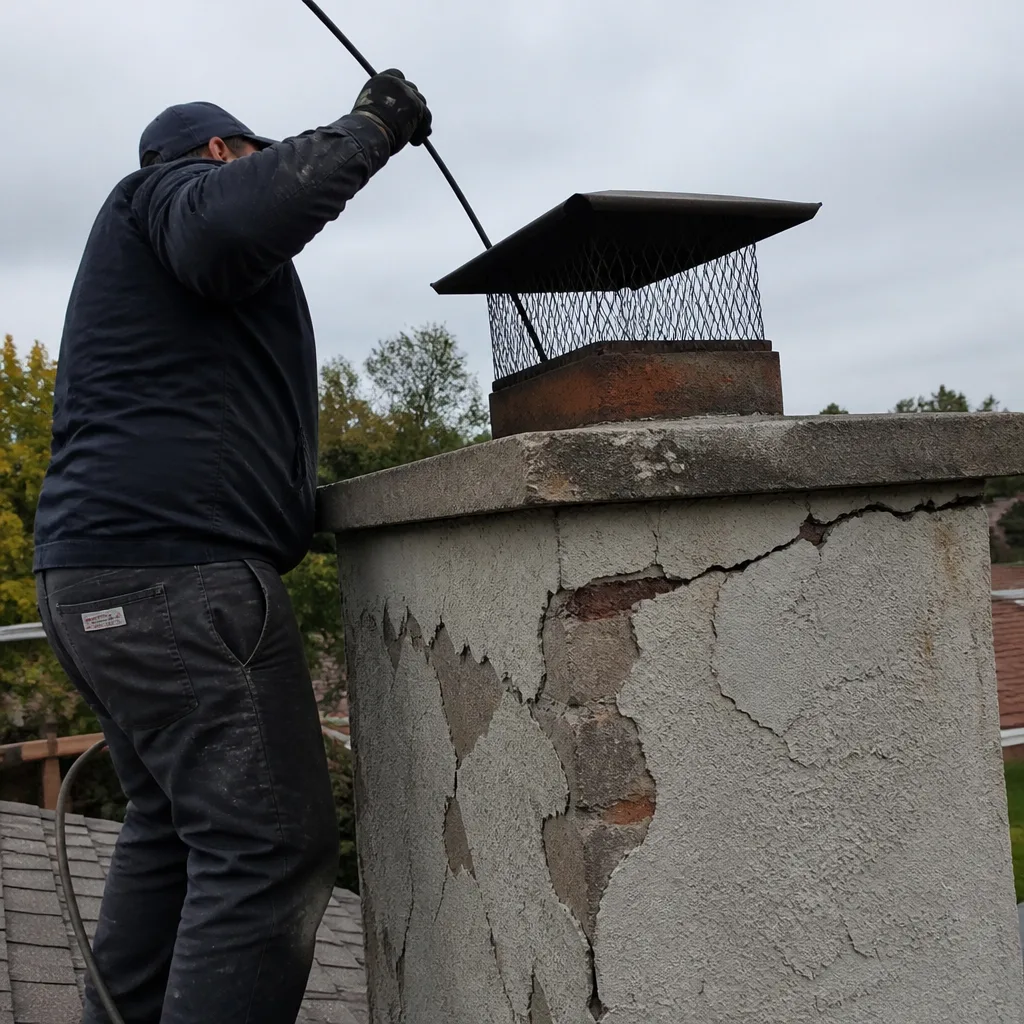 Before
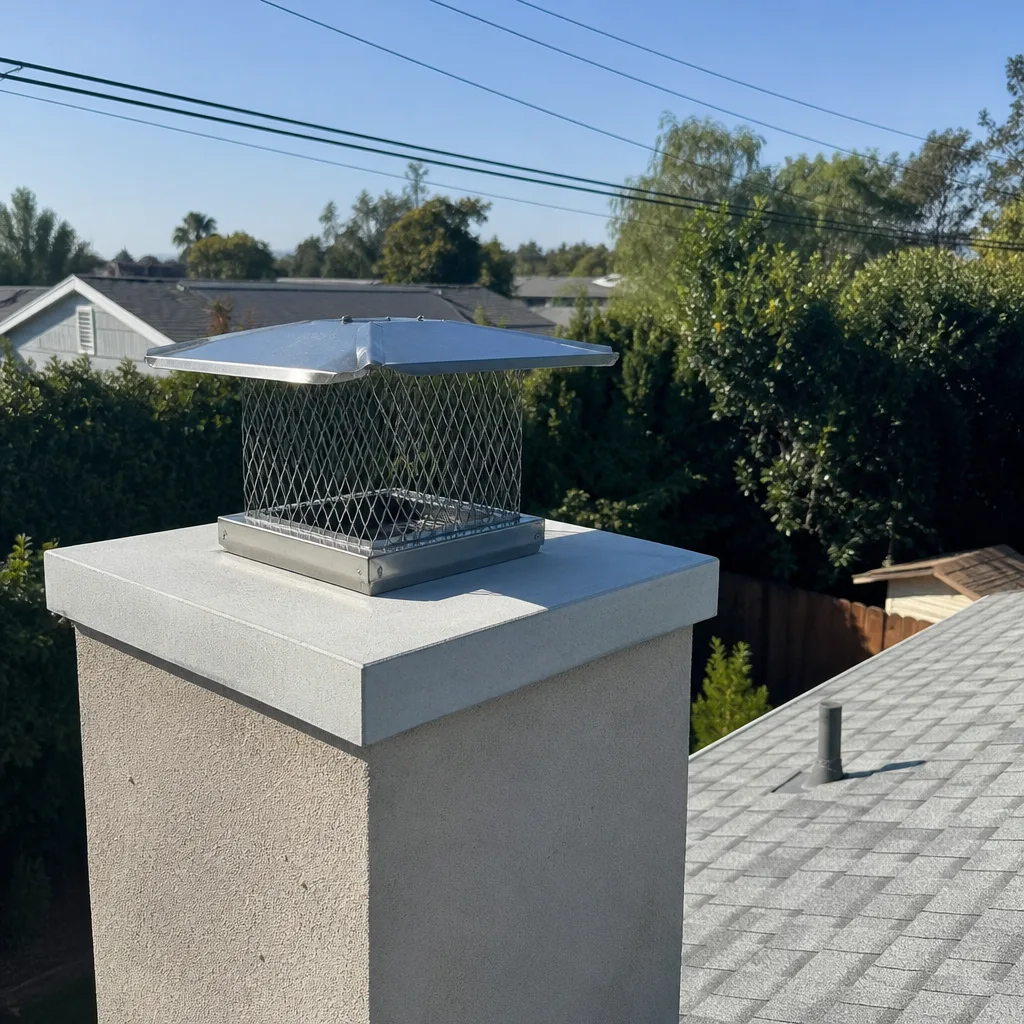 After
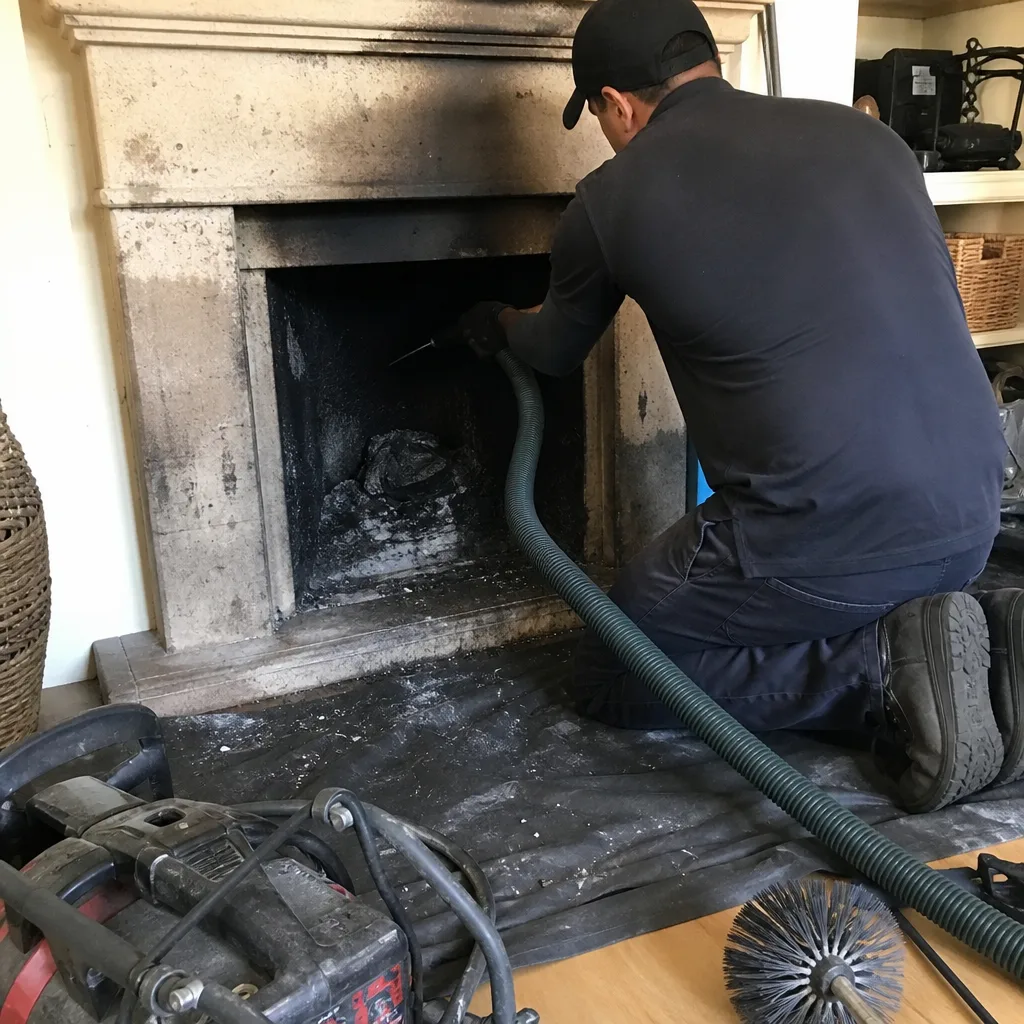 Before
 After
 Before
 After