
Last updated November 3, 2026
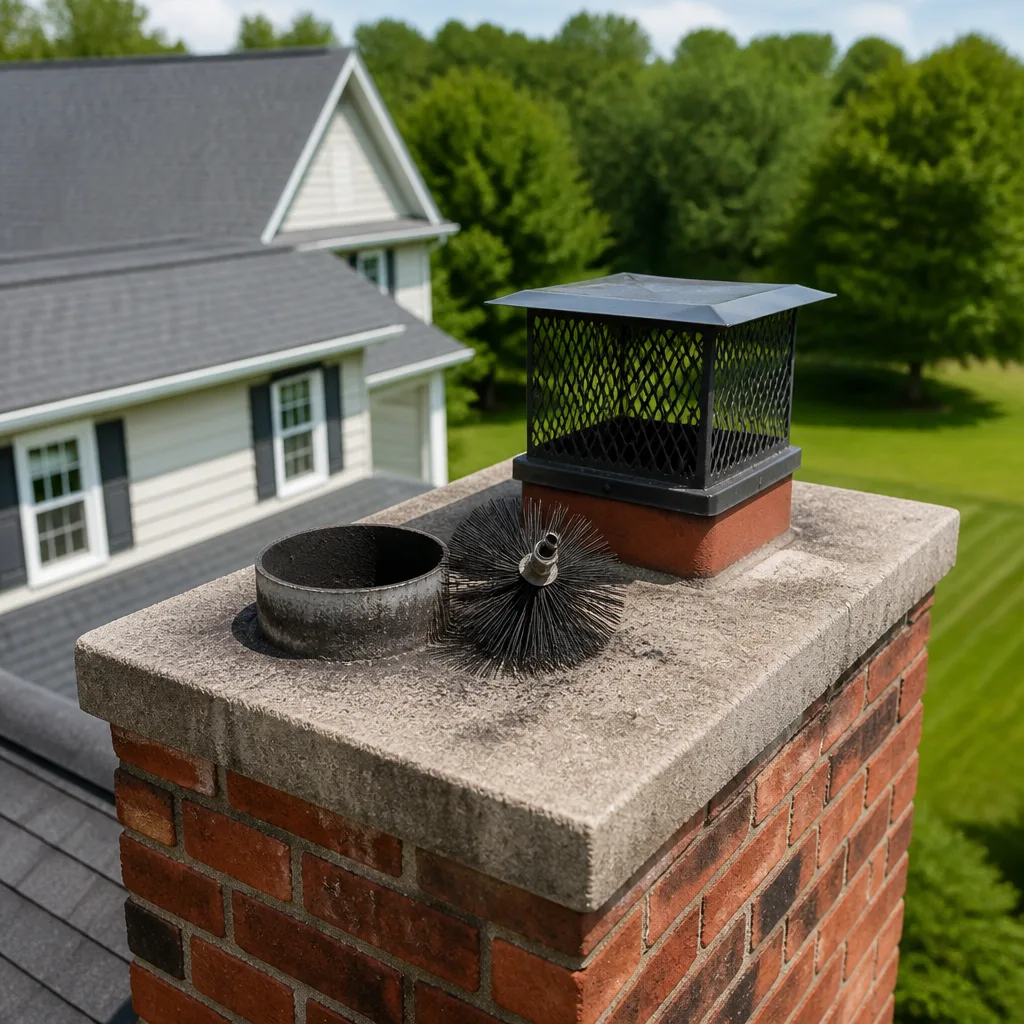 Sweep & inspection
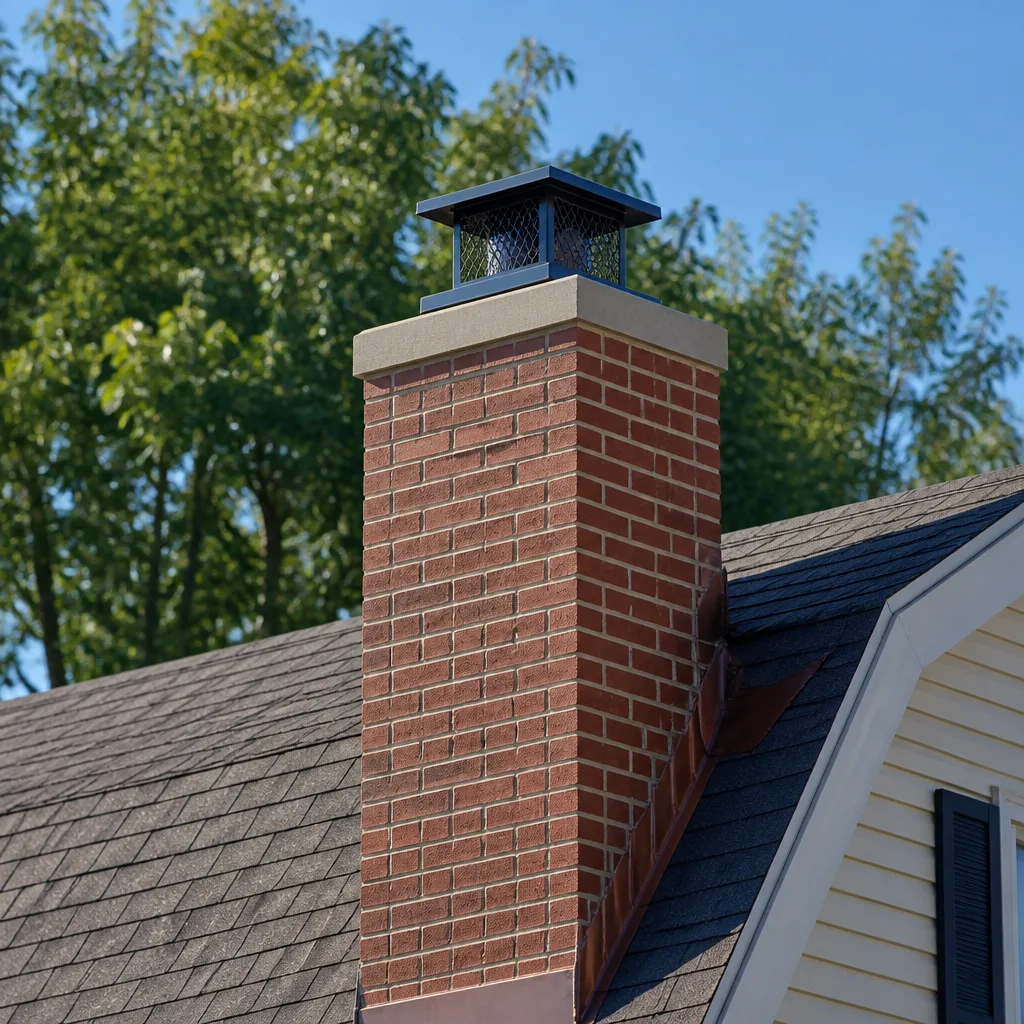 Caps & crowns
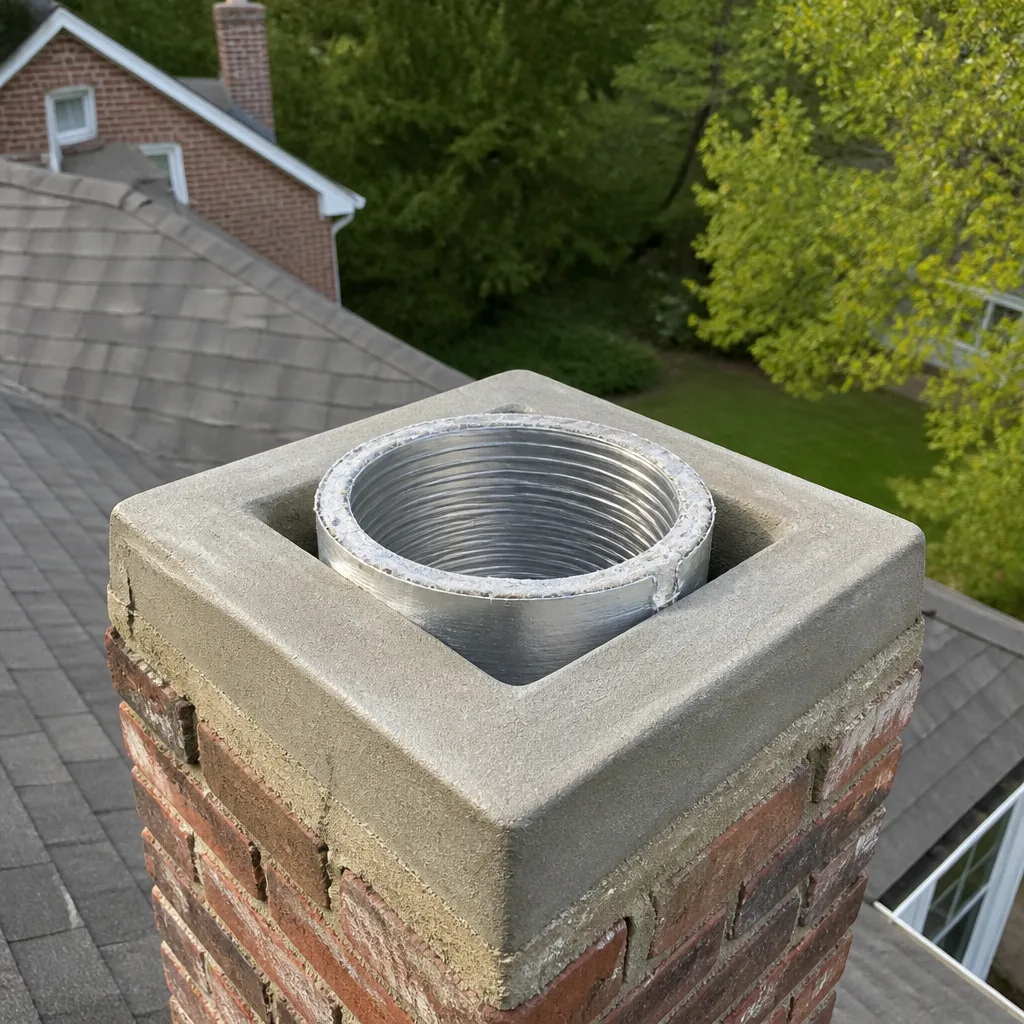 Flue relining
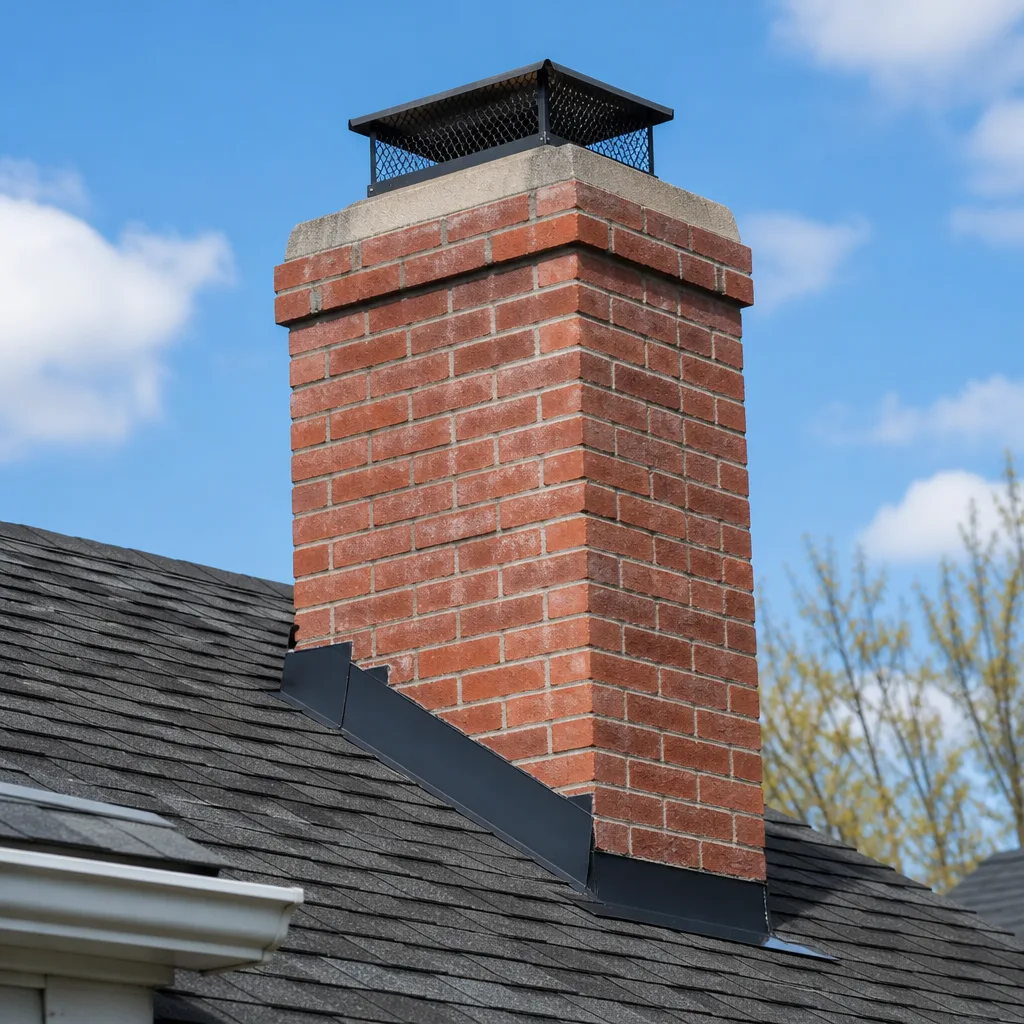 Masonry repair
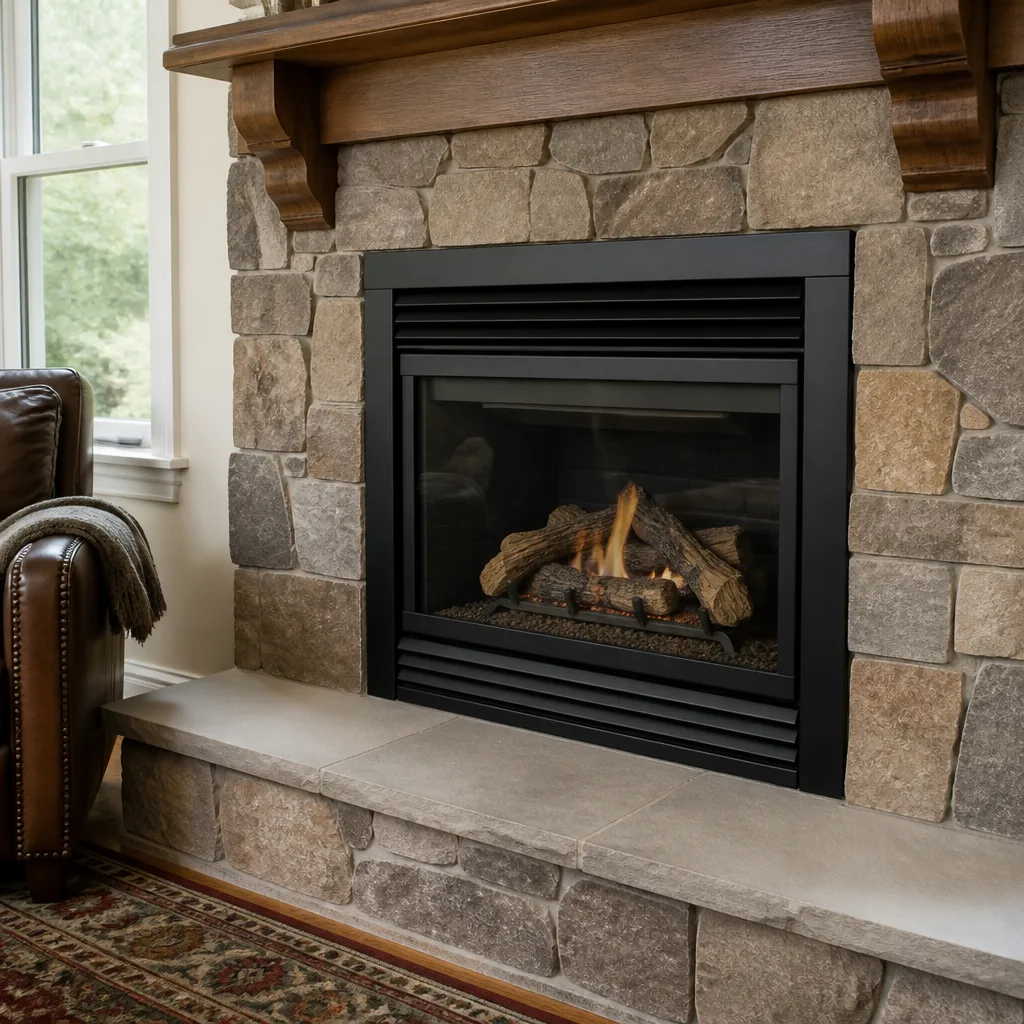 Gas fireplace service
Level 1 sweep and inspection to the NFPA 211 annual standard - flue, crown, cap, and flashing checked and photographed
Chimney sweep logs do not sweep chimneys. They loosen some creosote - which then falls where a brush and vacuum still have to collect it.
Choosing the Right Chimney Cleaning Brand: A Buyer’s Guide for Rancho Park
Most Rancho Park homeowners shop for a chimney sweep the way they’d shop for a house painter: check the price, check the reviews, book the appointment. But chimney work isn’t paint. The liner inside your flue is a combustion-containment system, and the materials used to repair or replace it carry UL listings and third-party test ratings for a reason. A contractor who substitutes an unlisted liner or an off-brand cap to shave a few hundred dollars off a quote isn’t doing you a favor. They’re introducing a component that was never engineered for the heat load, acidic condensate, and thermal cycling your chimney produces. This guide explains what professional-tier chimney materials actually are, why they matter in Rancho Park’s specific housing stock, and how to verify that the brand name on the quote is the brand that ends up in your flue. For more context, see our Complete Chimney Sweep Guide for Rancho Park Homeowners.
Styles & brands we work with
- Sweep & inspection
- Caps & crowns
- Flue relining
- Masonry repair
- Gas fireplace service
Quick Answer
The right chimney cleaning brand for Rancho Park is one that names its materials in writing and can explain why those materials were selected for your specific chimney. Look for contractors who work with specification-grade products like HeatShield ceramic resurfacing compound, DuraFlex stainless liner systems, and Copperfield or Olympia Chimney components, and who include the exact product names on every estimate. If a contractor can’t tell you what liner or repair material they’ll use, treat that silence as an answer. For a real-world reference, Chimney Sweep in Rancho Park shows what material-specific quoting looks like.
Table of Contents
- Why Chimney Materials Matter More Than Labor
- DuraFlex: What a UL 1777 Liner Actually Is
- HeatShield: When Resurfacing Beats Full Relining
- Copperfield and Olympia Chimney: What Contractor-Grade Sourcing Means
- How to Verify the Materials on Your Quote (Before Work Starts)
- The Brand-Knowledge Test: Questions That Expose a Parts-Bin Contractor
- Rancho Park Context: What Our Chimneys Actually Look Like
- The Dryer Vent Angle: Why Materials Matter Here Too
- Common Mistakes to Avoid
- When to Call a Professional
- Frequently Asked Questions
- The Bottom Line
Why Chimney Materials Matter More Than Labor
A chimney sweep’s labor is straightforward to evaluate: did they show up, did they clean thoroughly, was the flue camera-scanned before and after. The materials they use are harder to judge, because most homeowners never see them. But the liner, the crown, the cap, and the damper are where the actual safety engineering lives. A brushed-clean flue with a cracked clay liner is still a fire hazard. A new liner made from an unlisted alloy is an unknown variable in a system that reaches 1,200 degrees Fahrenheit during a chimney fire.
Here’s the distinction that matters. Professional chimney supply chains run through names like Copperfield and Olympia Chimney, which distribute products that carry third-party testing documentation, engineering specifications, and compatibility ratings. Big-box hardware stores stock consumer-grade pipe, caps, and sealant that are not tested for the conditions inside a masonry flue. The difference isn’t brand prestige. It’s whether someone, somewhere, burned the product in a controlled test and wrote down what it did.
In Rancho Park, where most homes were built between the 1930s and 1960s, this matters every single day. Our chimneys are older masonry structures, often with unlined or clay-tiled flues. The thermal mass is real, but the internal liner is the weak point. When a contractor says “you need a new liner” and then shows up with an unmarked box of flexible pipe, you haven’t solved the problem. You’ve swapped one risk for another you didn’t know you were taking.
DuraFlex: What a UL 1777 Liner Actually Is
DuraFlex is a flexible stainless steel chimney liner system manufactured by M&G DuraVent, one of the oldest venting product companies in North America. It carries a UL 1777 listing, which is the specific safety standard for chimney liners in masonry chimneys. That listing is not a marketing badge. It means the liner passed a battery of tests covering corrosion resistance, thermal performance, joint integrity, and fire containment.
What makes DuraFlex different in a Rancho Park context is its corrugated, continuous design. Older masonry chimneys in this neighborhood rarely have perfectly straight, perfectly round flue interiors. They settle. They have mortar joints that protrude. They have offsets from decades of small earthquakes and ground movement. Rigid liner sections require a straight, clean path. If the path isn’t straight, the contractor either forces the sections in (bad) or tells you the chimney needs to be rebuilt or demolished (worse). DuraFlex’s corrugated stainless body flexes around minor offsets and changes in direction without kinking or creating a gap at the joints. It’s installed as a continuous length from the appliance outlet to the termination cap, which means fewer seams and fewer failure points than sectional rigid pipe.
The alloy matters too. DuraFlex is 316L stainless steel in most residential applications, and 316L resists the sulfuric acid condensate that forms when gas appliance exhaust cools inside a cold flue. Clay liners and plain carbon steel pipes do not resist that acid. Over time, they flake, spall, and fail. If your Rancho Park home has a gas furnace or gas water heater venting into the chimney, the liner you choose should be an alloy rated for that application, not a generic “stainless” that means nothing.
One more thing about the UL 1777 listing: it requires the liner to be installed with a listed termination kit. The cap, the flashing, the top plate, the storm collar. When a contractor quotes a DuraFlex liner, that quote should include the listed termination components. If it doesn’t, ask why.
HeatShield: When Resurfacing Beats Full Relining
HeatShield is a ceramic resurfacing system designed specifically to restore damaged clay tile flue liners. Instead of tearing out the old tile and dropping in a new metal liner, HeatShield applies a ceramic compound to the interior surface of the existing flue. The compound bonds to the clay, fills cracks and gaps, and creates a smooth, continuous, heat-resistant wall.
This isn’t paint. It’s a high-temperature ceramic formula that has been fire-tested. The application process is methodical: the flue is swept first, then camera-inspected to map the damage, then the compound is applied in passes using a spinning application head, then the finished surface is re-inspected with a camera. The result is a restored flue that does what the original clay tile was supposed to do, without the cost and disruption of a full stainless relining.
HeatShield is not always the right answer. If the masonry structure around the flue is compromised, if the liner has collapsed entirely, or if the flue is separated at a joint, a structural solution like DuraFlex may be necessary. But for the most common Rancho Park scenario, a clay liner with degradation in the upper third, especially from years of roof leaks or condensing exhaust, HeatShield can be a legitimate, code-compliant alternative to full relining. The key is the before-and-after camera report. A contractor using HeatShield properly will show you the cracks on the pre-sweep video and the sealed surface on the post-application video. No camera, no deal.
We use HeatShield at Chimney Sweep Rancho Park because it fills a real gap between “sweep it and risk it” and “replace everything.” The right liner for the job is sometimes the liner you already have, restored to spec.
Copperfield and Olympia Chimney: What Contractor-Grade Sourcing Means
Copperfield Chimney Supply and Olympia Chimney are two of the most recognized names in professional chimney distribution. Neither one is a brand you’ll find on a shelf at a home center. These are supply chains that serve chimney-specific contractors exclusively. That matters because the products they distribute are built for the application, not for the impulse-buy aisle.
Copperfield distributes everything from stainless liner components to caps, dampers, waterproofing, and masonry repair products. When a chimney sweep orders through Copperfield, they’re pulling from the same inventory professional contractors use nationwide, which means access to specific product lines like Gelco caps and termination components. Olympia Chimney fills a similar role on the East Coast and now nationally, with a focus on stainless chimney liners, caps, and accessories. Both companies exist because chimney work is a trade with specific, non-generic component needs.
Here’s what contractor-grade sourcing means in practice. If your chimney needs a new cap, a contractor buying through Copperfield can order a Gelco cap in the exact size and material for your flue, with a proper mesh screen and termination profile. A handyman buying from a big-box store gets whatever cap fits the shelf, whether it fits your flue or not. The difference isn’t aesthetic. An undersized cap restricts draft. A mismatched cap leaks. A cap without the right mesh lets birds and embers through. These are functional specs, not brand preferences.
When you’re comparing quotes in Rancho Park, asking “where do you buy your caps and dampers?” is a more revealing question than “how much do you charge?” The answer tells you whether the contractor is sourcing from professional distribution or from the same place you’d buy a screen door.
How to Verify the Materials on Your Quote (Before Work Starts)
The most common materials complaint we hear in Rancho Park is straightforward: the quote said one thing, the work used another. Homeowners rarely catch it because they never see the liner, the cap, or the dampers up close after installation. Here’s how to verify what you’re paying for before the work begins.
- Get the exact product name in writing. Not “stainless liner.” Not “high-quality cap.” Ask for the manufacturer and model: “DuraFlex 6-inch liner, UL 1777 listed” or “Gelco stainless cap, specific model.” If the contractor resists naming the product, that’s a signal.
- Ask for the UL listing or test documentation. A UL 1777 liner has a listing mark and a certification number. A HeatShield application carries its own fire-test documentation. Reputable contractors can show you the paperwork without blinking.
- Ask to photograph the product packaging before installation. The liner, cap, and damper should arrive in labeled manufacturer packaging. Ask the contractor to set the packaging aside or photograph it before the crew starts. If the product arrives in plain cardboard or no packaging at all, that’s another signal.
- Request a post-installation camera inspection. After the liner or repair goes in, the flue should be camera-scanned and the footage shared with you. This shows the product actually installed, not just quoted. We do this as standard practice because it also protects us: the camera doesn’t lie, and neither should the work.
- Check the contractor’s supply chain. Ask where the materials were sourced. “Copperfield” or “Olympia Chimney” are answers that signal professional distribution. “The hardware store” is an answer that should prompt more questions.
None of this requires you to become a chimney expert. It requires you to ask one question and insist on a specific answer: what exactly is going into my chimney, and how do I know that’s what it is?
The Brand-Knowledge Test: Questions That Expose a Parts-Bin Contractor
There’s a simple test that separates a specification-minded chimney contractor from a parts-bin operator: ask why. Not what, not how much, but why. Why this liner, not that one? Why HeatShield instead of a full reline? Why this cap instead of the cheaper one? A contractor who actually understands their materials can answer those questions in thirty seconds. A contractor who picked the cheapest product available usually can’t answer them at all.
Here’s the brand-knowledge test, in four questions:
- “Why are you recommending this specific liner material for my chimney?” The right answer references your flue condition, your appliance type, and the properties of the chosen material. “Because it’s what we use” is not an answer.
- “What’s the difference between the product you’re quoting and the generic version at the hardware store?” The right answer talks about alloy grades, UL listings, temperature ratings, or installation tolerances. If the contractor has never thought about the difference, they’ve been installing by habit, not by spec.
- “Can you show me the manufacturer’s testing documentation for this product?” The right answer is yes, and the documentation comes out of a folder or an email chain, not a shrug.
- “What happens if the material fails in two years?” The right answer references manufacturer warranties, real-world failure rates, and what the contractor’s own accountability process looks like. No contractor should be promising zero failures. They should be able to explain what happens when one occurs.
We’ve seen contractors in Rancho Park who couldn’t name the alloy in the liner they were installing. That’s not a red flag. That’s an answered question. A clean flue isn’t a luxury; it’s how your system is supposed to work. But a flue lined with an unknown product is a system working on faith.
Rancho Park Context: What Our Chimneys Actually Look Like
Rancho Park is one of the few Westside neighborhoods where a significant share of the housing stock predates World War II. Many homes along and off Pico and Westwood Boulevards were built in the 1930s and 1940s with masonry fireplaces that have never been relined or structurally rebuilt. The original clay tile liners are now 80 to 90 years old. Some are still intact. Many are not.
This neighborhood also has a distinct microclimate factor. Rancho Park sits far enough from the coast that marine layer moisture burns off later and returns earlier than in Santa Monica or Venice. Chimneys here spend more hours per year damp than in drier inland areas. That moisture interacts with creosote to form a more corrosive compound, and it accelerates the freeze-thaw spalling in clay liners that are already cracked. When a liner cracks, moisture penetrates further, and the damage compounds season over season.
What this means for material choices is specific. In Rancho Park, a clay liner with minor deterioration is quite common, and HeatShield resurfacing is often a genuinely better fit than full relining. The deterioration is surface-level, the masonry structure is sound, and the homeowner benefits from a solution that addresses the actual condition without overbuilding. But when the liner is collapsed or the masonry is compromised, DuraFlex is the specification-grade answer: flexible enough for older, slightly irregular flues, corrosion-resistant enough for our moisture conditions, and UL-listed for the thermal loads a masonry chimney produces.
If you have a gas appliance venting through your Rancho Park chimney, the calculus changes again. Gas exhaust is cooler and wetter than wood smoke. The condensate it produces is acidic. A DuraFlex 316L liner handles that. A clay liner does not, which is why we see accelerated clay liner failure in homes that converted from wood to gas decades ago without relining. The chimney wasn’t rebuilt for the apppliance, and the material mismatch shows.
The Dryer Vent Angle: Why Materials Matter Here Too
Dryer vent cleaning is not a chimney service in the traditional sense, but it belongs in any conversation about combustion-exhaust safety. A clothes dryer moves hot, lint-laden air out of your home through a duct that, like a chimney flue, is a pressure envelope. When that duct is restricted, the consequences are not as dramatic as a chimney fire, but they’re statistically more common. The National Fire Protection Association has repeatedly identified dryers as a leading cause of residential structure fires, and the leading cause of dryer fires is restricted airflow from lint accumulation.
Materials matter in dryer venting for the same reason they matter in chimney venting: the duct is part of a system, and cheap components fail predictably. Foil flex duct, the kind sold in a bag at a hardware store, is prone to sagging, crushing, and trapping lint at every bend. Semi-rigid aluminum and smooth rigid ducts are the professional standard. Termination caps with proper flap dampers keep pests out and prevent backdrafting. These are the kinds of components a chimney and vent specialist sources through professional channels like Famco, which manufactures a broad line of venting and termination products. A generalist using whatever fitting is closest to the register is not thinking about airflow dynamics; they’re thinking about finishing the job.
In Rancho Park, where many laundry rooms are in converted garages or tight interior closets with long duct runs, these details matter more. A 25-foot duct run with four bends and a sagging foil transition is a lint trap with a heating element at one end. The cleaning part matters, but if the duct itself is constricted or misrouted, cleaning every year won’t fix the problem. It’ll just treat the symptom. If you’re going to have the vent cleaned, have the duct evaluated at the same time. Dryer Vent Cleaning in Rancho Park includes exactly that kind of airflow and material assessment, because a clean duct that’s still kinked is not fixed.
Common Mistakes to Avoid
- Choosing a sweep by price alone. Rancho Park has a range of chimney service prices, and the cheapest quote is often cheap because the contractor is using unlisted materials. The liner is the last place to save money.
- Accepting a quote that doesn’t name the product. “We’ll install a new liner” is not a quote. It’s a placeholder. If the offer doesn’t say DuraFlex, HeatShield, or an equivalent named system, the materials are a mystery.
- Assuming all stainless steel is the same. It isn’t. 316L, 304, and “stainless” are three different things. The alloy matters for corrosion resistance, especially with gas appliance condensate.
- Skipping the camera inspection. Any contractor who offers to reline or resurface a flue without a pre-inspection camera scan is guessing. A blind quote is a future problem.
- Treating chimney and dryer vent safety as separate services. They’re both exhaust paths, and a contractor who handles both thinks in terms of airflow, pressure, and termination. That’s the right frame.
- Deferring a liner repair because the fireplace still “works.” A cracked liner doesn’t always produce visible symptoms until the condition is advanced. The fireplace can draft fine while the flue is degrading, and the first sign of failure might be smoke in the walls or worse.
- Falling for scare-sell tactics. A reputable chimney contractor can explain exactly what’s wrong, show you the camera footage, and tell you plainly whether work can wait. If the pitch is based on fear rather than evidence, get a second opinion.
When to Call a Professional
Call a chimney professional if you’ve never had the flue camera-inspected, if you can see spalling or flaking on the interior flue walls, if you smell smoke after the fire is out, or if a home inspector flagged the liner as questionable. Call before you convert a wood fireplace to gas, because the liner requirements change. Call if your dryer takes longer than 40 minutes to dry a normal load, if the laundry room is hotter than it used to be, or if the dryer vent flap outside isn’t opening during a cycle. These are airflow problems, and airflow problems in exhaust systems are safety problems. Chimney Repair in Rancho Park covers the structural side when the liner or masonry is the issue, and Chimney Sweep Rancho Park offers free estimates in Rancho Park. Call (877) 326-6276 if you want a camera-based assessment with material-specific recommendations.
Frequently Asked Questions
A standard chimney sweeping in Rancho Park typically runs $180 to $300 for a single flue with a basic inspection, though homes with heavy creosote buildup, multiple flues, or difficult roof access may fall outside that range. For a deeper look at what proper cleaning involves, see The Complete Chimney Sweep Guide for Rancho Park Homeowners. The more important number is what a sweep finds: a camera inspection can reveal liner damage that changes the scope of work entirely. Call (877) 326-6276 for an exact quote based on your chimney’s condition, not a generic price sheet.
UL 1777 is the safety standard for chimney liners installed in masonry chimneys, covering corrosion resistance, joint integrity, and fire containment under controlled test conditions. A liner that carries this listing has been independently tested to perform under the exact conditions a chimney produces, while an unlisted liner has no such verification. DuraFlex is one of the most widely installed UL 1777 listed liner systems in the United States.
It depends on the condition of the existing clay tile. If the liner has surface cracks and minor deterioration but the masonry structure around it is sound, HeatShield ceramic resurfacing is often a legitimate, code-compliant alternative to full relining. If the liner has collapsed, separated, or the masonry is compromised, a UL-listed stainless liner like DuraFlex is the correct specification. The decision should be made from camera footage, not from the roof or from a sales pitch.
The National Fire Protection Association standard, NFPA 211, recommends a chimney be swept whenever there is 1/8 inch or more of creosote accumulation, which for most Rancho Park homes with regular wood burning translates to once a year. Homes that burn green or unseasoned wood, use the fireplace daily, or have older unlined chimneys may need sweeping more often. The camera inspection tells you whether the interval should be shorter.
Creosote builds in layers, and once the accumulation reaches a certain thickness, it becomes the fuel for a chimney fire. A chimney fire can reach 2,000 degrees Fahrenheit, crack the flue liner, and expose combustible framing inside your walls to direct flame. Even without a fire, restricted draft pushes smoke and carbon monoxide back into the home. The risk isn’t theoretical; it’s a function of time and use. Call (877) 326-6276 to get a camera-based assessment of your current creosote level.
A hardware store brush can clear loose lint from the first few feet of a duct run, but it cannot remove compacted lint from a long, multi-bend duct, cannot assess airflow with a pressure gauge, and cannot inspect the termination cap where many restrictions actually occur. Professional-level dryer vent cleaning uses rotary tools and camera inspection through the full duct run, and includes checking whether the duct material itself is safe, which foil flex often is not. For Rancho Park homes with long duct runs in converted laundry spaces, this matters a lot.
The Bottom Line
The right chimney cleaning brand for Rancho Park is the one that treats materials as a safety specification, not a purchasing decision made by the lowest bidder. DuraFlex, HeatShield, Copperfield, and Olympia Chimney aren’t brand names to impress you. They’re supply-chain signals that the contractor works to a professional standard. Before you book a sweep, a relining, or even a dryer vent cleaning, ask what products will be used, ask for the documentation, and ask to see the package or the camera footage. A contractor who can answer is worth keeping. One who can’t is answering by omission. Chimney sweep, repair, and dryer vent work is one system-category in your home, and in Rancho Park it’s worth treating that way: one company, one call, one standard for the materials that keep the exhaust going out instead of staying in. For an assessment that names its materials on the quote, call Chimney Sweep Rancho Park at (877) 326-6276.
Written by the team at Chimney Sweep Rancho Park, serving Rancho Park since 2011.
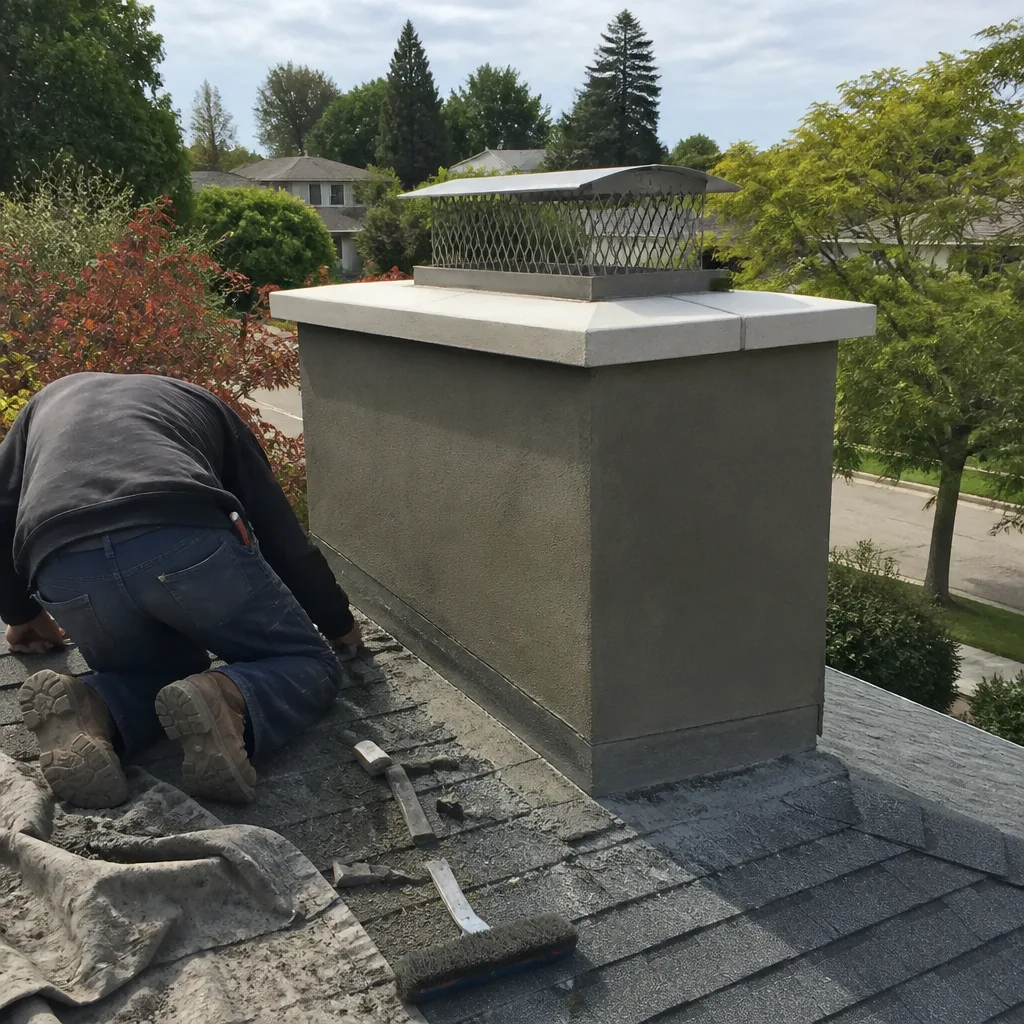
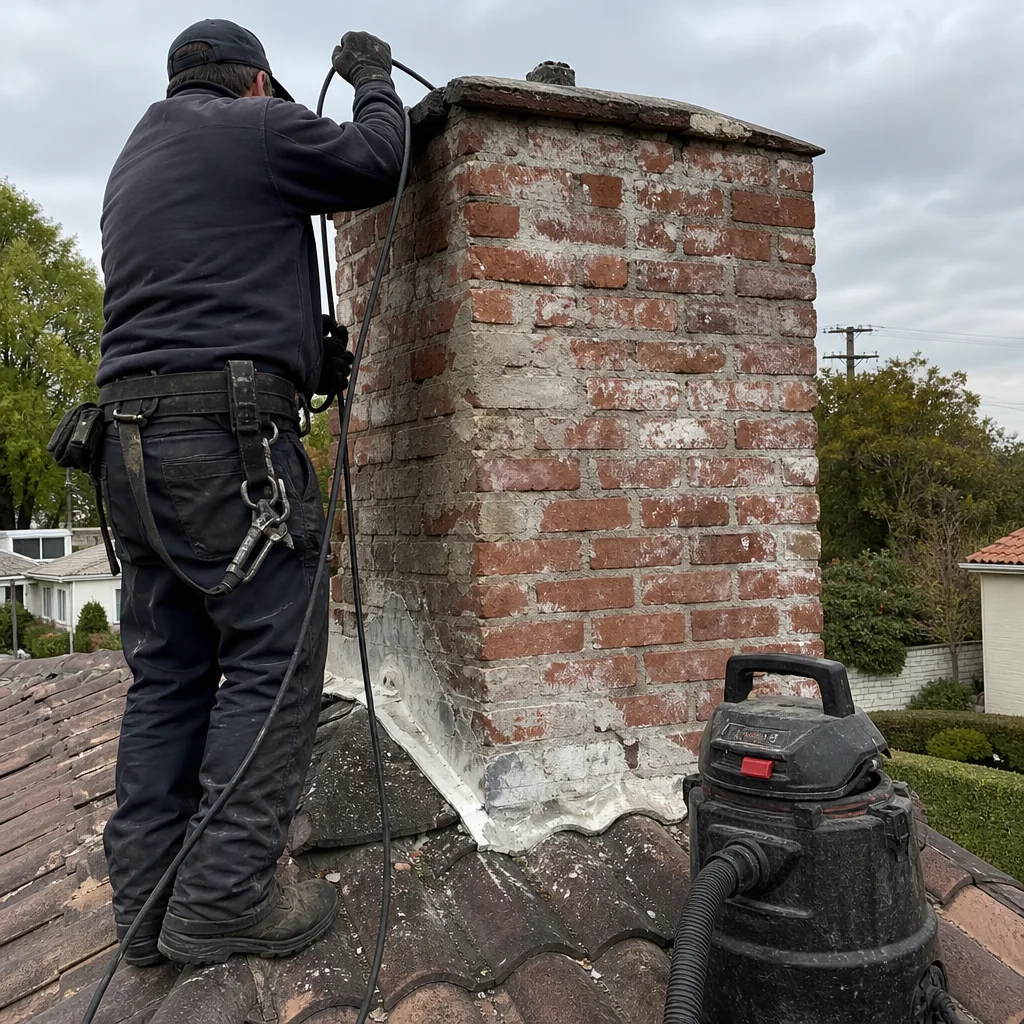
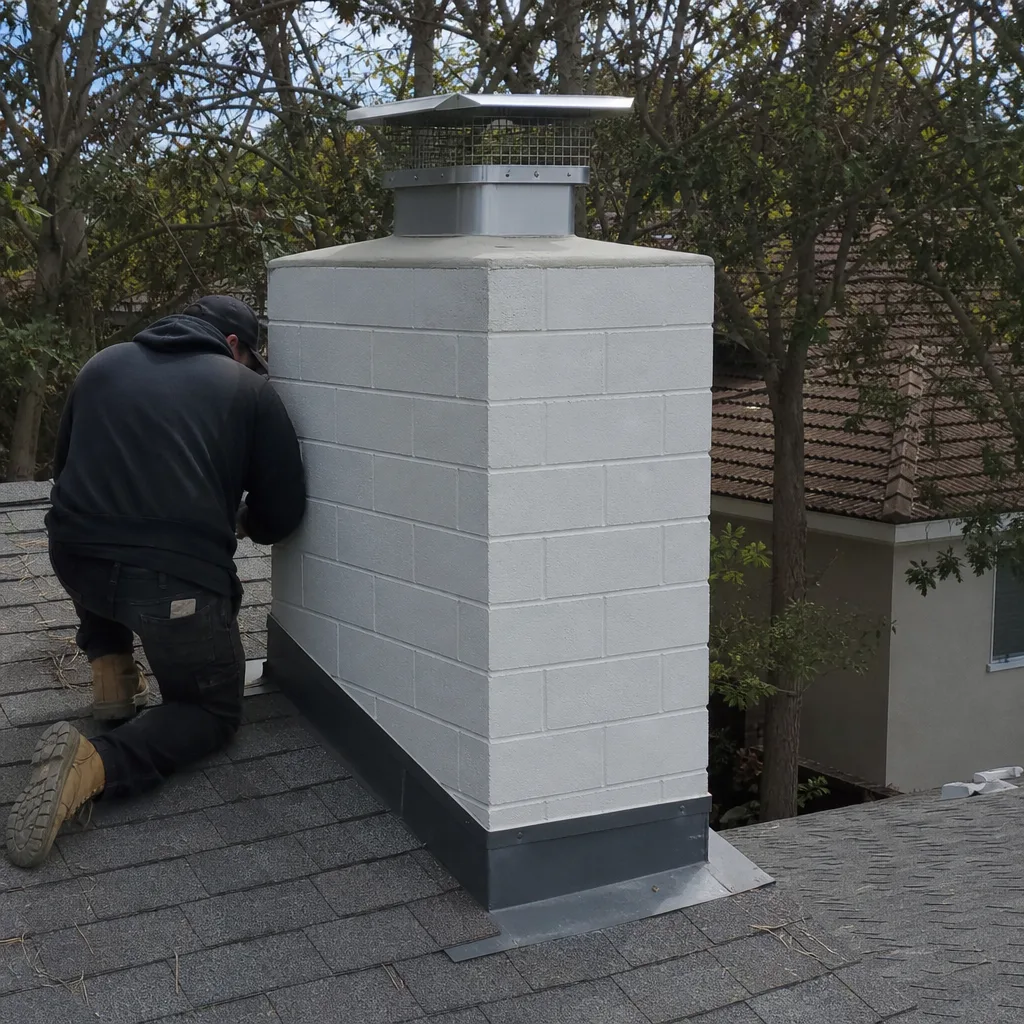
See the difference
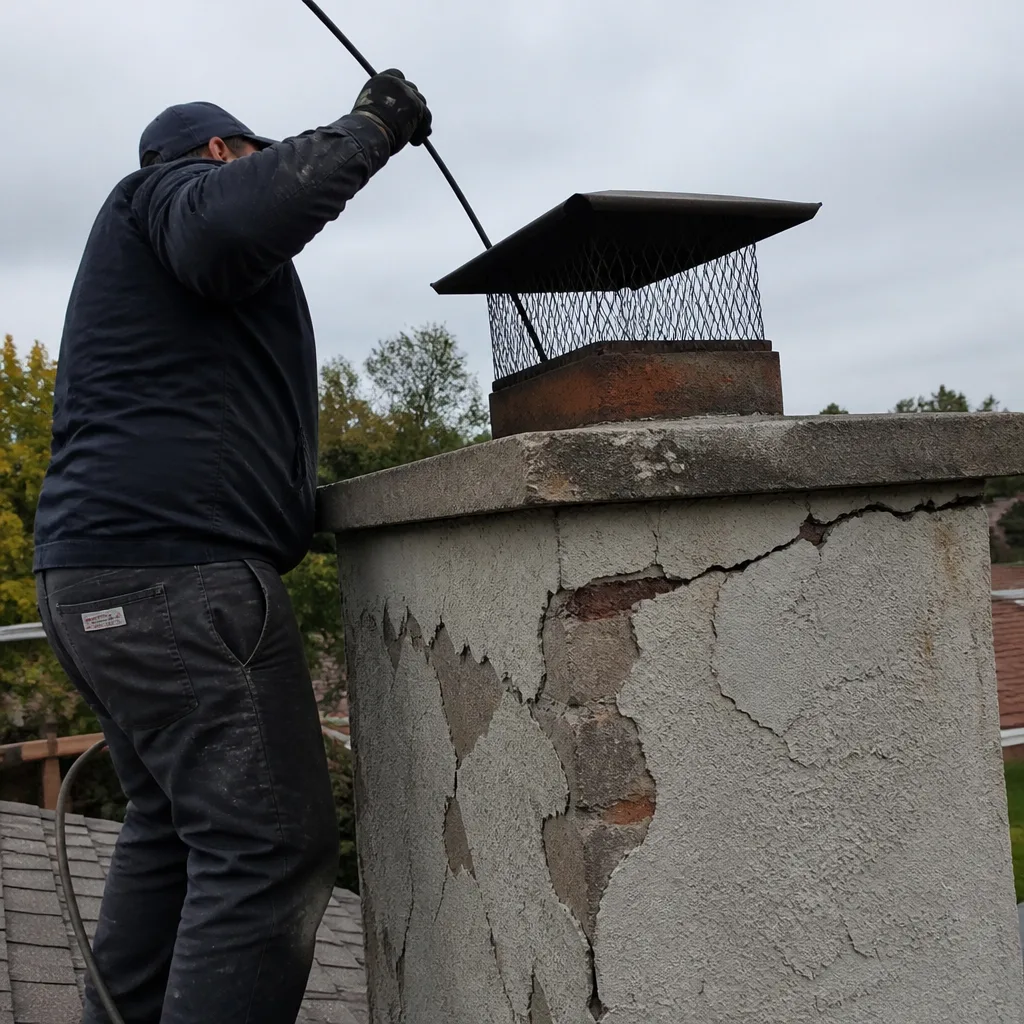 Before
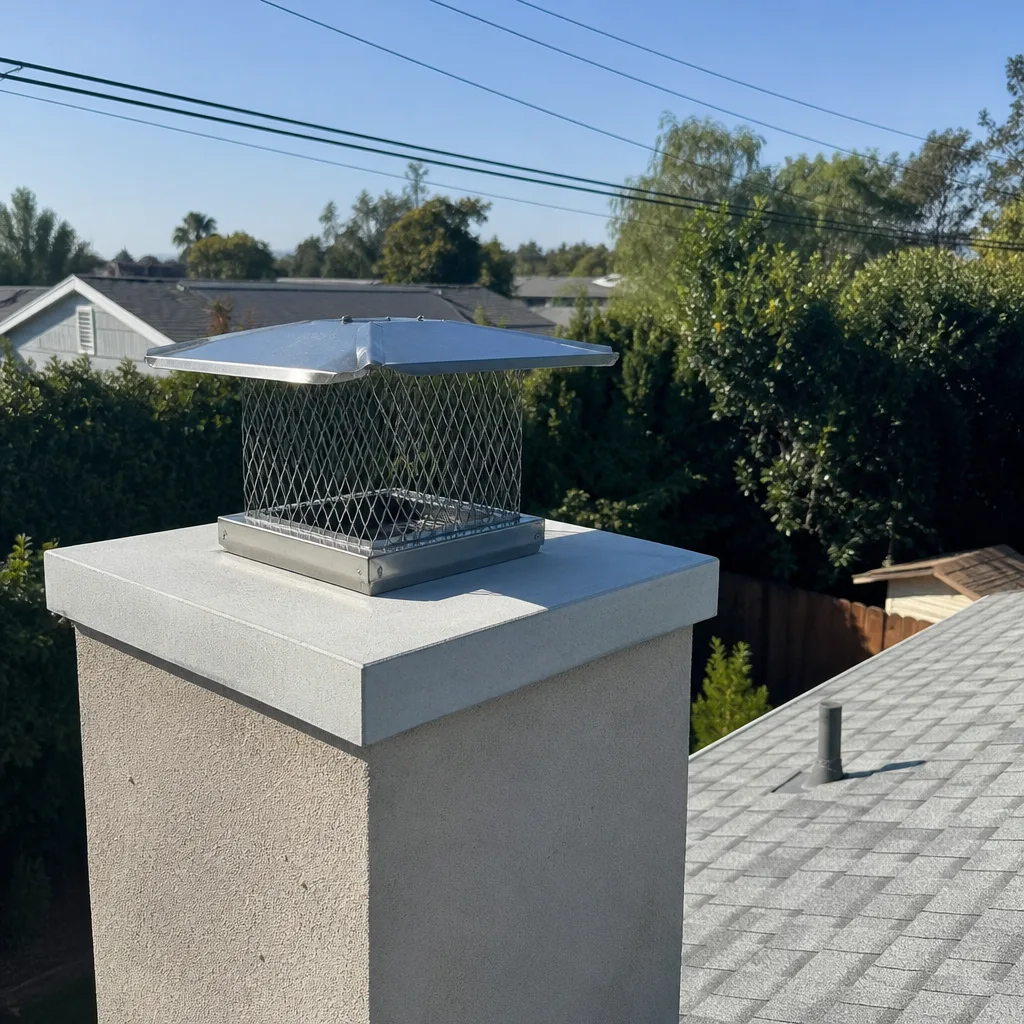 After
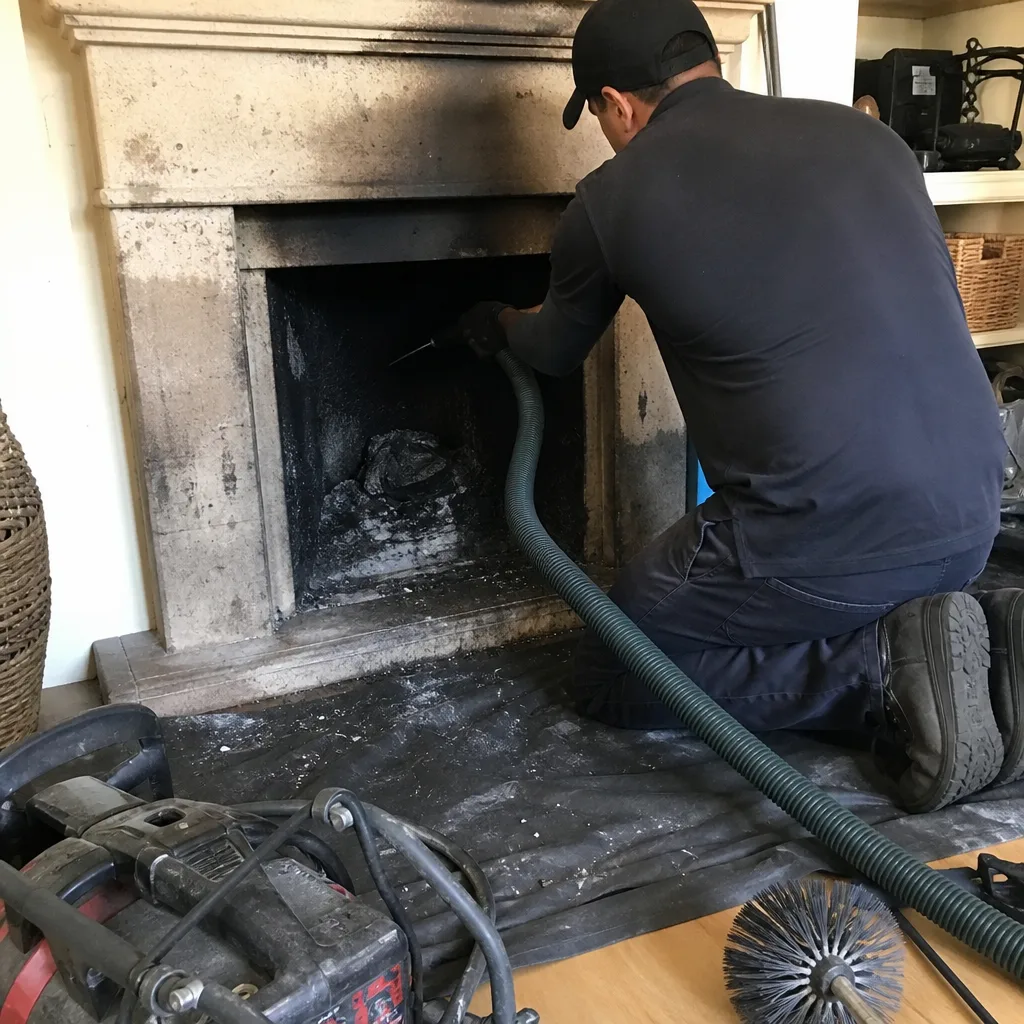 Before
 After
 Before
 After