
Last updated November 2, 2026
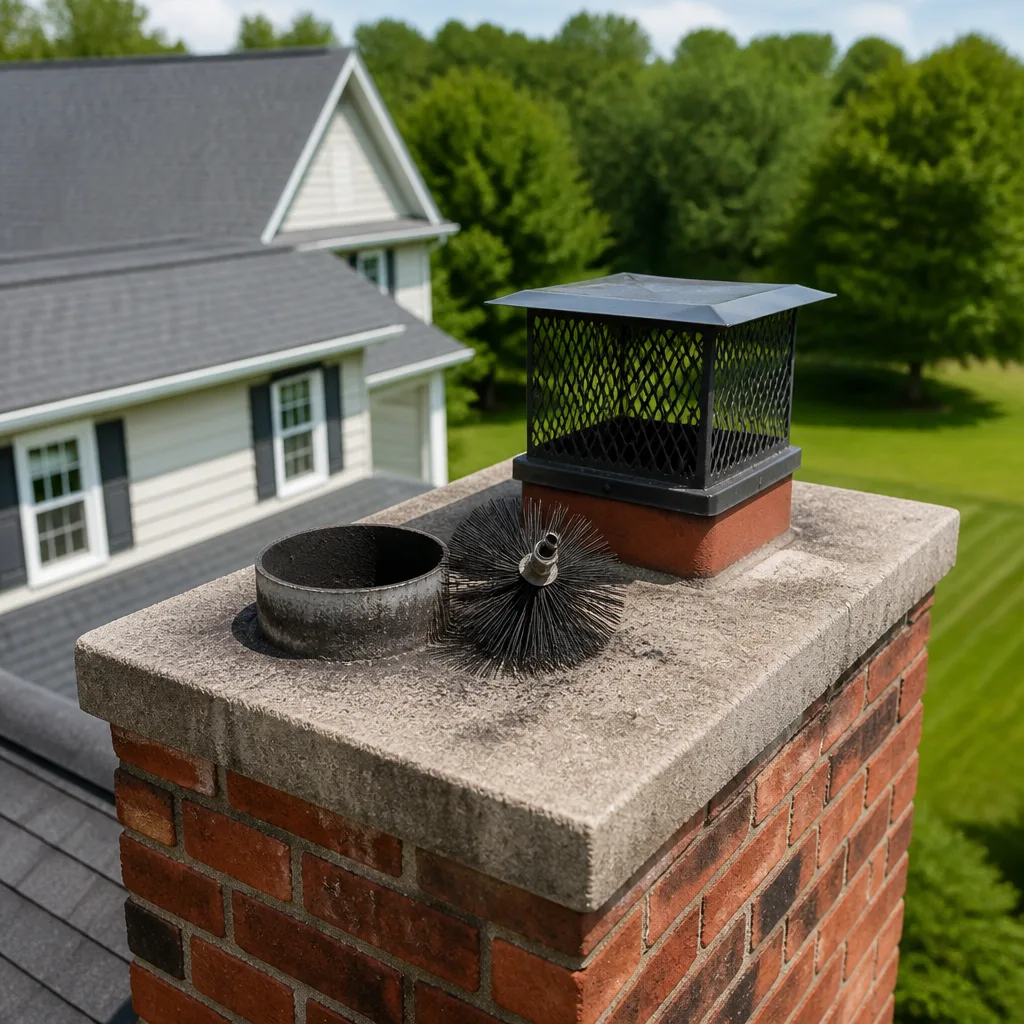 Sweep & inspection
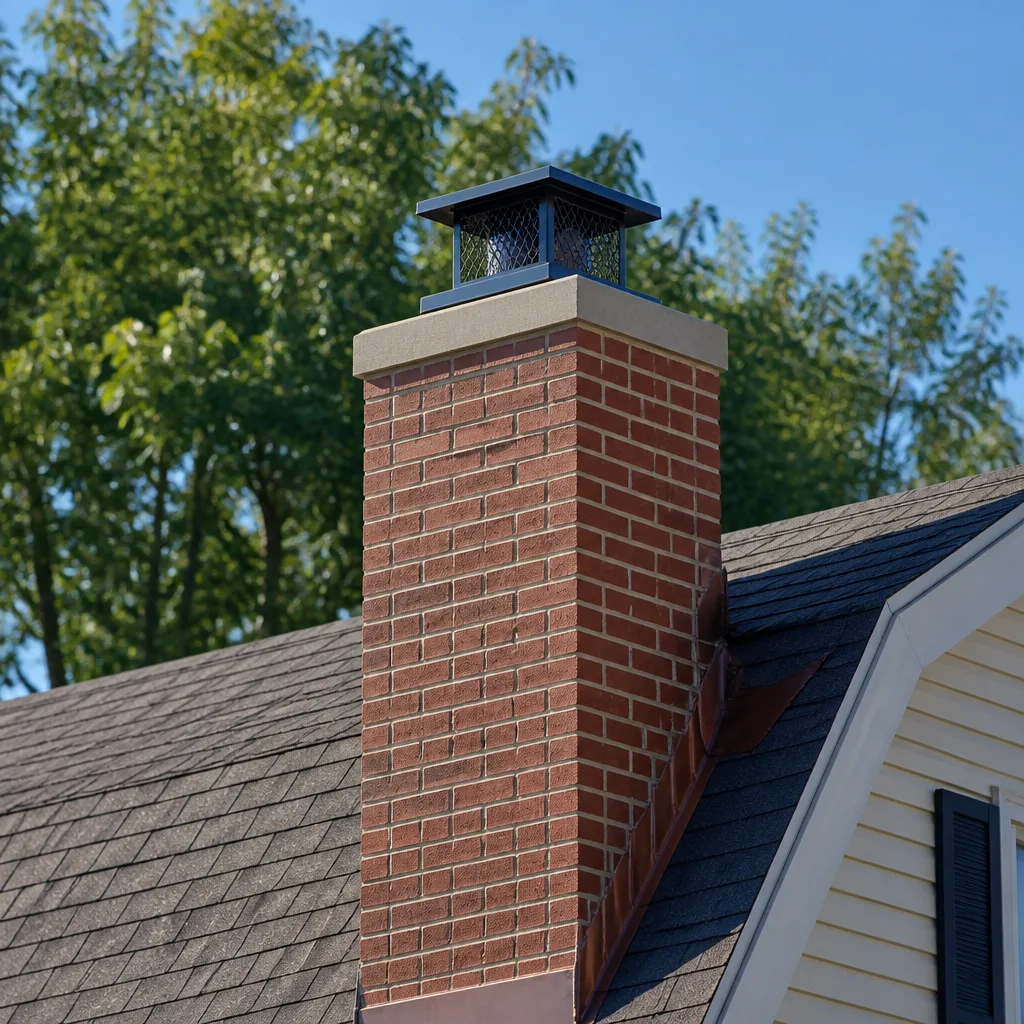 Caps & crowns
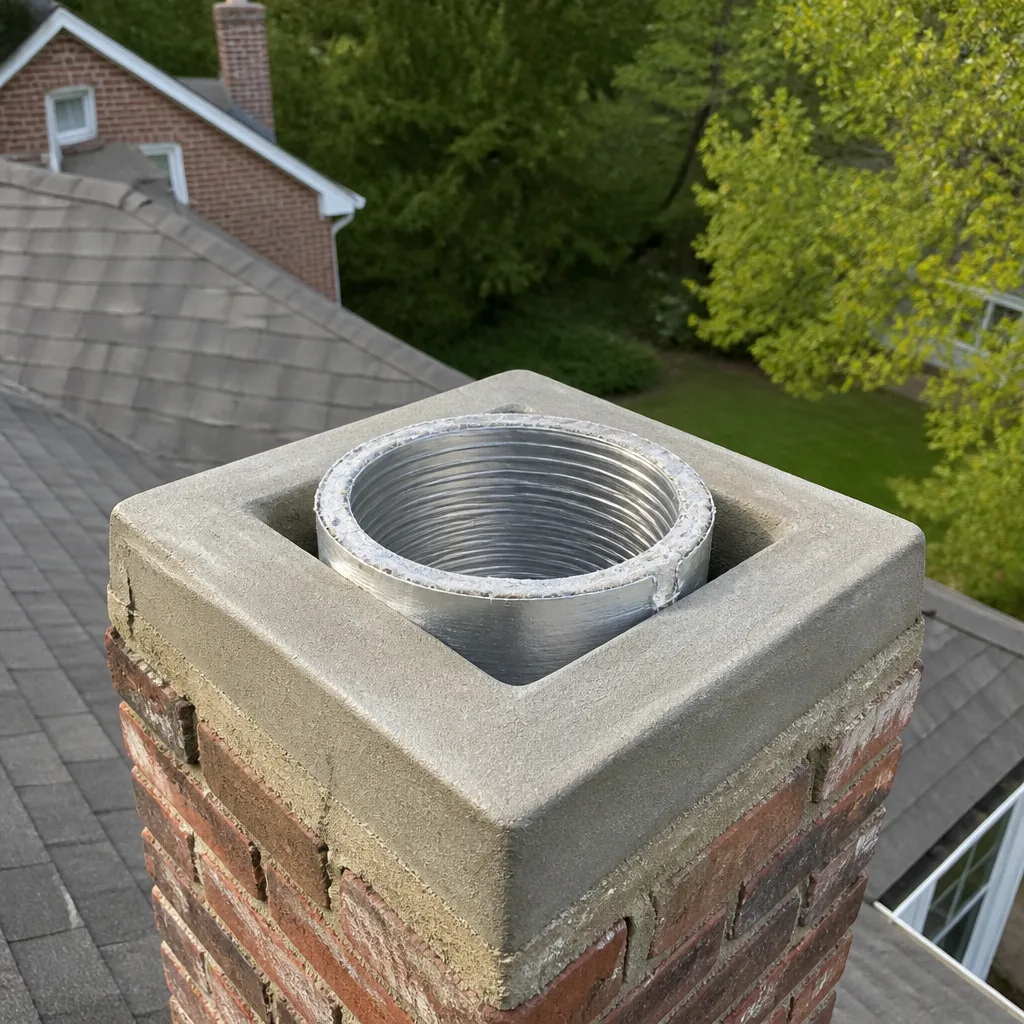 Flue relining
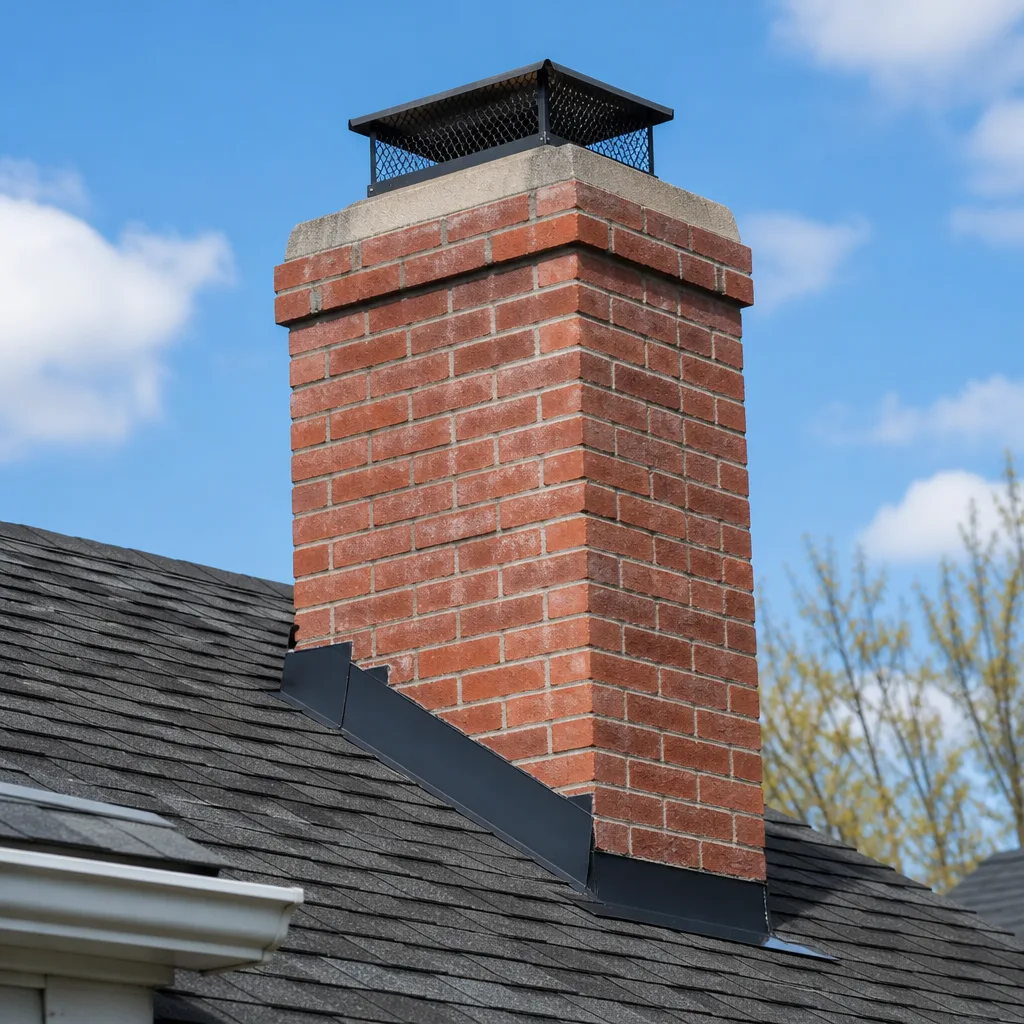 Masonry repair
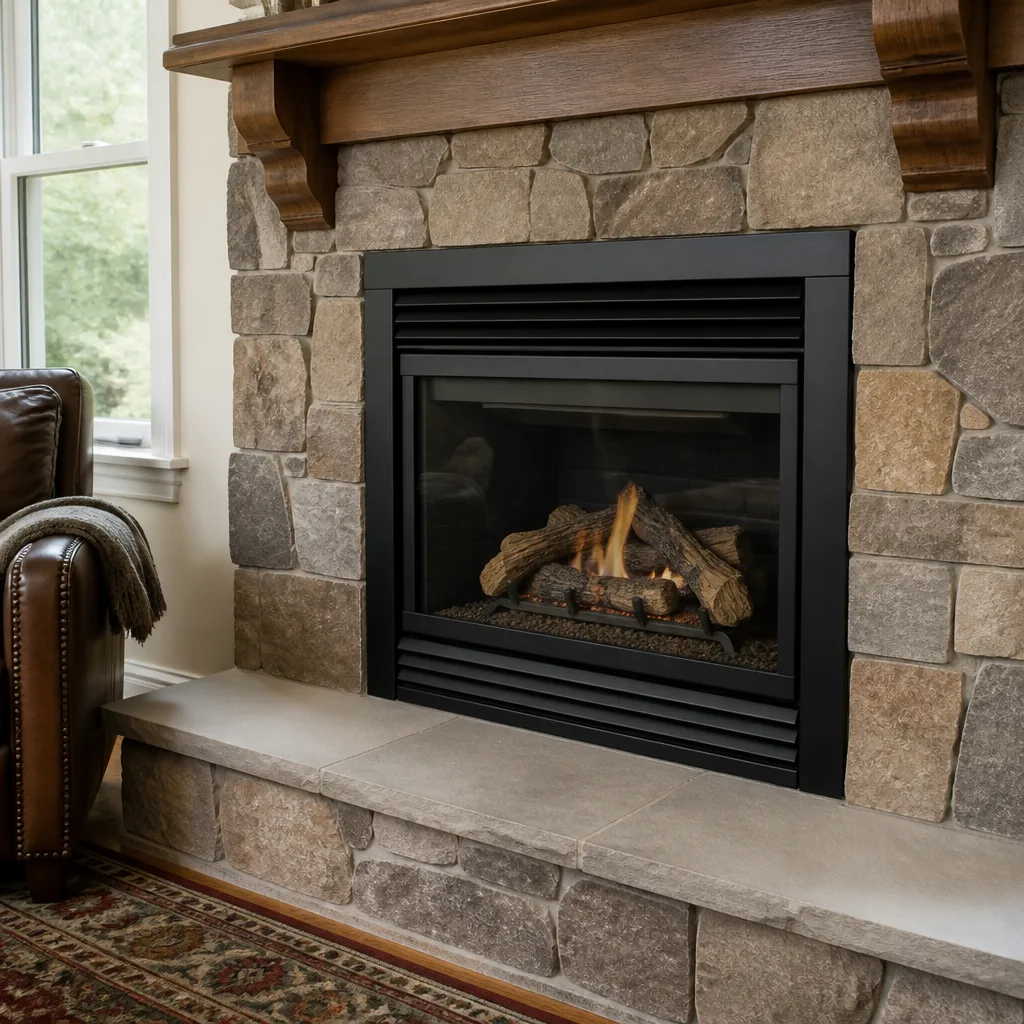 Gas fireplace service
Level 1 sweep and inspection to the NFPA 211 annual standard - flue, crown, cap, and flashing checked and photographed
Chimney sweep logs do not sweep chimneys. They loosen some creosote - which then falls where a brush and vacuum still have to collect it.
Chimney Sweep Maintenance Checklist for Rancho Park Homeowners
Most chimney maintenance checklists floating around online were written for wood-burning homes in cold climates that use their fireplace 80+ nights a year. That advice is nearly useless for the typical Rancho Park home, where gas log inserts, occasional wood fires, and a marine-layer-adjacent climate create entirely different failure patterns. This guide replaces generic seasonal reminders with a component-specific inspection framework calibrated to the fireplace system you actually have: masonry wood-burning, prefab factory-built, or gas insert. For Chimney Sweep services tailored to your specific system, professional documentation matters. You’ll learn which visual checks you can safely do yourself, what service intervals actually make sense for each fuel type, how to document professional sweeps for resale or insurance purposes, and why dryer vents belong on the same annual schedule.
Quick Answer
A chimney maintenance checklist for Rancho Park homeowners should be organized by fireplace type: masonry wood-burning systems need an annual sweep and visual inspection, prefab factory-built units need annual burn tests plus a biennial professional inspection, and gas log inserts need annual burner and vent verification. No matter which system you have, the checkpoints that matter are damper function, firebox or panel joint integrity, cap screen blockage, and documented professional service records. Dryer vent cleaning belongs on the same schedule because lint accumulation presents an identical airflow-blockage risk profile. See more guides & resources for related home safety topics.
Styles & brands we work with
- Sweep & inspection
- Caps & crowns
- Flue relining
- Masonry repair
- Gas fireplace service
Table of Contents
- Start With the Fireplace Type, Not the Calendar
- Masonry Wood-Burning System Checklists
- Prefab Factory-Built Fireplace Checklists
- Gas Log Insert Checklists
- Annual vs. Biennial: Service Intervals by Fuel Type
- Documentation: The Paperwork That Protects You
- Why Dryer Vent Maintenance Belongs on the Same Schedule
- Common Mistakes to Avoid
- When to Call a Professional
- Frequently Asked Questions
Start With the Fireplace Type, Not the Calendar
Here’s the problem with most published chimney upkeep guidance: it assumes every home has a traditional masonry fireplace fed by split cordwood, operating nightly from October through March. Walk through Rancho Park’s residential streets and you’ll find a far more varied inventory. Mid-century ranch homes often retain original wood-burning masonry fireplaces. Renovated homes frequently have prefab factory-built units tucked into living room walls. And a growing share of the neighborhood runs gas log inserts, either as original installations or conversions from older wood boxes. Each system fails differently. Each needs a different inspection routine.
We see this pattern on service calls throughout the area: a homeowner applies masonry-style advice to a gas insert, or treats a prefab unit like a masonry hearth. The result is maintenance that misses the component most likely to fail on that particular system. A prefab metal firebox will never develop the joint separation you’d watch for on a brick firebox. A gas insert won’t accumulate creosote the way a wood fire will, but it can develop a blocked or corroded vent that a wood-focused checklist would entirely overlook. The first step in any honest maintenance plan is identifying what you have and treating it accordingly. As the team that provides Chimney Sweep in Rancho Park services, we calibrate every inspection to the specific appliance and fuel type, because that’s the only way a checklist does any real protective work.
Masonry Wood-Burning System Checklists
Masonry fireplaces are the traditional brick or stone structure with a firebox, a smoke chamber, and a terra cotta or lined flue running up through the chase. In Rancho Park, these are most common in original mid-century homes, and their age means they carry the highest burden of accumulated wear. A masonry system has more joints, more mass, and more opportunities for slow degradation than any other chimney type. Here’s a homeowner-level inspection you can perform in fifteen minutes, followed by what belongs on the professional sweep.
Homeowner Visual Checklist: Masonry Wood-Burning
- Damper operation and play. Open and close the damper at least three full cycles. It should move smoothly and seat fully when closed. If there’s side-to-side wobble, if the handle spins without engaging the plate, or if the damper won’t hold position, the linkage or frame is failing. Leave it closed until a professional assesses it.
- Firebox joint separation. You’re looking at the mortar joints inside the firebox, where the floor meets the back and side walls. Hairline cracks are normal in southern California fireplaces that experience thermal cycling. What’s not normal: gaps wide enough to slide a quarter into, missing mortar entirely, or firebrick that moves when you press on it. Any of those means exhaust gases can potentially travel into the wall cavity rather than up the flue.
- Spalling brick or flaking mortar. Spalling is when brick faces pop off or flake away, usually from water penetration. Look at the firebox interior and, if you can safely see it from ground level outside, the chimney crown. Flaking mortar inside the smoke chamber is a sign that the structure has been cycling hot to cold while carrying moisture. This is common in Rancho Park homes within the marine layer influence zone, where exterior chimney surfaces stay damp longer than inland homes.
- Cap screen blockage. From ground level with binoculars, look at the chimney cap. The mesh screen around it should be intact and unblocked. Bird nests, leaves, and even tennis balls end up in chimney caps with regular frequency. A fully blocked cap screen turns your flue into an unvented system, which sends smoke and carbon monoxide back into the house rather than up and out.
- Creosote visibility. Crouch down and look up past the open damper with a flashlight. If you see shiny black or matte black buildup on the flue walls, that’s creosote. The glossy variety is the most dangerous form: dense, fuel-rich, and prone to chimney fire ignition. Do not burn again until it’s professionally removed.
What a Professional Masonry Sweep Covers
The homeowner list catches visible problems. A professional sweep catches what you can’t see from the firebox floor: the upper third of the flue, the smoke chamber, the connector pipe, and the area just beneath the cap. A proper masonry sweep removes creosote from the full flue length with rotary brushes sized to the liner, then camera-scans the interior for hidden defects. We inspect flue tiles for cracked or offset sections, check the smoke chamber for excessive buildup, and verify the cap and crown are shedding water correctly. Every finding gets documented in writing with photo or video evidence, so you know precisely what was found and what actually needs attention. Our Chimney Sweep Troubleshooting: Common Problems and How to Fix Them explains what these findings typically indicate. That’s the standard we apply on every sweep in Rancho Park.
Prefab Factory-Built Fireplace Checklists
Prefab fireplaces are factory-built metal units with double or triple-wall metal chimney pipe, installed as a complete engineered system rather than constructed on site from brick and mortar. You can identify one quickly: open the firebox doors and look for a metal firebox floor and walls, often with a refractory brick-patterned panel, and a round metal flue instead of a square masonry chimney. Prefab units are common in Rancho Park homes built or renovated from the 1980s onward, and they fail in ways that masonry owners never think to check.
Homeowner Visual Checklist: Prefab Factory-Built
- Refractory panel condition. The panels lining the firebox are designed to withstand direct flame contact, but they crack over time. Look for visible fractures in the panel surfaces, especially around the back and side walls. A cracked panel exposes the metal shell behind it to direct flame, which the shell was never engineered to handle indefinitely. Replace cracked panels before burning again.
- Floor refractory integrity. The floor panel under the grate takes the most abuse. Lift the grate and inspect the panel beneath. If it’s crumbling, warped, or has a hole, the unit is running unsafely. This is a specific failure pattern we see in Rancho Park prefab units that get used for those occasional chilly-evening fires without proper attention.
- Chimney pipe alignment from below. With the damper open, shine a bright flashlight up the chimney. On a properly maintained prefab system, you should see a straight, clean metal pipe running up. If you see pipe sections that are visibly offset, rust streaking down the interior, or daylight entering through a gap between sections, the chimney system is compromised and needs professional evaluation before use.
- Burn test observation. When you do light a small, brief fire, watch how the unit behaves during the first few minutes. It should draft upward cleanly and quickly. If smoke lingers at the firebox opening, if you smell wood smoke elsewhere in the house after the fire dies down, or if you hear unusual popping from the metal components during heat-up, shut everything down and schedule an inspection.
- Termination cap condition. The round metal cap on top of a prefab chimney is held in place by a locking collar. Over time, the collar loosens and the cap can tilt, lift, or detach. Check it from ground level with binoculars. A missing or shifted cap is an open invitation for rain intrusion directly into your chimney pipe.
What a Professional Prefab Inspection Adds
Prefab fireplaces are engineered systems. When we inspect one, we check the whole run: firebox to termination cap. We verify that the chimney pipe is the correct type and that no mixed-manufacturer components have been added over the years. Mixing brands in a prefab chimney assembly is a code violation and a known failure trigger, yet we regularly find it in Rancho Park homes where someone added a section of pipe from whatever big-box store was nearest. We also check for corrosion around the flue base, verify the clearances from combustibles match manufacturer specs, and test the damper seating. Where a repair is required, we specify the correct component rather than improvising with hardware-store parts. We work with Copperfield and Olympia Chimney because these brands manufacture components engineered for specific prefab systems, and mixing in generics. See our Choosing the Right Chimney Cleaning Brand: A Buyer’s Guide for Rancho Park for why brand compatibility matters. is precisely how a minor issue turns into a major rebuild.
Gas Log Insert Checklists
Gas log inserts are increasingly common in Rancho Park, often retrofitted into older masonry fireplaces as homeowners move away from wood-burning for convenience and air quality reasons. The common assumption is that gas means zero maintenance. That’s false in a specific, measurable way. Gas inserts don’t produce creosote, but they do produce water vapor and acidic combustion byproducts that corrode metal flue liners over time. They also have burner components, gas connections, and venting that need verification. Here’s what to check.
Homeowner Visual Checklist: Gas Log Insert
- Log placement and condition. Gas logs are rigid ceramic or refractory pieces positioned to create a realistic flame pattern while protecting the burner. If you see cracked or missing logs, or logs that have shifted from their engineered positions, the unit needs professional attention before the next use. Improper log placement changes the flame pattern and can cause incomplete combustion.
- Soot accumulation on the glass. Some soot is normal on gas logs, especially on propane-fired units that burn slightly rich. But a sudden increase in black soot, a yellow-tipped lazy flame instead of a blue flame with yellow tips, or soot that accumulates within hours of cleaning points to an air-to-fuel mixture issue. This is not a cosmetic problem. It’s a combustion quality problem, and it means the system is running inefficiently and potentially unsafely.
- Odor behavior after startup. Gas inserts sometimes produce a brief odor when first fired for the season as dust burns off the burner and logs. That should clear within 15 to 30 minutes. A persistent chemical odor, a rotten egg smell, or any gas odor that lingers means shut the system down immediately and call a professional. Do not attempt to diagnose this yourself.
- Vent termination cleanliness. Gas inserts vent either through a direct-vent wall terminal or up the existing chimney through a dedicated liner. Check the exterior vent opening. It should be clear of debris, spider webs, leaf litter, and any indication that something has tried to nest inside. A blocked gas vent sends carbon monoxide into the living space, which is why this check sits at the top of any gas insert maintenance list.
- Remote control and thermocouple function. Fire the unit through its full cycle: igniter, flame level, shutoff. It should light reliably, modulate cleanly, and shut down completely with no pilot flame remaining if the system is set to full-off. A pilot that won’t stay lit is often a failing thermocouple, which is a straightforward professional repair.
What a Professional Gas Insert Service Covers
We treat gas insert service as a safety verification, not a quick glance. The procedure includes: verifying the gas connection is sound and the shutoff valve operates, removing the logs and cleaning the burner ports to restore proper flame distribution, checking the thermocouple and thermopile output, vacuuming accumulated debris from the firebox floor, inspecting the vent run for corrosion or blockage, and testing for proper draft at the termination point. In Rancho Park, where many gas inserts were installed as retrofits into masonry fireplaces, we also camera-scan the chimney cavity around the insert to verify that no water is intruding behind the unit. That’s the failure point that quietly destroys gas inserts and the surrounding masonry from the inside out.
Annual vs. Biennial: Service Intervals by Fuel Type
Service interval recommendations need to match actual usage, not generic national advice. A homeowner in Maine running a wood stove five nights a week from November through March builds creosote at an entirely different rate than a Rancho Park homeowner who lights the fireplace twelve evenings a year. Here’s the interval logic we apply for this climate and typical local usage patterns.
Wood-Burning Masonry: Annual
Even with light California-style usage, wood fires produce creosote on every burn, and creosote is a cumulative deposit. A masonry fireplace used even ten to fifteen times per season should be professionally swept annually. The sweep removes what’s there and reveals what’s changing inside the flue before it becomes a serious problem. If you burn more than twenty fires per year, or if you burn unseasoned wood, you may need a mid-season sweep as well. The cost of a sweep is a small fraction of the cost of a flue fire repair.
Wood-Burning Prefab: Annual Burn Test, Biennial Inspection
Prefab wood-burning systems work differently from masonry. The engineered chimney pipe runs hotter and produces less creosote per fire, because the pipe diameter is precisely matched to the firebox. That said, the components degrade by their own clock: refractory panels crack, chimney pipe sections corrode, and termination caps loosen. We recommend an annual homeowner burn test (described in the prefab section above) to catch obvious changes, plus a professional inspection every two years at minimum, and annually if the unit is used more than about twenty times per season. Keep in mind that most prefab manufacturers state in their documentation that annual inspection is required to maintain any warranty.
Gas Log Inserts: Annual Professional Service
Gas inserts should be professionally serviced every twelve months, regardless of how often you use them. The corrosion mechanism doesn’t pause for low usage. Acidic condensate sits on metal surfaces, ceramic logs develop micro-cracks from thermal cycling, and small insects find their way into vent terminations during the months the insert sits idle. An annual service catches these issues while they’re cheap to fix. This is also the appointment where we verify the gas line integrity and the vent clearance, which is the carbon monoxide prevention component of the service.
Dryer Vents: Annual Professional Cleaning
Dryer vents deserve an annual professional cleaning in any household, but especially in Rancho Park homes with short interior vent runs or with master bedrooms adjacent to the laundry area. Lint accumulates quickly, and a partially blocked dryer vent forces the dryer to run longer at higher temperatures. That’s both a fire hazard and a premature appliance wear issue. We bundle this with Dryer Vent Cleaning in Rancho Park as part of an annual safety schedule that treats all combustion-exhaust and airflow systems in the home as one category.
Documentation: The Paperwork That Protects You
Every professional sweep or repair should generate documentation you keep. This isn’t bureaucratic fuss. It’s the only evidence you have that the system was maintained on a reasonable schedule, and that evidence matters in two specific situations: selling the home and filing an insurance claim.
When a Rancho Park home sells, the buyer’s inspector will almost always flag the fireplace and chimney, especially on older masonry systems or any system that hasn’t been used recently. A dated professional service record showing annual or biennial maintenance shifts the conversation from “unknown condition, likely needs work” to “maintained system with verified service history.” That distinction has real dollar value in negotiations. The seller who can produce five years of professional sweep records is not the seller who gets a repair credit demanded at closing.
For insurance, the logic is the same but the stakes differ. If a chimney fire or a fire tied to the dryer vent occurs, your insurer will ask about maintenance history. If you cannot demonstrate that the chimney was professionally swept or the dryer vent professionally cleaned, the claim becomes complicated. Some policies specifically exclude damage from unmaintained systems. Filing the paperwork costs nothing and protects you in the worst scenario.
What should a professional service record include? The company name and license information, the date of service, the specific work performed, the condition found before work, the condition after, and any recommendations with photos or video attached. At Chimney Sweep Rancho Park home services, we provide a written and photographic record for every sweep and inspection, so homeowners leave with a file-ready document they can keep indefinitely.
Why Dryer Vent Maintenance Belongs on the Same Schedule
A chimney carries smoke and combustion byproducts out of the house. A dryer vent carries hot, lint-laden air out of the house. Both are exhaust systems. Both fail the same way when airflow is restricted: heat accumulates, ignitable material accumulates, and the system becomes a fire source instead of a safety device. The statistical comparison is blunt: lint-ignited dryer fires account for thousands of residential structure fires annually in the United States, and a large share of those trace back to a vent that was never cleaned.
Rancho Park homes bring a specific variable into this equation: laundry rooms are often located in interior hallway closets or tucked against shared walls in renovated floor plans, meaning vent runs are sometimes longer and more convoluted than ideal. A twenty-foot vent run with three elbows accumulates lint significantly faster than a short, straight run through an exterior wall. We find this pattern regularly in the neighborhood’s renovated mid-century homes, where retrofit laundry locations pushed vent runs to the edge of code maximums. The result is a vent that needs professional cleaning more frequently than average.
The practical case for combining these services is scheduling efficiency. One annual appointment covers the chimney sweep, the dryer vent cleaning, and any minor repairs identified. You don’t have to coordinate two contractors or carve out two service windows. That’s the logic behind our “sweep, repair, and dryer vent, one company, one call” approach. It treats the home’s exhaust systems as a single safety category rather than two unrelated chores.
Common Mistakes to Avoid
- Using a wood-burning checklist on a gas insert. Gas inserts don’t accumulate creosote, but they do corrode vents and fail at the thermocouple. Checking for creosote on a gas unit proves nothing and misses the actual failure points. Match the checklist to the fuel type.
- Believing prefab units are zero-maintenance. Factory-built fireplaces carry manufacturer documentation that specifies annual inspection, and the refractory panels and metal chimney components have predictable service lives. Ignoring a prefab unit until it stops working is how you end up replacing a whole firebox instead of a few panels.
- Treating soot on gas log glass as a cosmetically annoying but harmless development. Sudden sooting is a combustion quality signal. The unit is running rich or the vent is partially blocked, and that’s a safety issue even if the flame still looks passable. Continued operation in that condition accelerates the damage.
- Neglecting the chimney cap because it’s out of sight. The cap is the first line of defense against water, animals, and debris. In Rancho Park’s coastal air, a damaged or missing cap lets moisture into the flue and accelerates internal deterioration at a rate you won’t notice until a professional camera inspection reveals it.
- Filing the invoice but not the inspection report. The receipt proves you paid for something. The inspection report proves what condition the system was in and what was done. For insurance and resale purposes, the report is the document that matters. Keep both, but don’t confuse the two.
- Postponing a sweep because the fireplace hasn’t been used recently. Inactivity isn’t preservation for chimney systems. Unused flues collect dust, attract pests, and develop hidden water damage that goes undetected because there’s no smoke signaling a problem. A chimney that hasn’t been used in three years is actually a higher inspection priority, not a lower one.
- Substituting a chimney sweep for a dryer vent cleaning, or assuming they’re unrelated chores. Different systems, same principle: restricted airflow plus heat plus accumulated combustible material is a fire hazard. The household that addresses both on the same annual schedule closes both risk pathways in one service window.
When to Call a Professional
Call a professional whenever you notice any of the following: damper play that exceeds what feels normal, smoke entering the room, visible joint separation in a masonry firebox, cracked refractory panels in a prefab unit, a persistent gas odor, sudden sooting on a gas insert, a missing or shifted termination cap, or any indication that water has entered the chimney system. These are not wait-and-see situations. Each one is a known precursor to a larger, more expensive failure or a genuine safety hazard. The same applies to dryer vents: if clothes take longer than forty-five minutes to dry, if the laundry room turns humid during a cycle, or if you can’t remember the last time the vent was cleaned, that’s the signal. Chimney Repair in Rancho Park work is most affordable when it’s done before the failure escalates. Chimney Sweep Rancho Park offers free estimates in Rancho Park for sweeps, repairs, and dryer vent cleaning. Call (877) 326-6276 to schedule.
Frequently Asked Questions
A standard chimney sweep in Rancho Park typically runs $170 to $300, depending on the fireplace type, accessibility, and how much creosote has accumulated. Gas insert service and prefab system inspections fall within a similar range. The price is a flat rate quoted before work begins, so there are no surprises after the fact. Call (877) 326-6276 for an exact quote on your specific system.
Wood-burning masonry fireplaces should be swept annually, even with light seasonal use. Prefab wood-burning units need a professional inspection every two years at minimum, with an annual check if used often. Gas inserts should be serviced every twelve months regardless of use frequency, because corrosion operates independently of how frequently your burn. Dryer vents should be cleaned annually in the same appointment window.
Skipping maintenance allows creosote to accumulate in wood-burning systems, which increases chimney fire risk with every subsequent burn. In gas systems, skipping annual service allows condensate corrosion to progress silently inside the vent, and eventual carbon monoxide leakage becomes a possibility. In prefab units, the failure mode is refractory panel breakdown and chimney pipe deterioration, which turn a $300 inspection into a multi-thousand-dollar rebuild. The trajectory is always more expensive than the maintenance would have been.
Yes, and the reason is that creosote is cumulative, not seasonal. Every wood fire deposits creosote on the flue walls, and those deposits remain until professionally removed. Light usage simply means the buildup happens more slowly. The annual sweep ensures that whatever accumulated during those few fires is gone before the next burn season starts. It’s a few hundred dollars to keep a several-thousand-dollar system functioning properly.
You can perform the homeowner-level visual checks described in this guide: damper operation, firebox joint inspection, cap screen visibility, and soot level assessment. But the actual flue cleaning requires professional equipment, training, and most importantly, the ability to inspect the interior after cleaning. Without a camera scan, you cannot know whether the flue has hidden damage. And since chimney fires and carbon monoxide poisoning are the risks of an improperly maintained flue, this is one system where professional oversight earns its cost.
Logistically, yes: it’s one service window, one appointment, and both systems get addressed on the same annual schedule. Functionally, the two systems share the same failure mode restricted airflow collecting combustible material in a hot exhaust path. Treating them separately means one of them eventually falls through the cracks, which is exactly how lint fires and chimney fires happen. One call covers both. Reach us at (877) 326-6276 to book.
The Bottom Line
A chimney maintenance checklist is only as useful as the system it’s calibrated to. Masonry wood-burning, prefab factory-built, and gas log insert fireplaces each fail in their own characteristic ways, and the homeowner who knows which pattern to watch for catches problems considerably earlier and far more cheaply. Annual professional sweeps, documented service records, and dryer vent cleaning on the same schedule are the three pillars of a working maintenance plan. For Rancho Park homeowners, that plan means safer burn seasons, cleaner indoor air, a more defensible home resale position, and fewer costly surprises. The Chimney Sweep in Rancho Park team is here when you’re ready to put the checklist into action.
Written by the team at Chimney Sweep Rancho Park, serving Rancho Park since 2011.
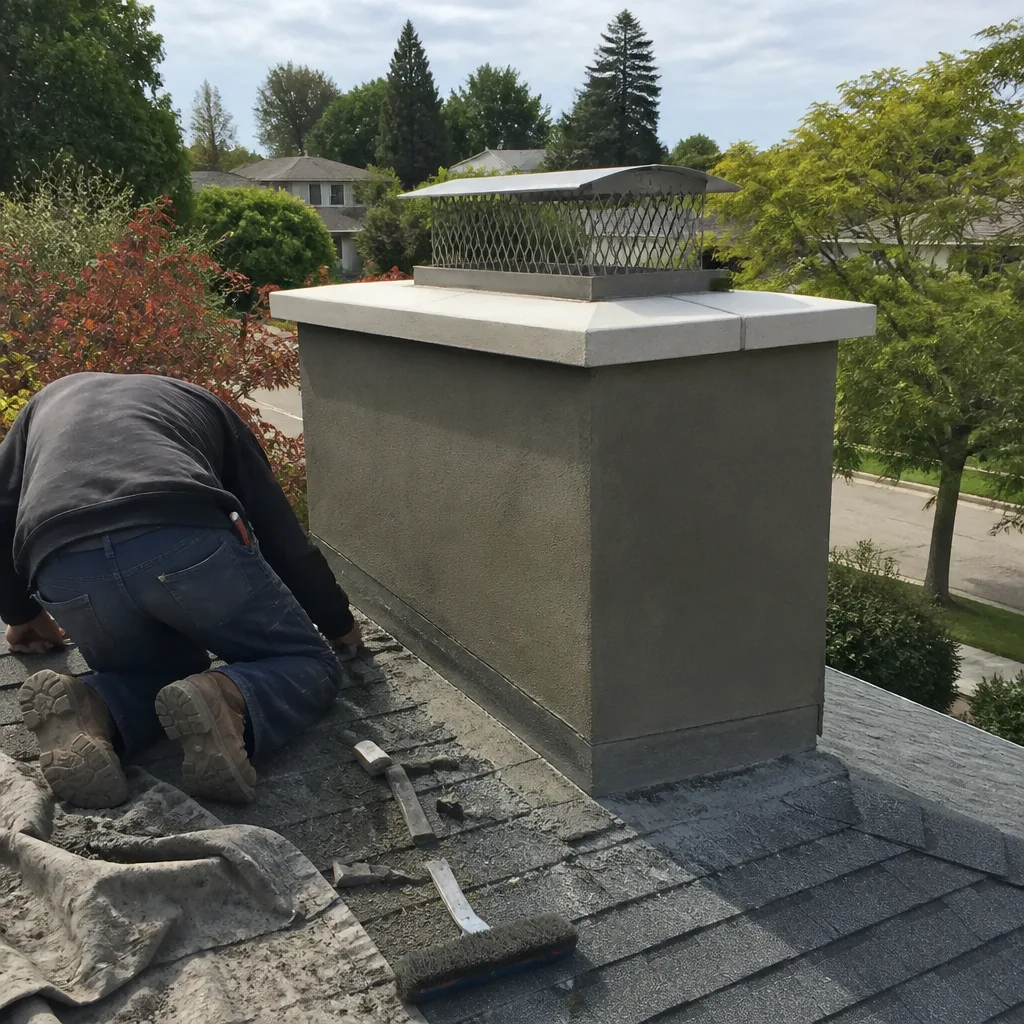
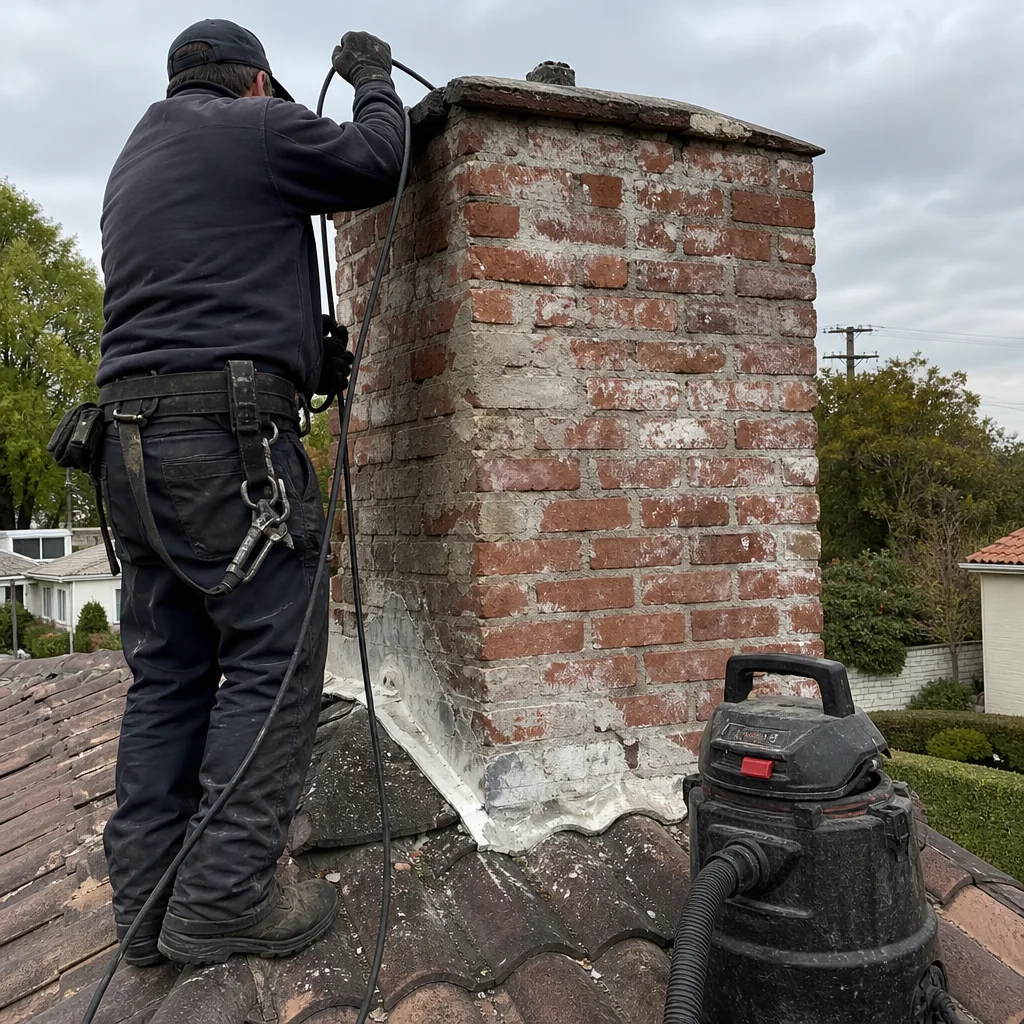
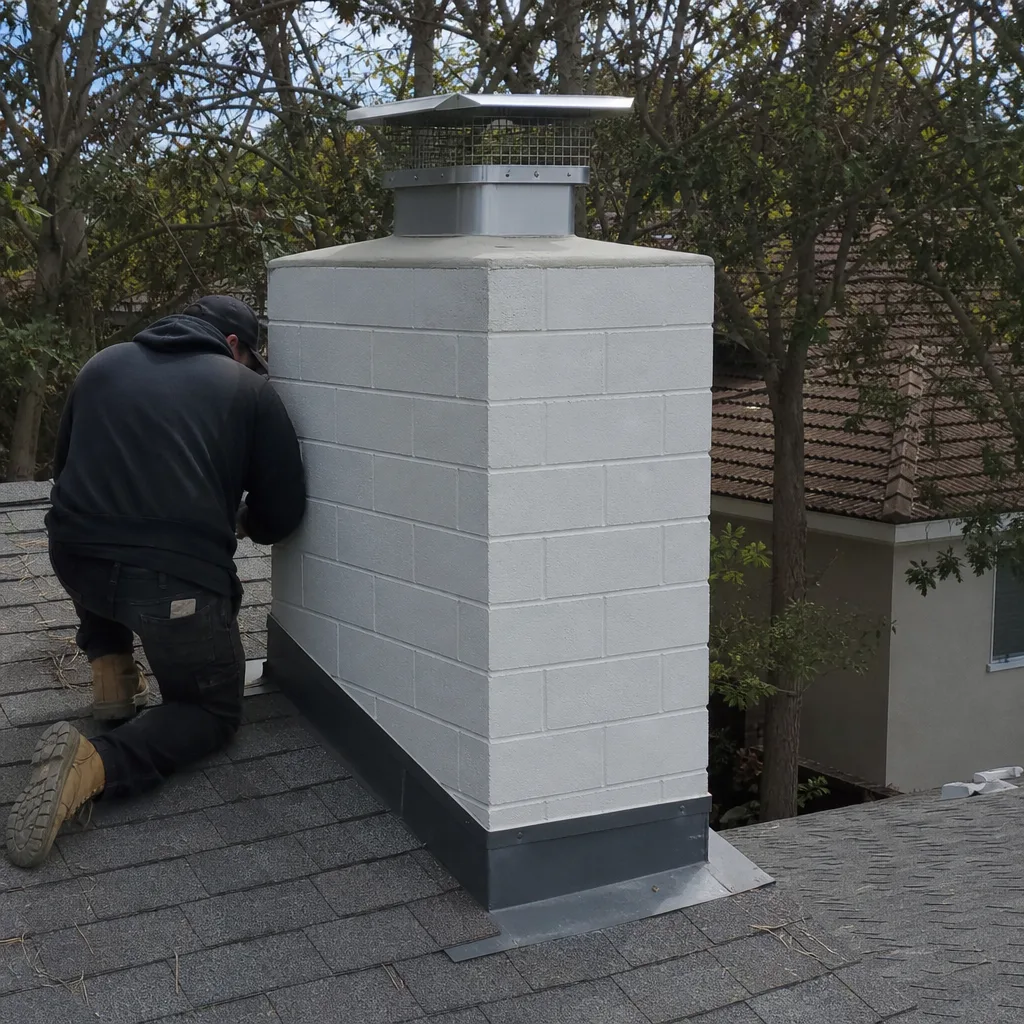
See the difference
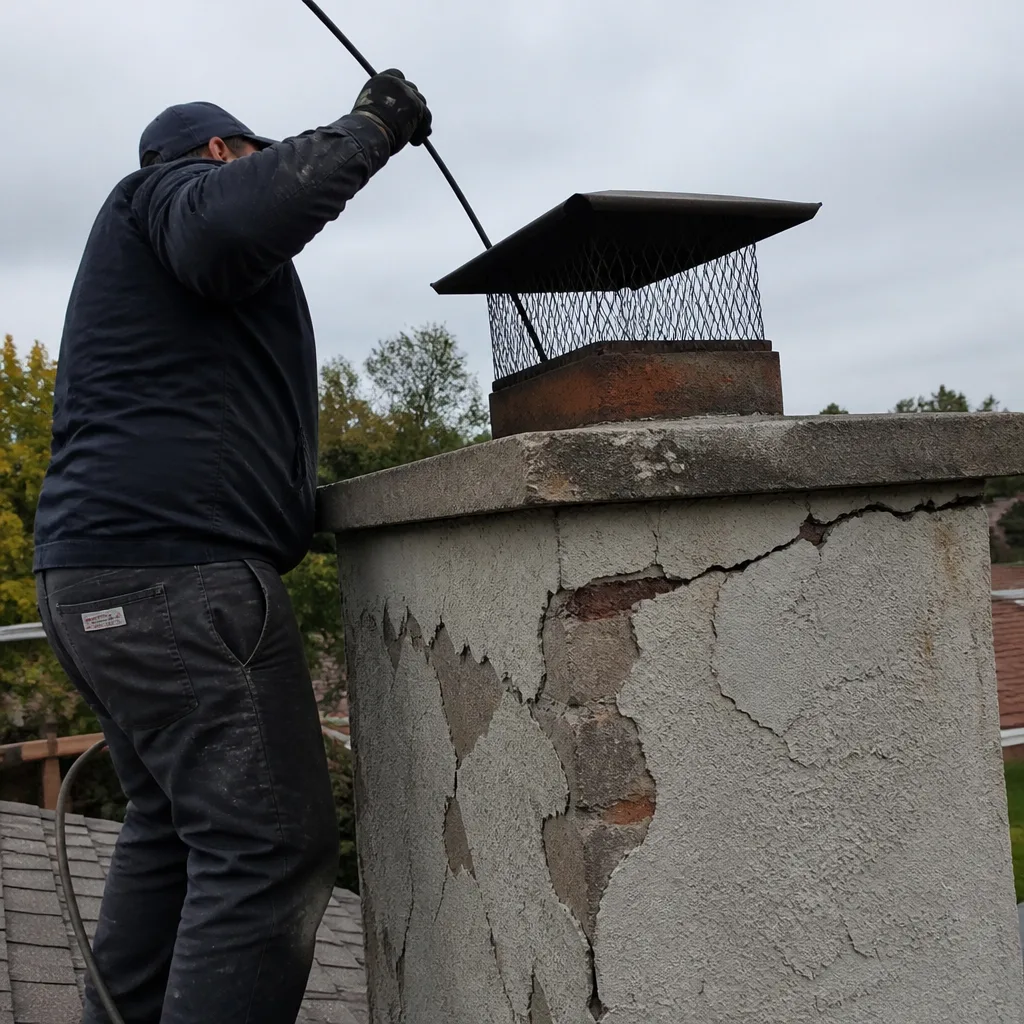 Before
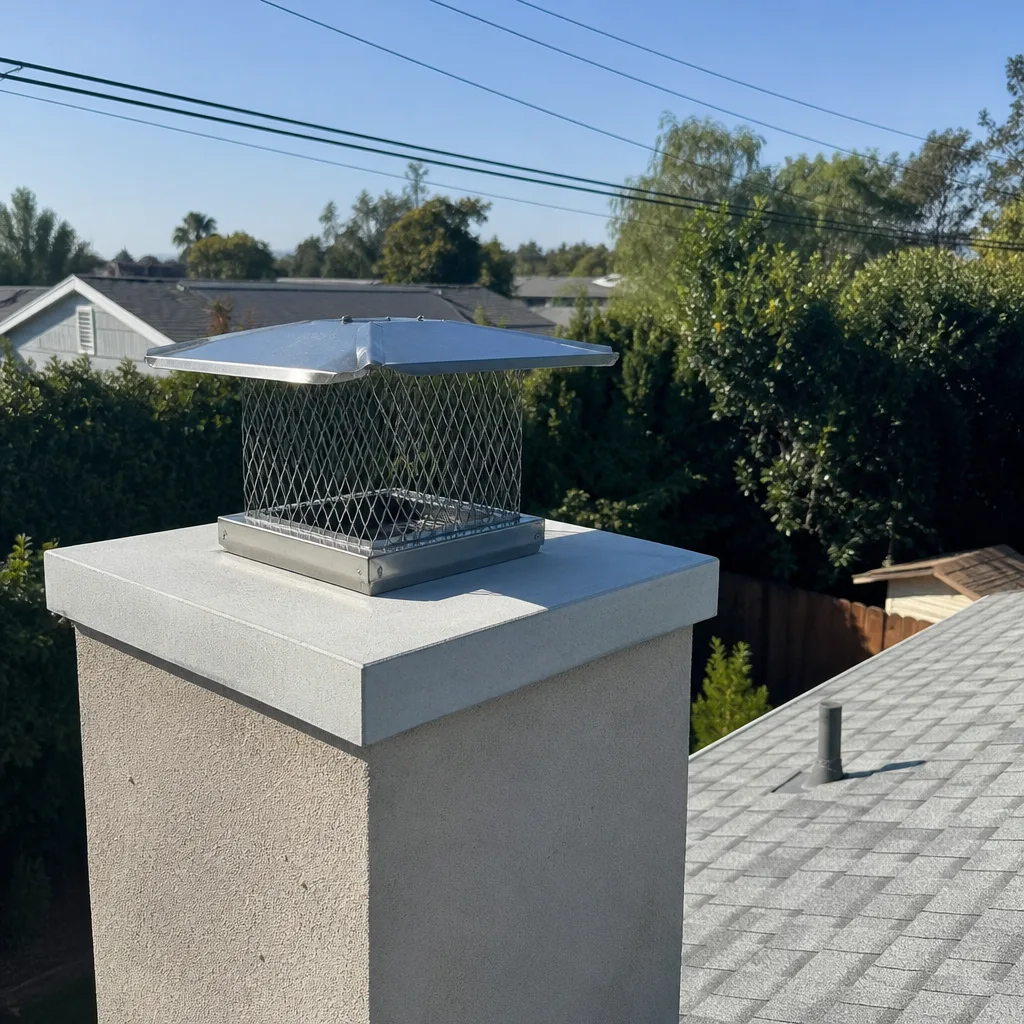 After
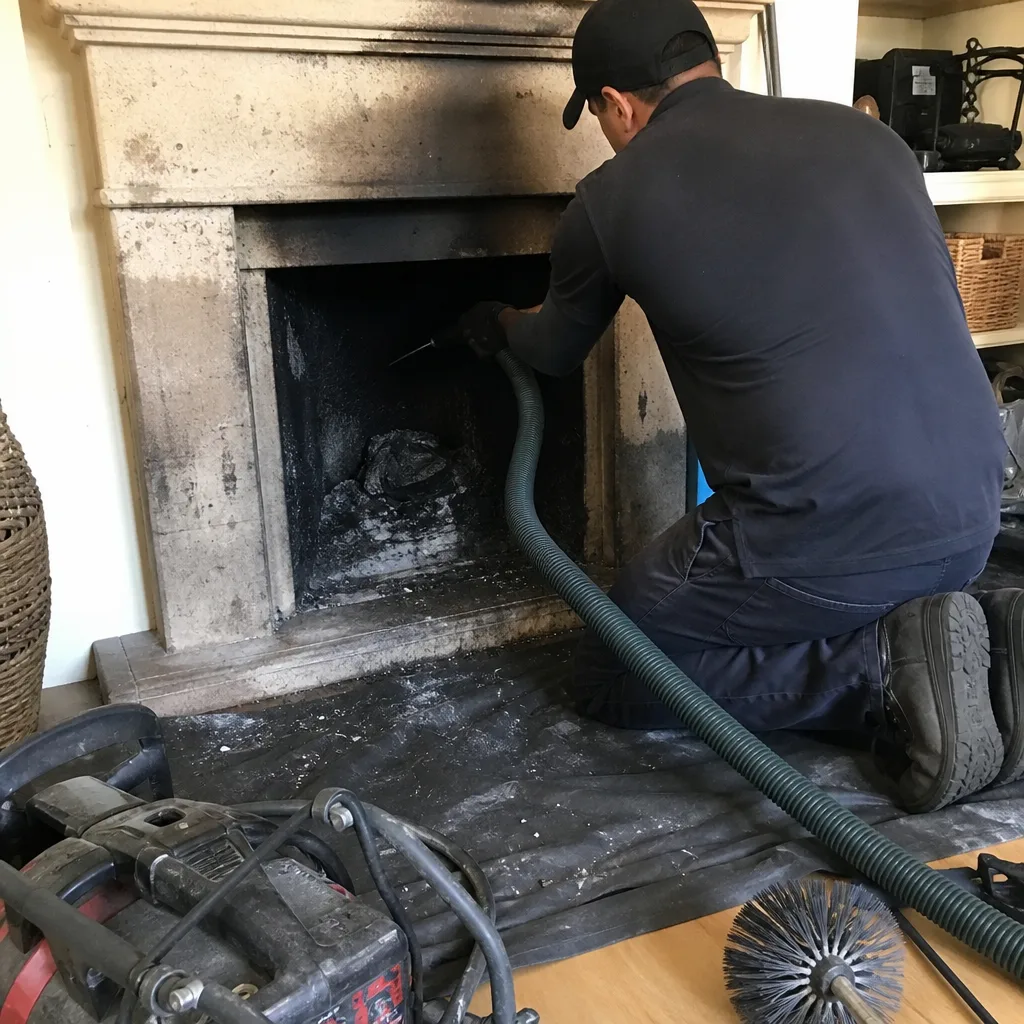 Before
 After
 Before
 After