
Last updated November 2, 2026
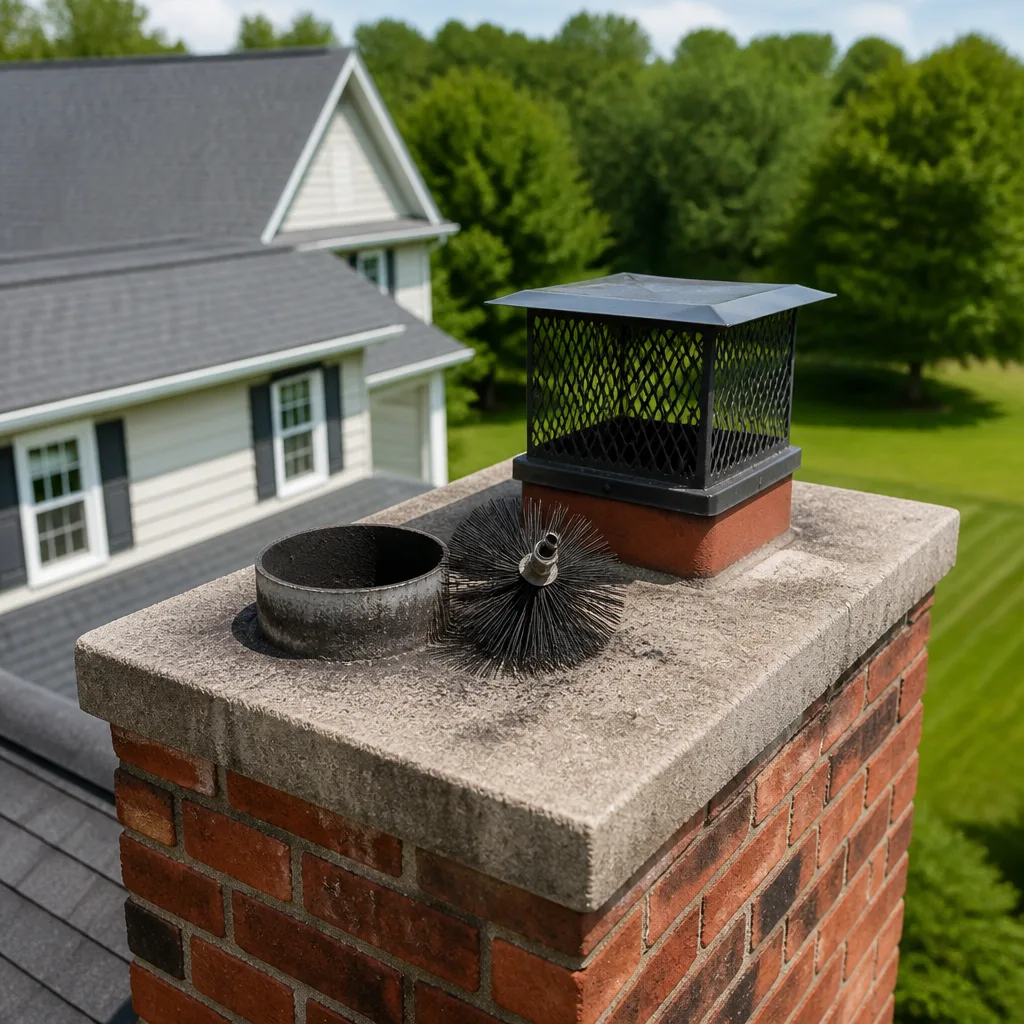 Sweep & inspection
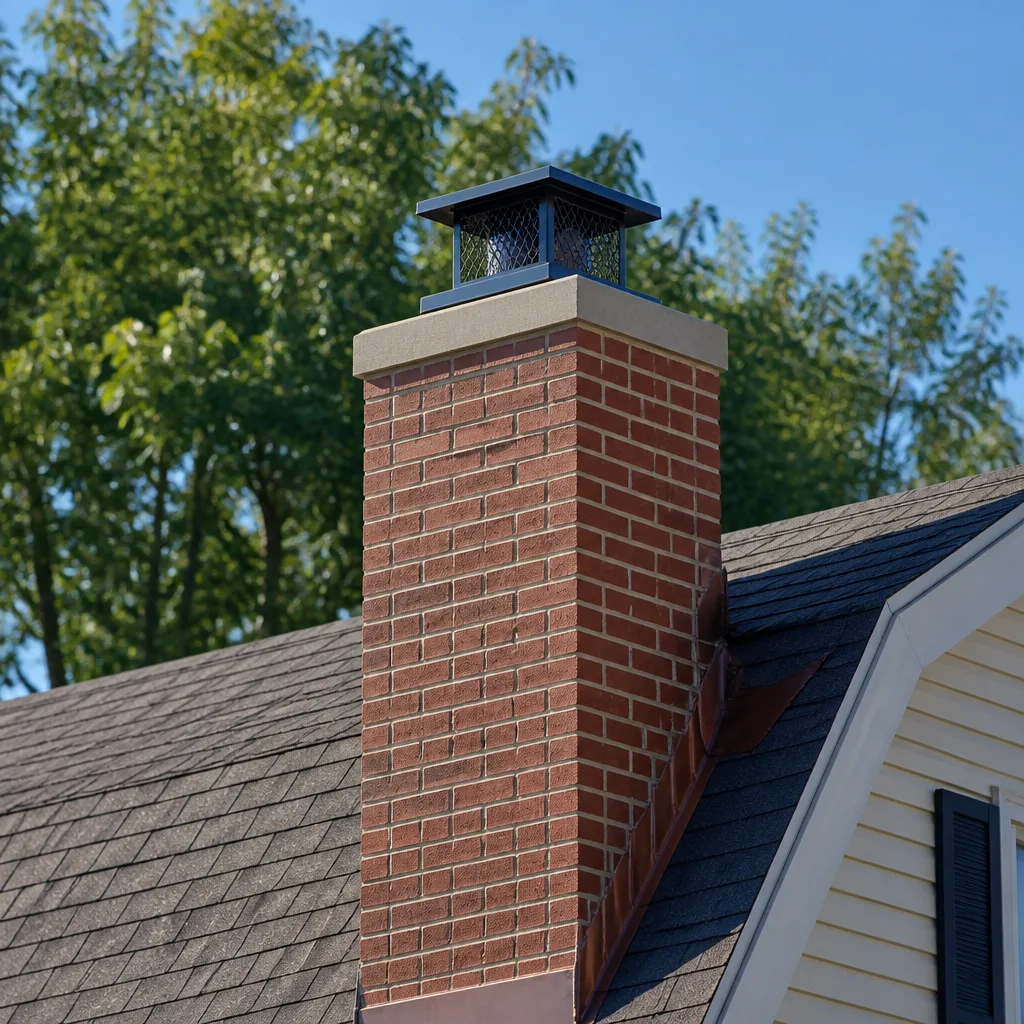 Caps & crowns
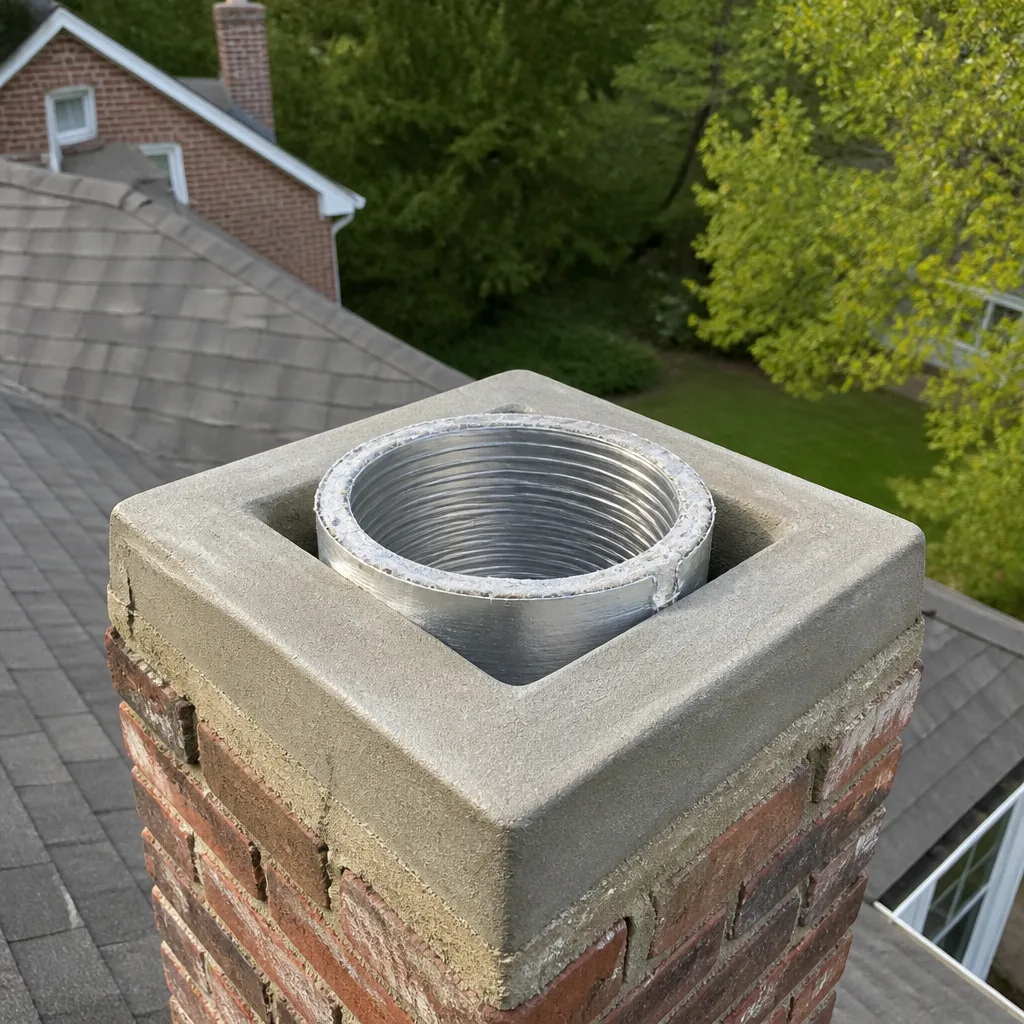 Flue relining
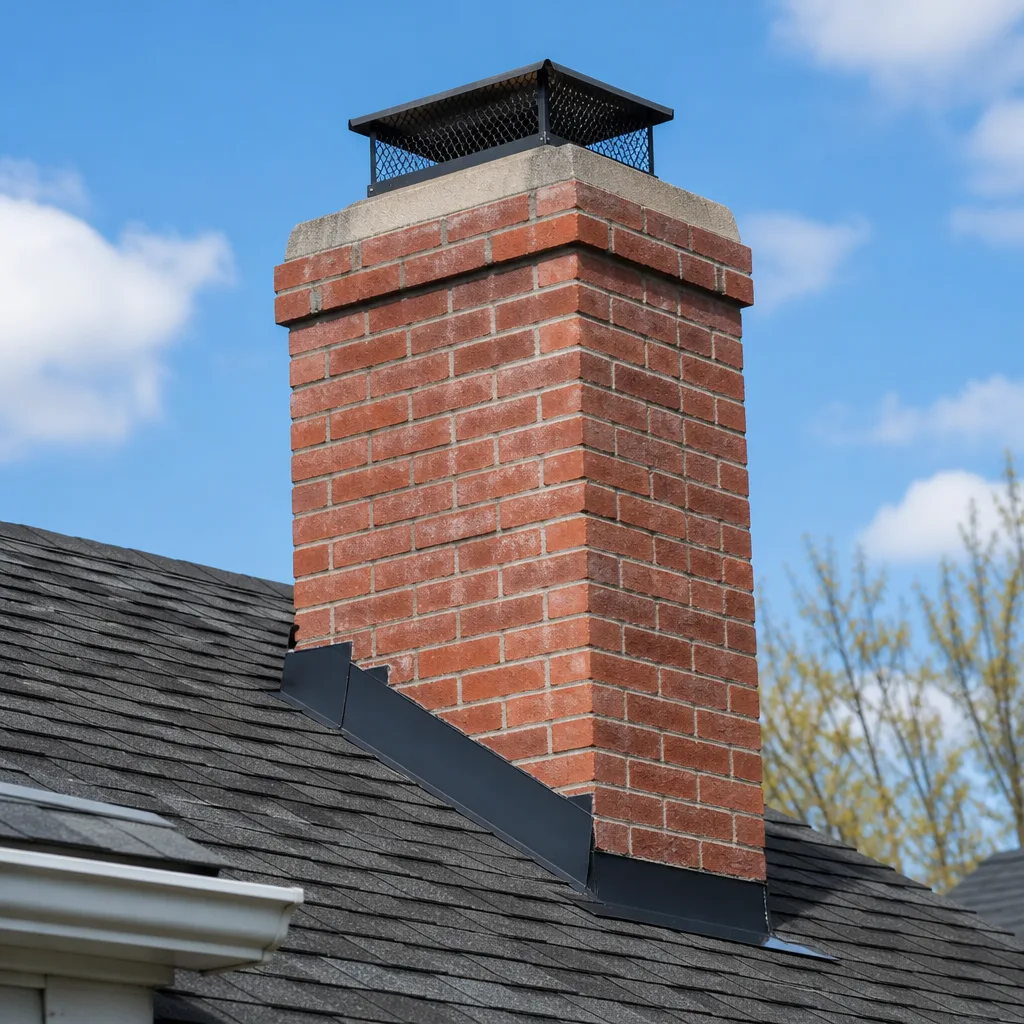 Masonry repair
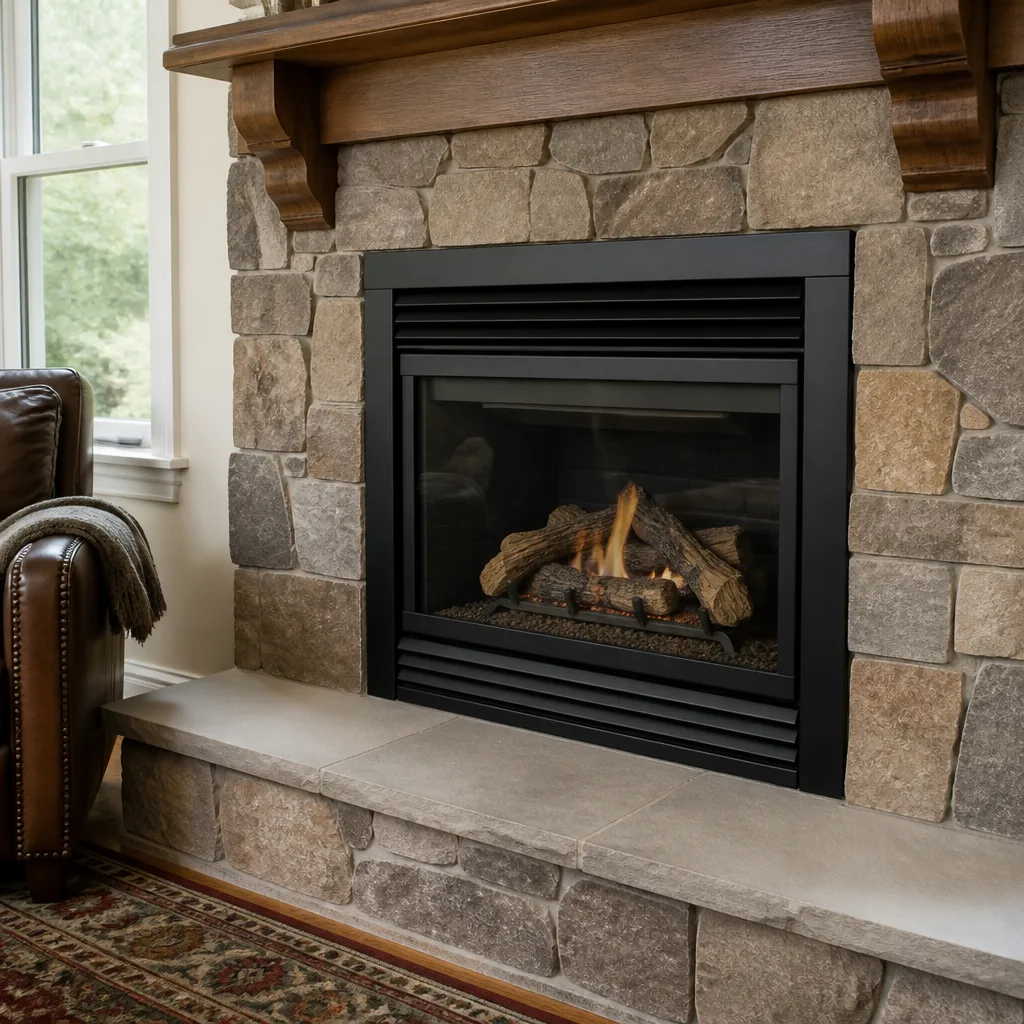 Gas fireplace service
Level 1 sweep and inspection to the NFPA 211 annual standard - flue, crown, cap, and flashing checked and photographed
Chimney sweep logs do not sweep chimneys. They loosen some creosote - which then falls where a brush and vacuum still have to collect it.
Chimney Sweep Troubleshooting: Common Problems and How to Fix Them
Here’s a number most homeowners never hear: smoke backing into your living room has at least six separate causes, and only one of them is a dirty flue. Yet “chimney needs cleaning” is the diagnosis most people assume, and unfortunately, the one many generalist sweeps default to without checking the other five. This guide, alongside our The Complete Chimney Sweep Guide for Rancho Park Homeowners, walks through the actual symptom patterns we see across Rancho Park homes, from older bungalows near the golf course to newer builds east of Westwood Boulevard, so you can describe the real problem when you call, not just the smoke.
Quick Answer
Most chimney problems fall into four symptom categories: smoke rollout, draft hesitation, odor between uses, or visible exterior damage. Each points to a different root cause, from a blockage or flue sizing mismatch to negative house pressure or a failed damper seal. The fix ranges from a standard Chimney Sweep to a HeatShield repair or full DuraFlex liner installation, and the only way to know which one you need is to diagnose before you call.
Styles & brands we work with
- Sweep & inspection
- Caps & crowns
- Flue relining
- Masonry repair
- Gas fireplace service
Table of Contents
- Smoke Rollout: Six Causes, One Symptom
- Draft Hesitation: The Cold-Start Test
- Odor Between Uses: Where the Smell Actually Comes From
- Exterior Damage: Spalling, Crown Failure, and What They Mean
- Negative House Pressure: The Backdraft Nobody Sweeps Away
- HeatShield vs. DuraFlex: Two Repairs, Very Different Jobs
- Dryer Vents: The Other Chimney in Your House
- Common Mistakes to Avoid
Smoke Rollout: Six Causes, One Symptom
When smoke enters the room instead of going up the flue, the first instinct is almost always wrong. In our experience across Rancho Park, maybe one in six smoke rollout calls turns out to be a simple dirty flue. The other five are structural, mechanical, or pressure-related.
Here are the six causes we check, in order of how often we find them:
- Blocked flue: Bird nests, squirrel debris, fallen brick, or creosote buildup narrowing the passage. This is the classic dirty chimney, and it’s real, but it’s not the default.
- Flue sizing mismatch: A flue too large for the firebox never gets hot enough to establish draft, so smoke lingers. A flue too small can’t move the volume of combustion gas. Both cause rollout.
- Cold flue on a cold start: Chimneys are thermal engines. A cold masonry column sits heavy with dense air. Until the flue warms, smoke has nowhere to go.
- Negative house pressure: Exhaust fans, a running furnace, or a poorly placed HVAC return can pull air down the chimney faster than the fire can push it up.
- Failed damper seal: A damper that won’t fully open, or one that’s warped and blocks the throat, chokes the draft at the source.
- Damaged flue liner: Cracked or spalled clay tiles create turbulence, and in some cases, the gaps let smoke slip into the house structure rather than the sky.
The lesson here isn’t that every smoke problem is serious. It’s that the symptom map is wider than “it needs a sweep.” Before you light your first fire of the season, know which one you’re dealing with.
Draft Hesitation: The Cold-Start Test
Draft hesitation is the pause after you light the kindling, before the smoke commits to going up. Sometimes it goes up fine after a minute. Sometimes it fills the room. The cold-start test tells you which direction your system leans.
Here’s the test any homeowner can do before the burn season:
- Pick a cold day when the house hasn’t been heated for a few hours. You want the largest temperature difference between the chimney and the room.
- Open the damper fully and hold a lit match or a piece of newspaper near the open fireplace throat. Don’t light a full fire yet.
- Watch which way the smoke moves. If it rises into the flue immediately, you have natural draft. If it hangs, drifts into the room, or gets pulled toward a furnace return, the chimney is either blocked, cold, or competing with house pressure.
- Repeat the test with an exhaust fan running in a nearby bathroom or kitchen. This simulates the worst-case scenario for negative pressure. If the smoke reverses with a fan on, your house itself is part of the problem, not just the chimney.
In Rancho Park, where many homes sit on concrete slabs with tightly sealed windows and central HVAC, we see this more often than people expect. The house is trying to breathe, and the chimney is the easiest air intake. That’s not a cleaning issue, and no amount of sweeping will correct it.
Odor Between Uses: Where the Smell Actually Comes From
Here’s an important distinction many homeowners miss: smoke odor during use is a draft problem. Smoke odor between uses, when the fireplace hasn’t been lit in weeks, is almost always moisture interacting with creosote, or air moving the wrong direction through a dirty system.
What actually causes the between-use smell, in order of frequency:
- Creosote absorbing humidity: Creosote is hydrophilic. On a humid Rancho Park evening, the deposits in the flue soak up airborne moisture, off-gas, and push that sharp smell into the room. The thicker the creosote, the stronger the smell.
- Reverse draft on a warm day: A warm chimney with a cool house interior creates a thermal inversion. Airmoves down the flue instead of up, carrying whatever’s inside it into the living space.
- A damper left partially open: Even a small gap allows flue air to circulate into the room. Older dampers, especially cast-iron models on bungalows from the 1940s and 1950s, rarely seal tight after decades of heat cycling.
- Water entry mixing with ash: A failed cap or crown lets rain in. Water plus ash plus creosote equals a smell that’s hard to ignore.
The fix depends on which one you have. A clean flue solves the first two. A damper repair handles the third. A new cap or crown resolves the fourth. That’s three different service calls if you guess wrong, or one correct diagnosis if you identify the smell pattern before calling.
Exterior Damage: Spalling, Crown Failure, and What They Mean
You don’t need to climb onto the roof to read exterior damage. From the ground, look at two places: the surface of the chimney bricks and the concrete crown at the top. Each tells a different story.
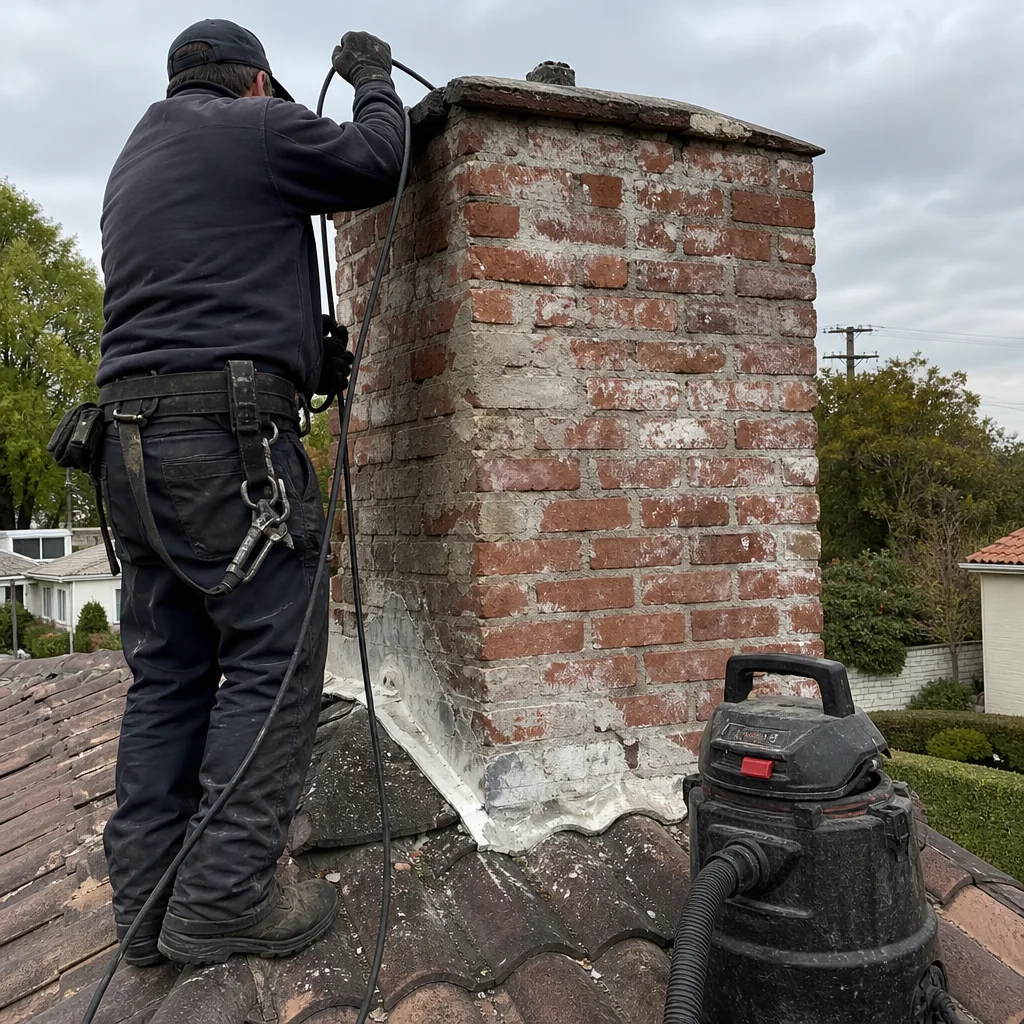
Spalling bricks mean water has entered the masonry and is freezing, expanding, and flaking off the brick face. In Rancho Park’s climate, this is less about freeze-thaw than it is about decades of slow moisture absorption. A spalled brick isn’t cosmetic. It’s a hole in the chimney’s weather barrier. Left alone, the damage migrates inward and eventually compromises the flue liner itself.
Crown failure shows up as cracks in the concrete cap, or worse, a cap that’s missing sections entirely. The crown’s entire job is to shed water away from the flue. A cracked crown lets water run straight down the flue interior, soaking liner tiles and washing creosote into the firebox. If you see water staining on the fireplace walls inside, crown failure is the first place we look.
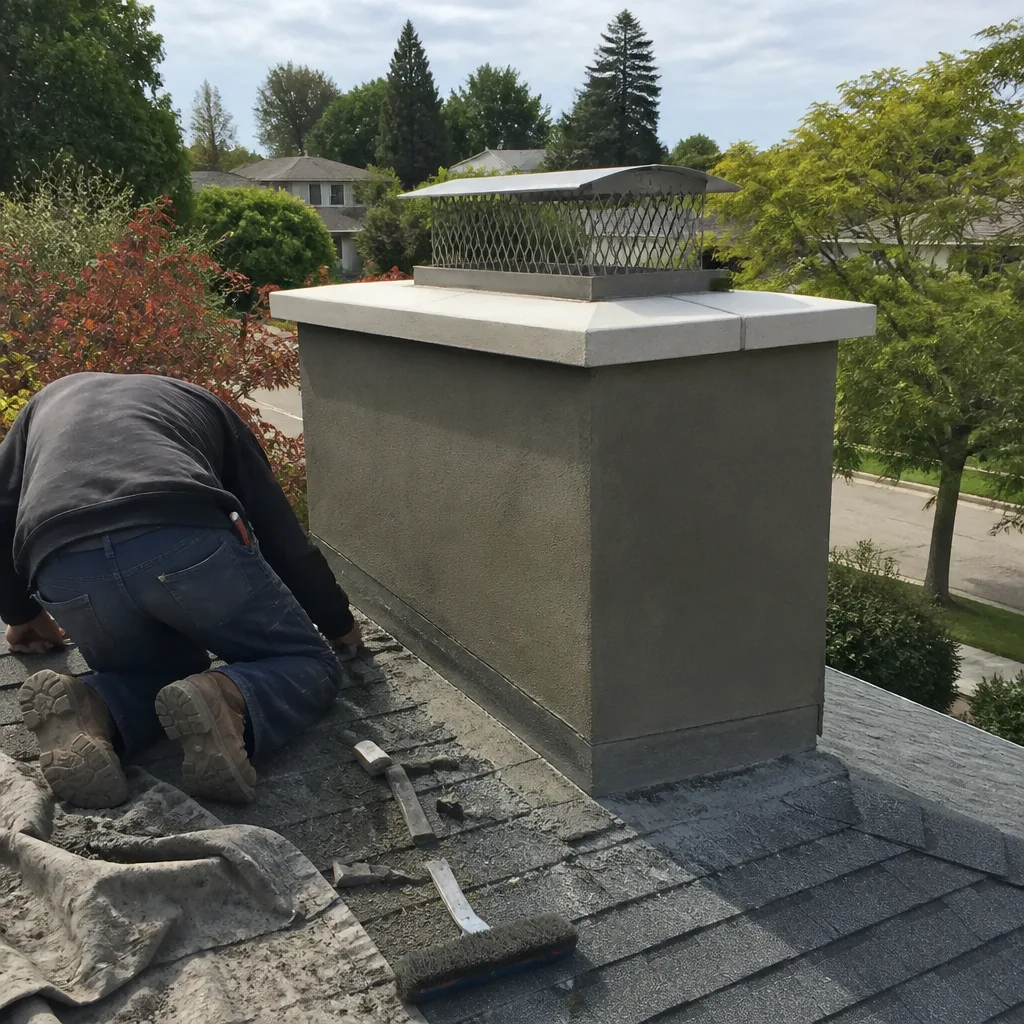
The repair scope depends on how far the damage has progressed. A hairline crown crack gets sealed. A spalled brick face gets repointed or rebuilt section by section. If the liner tiles themselves are cracked or shifted, that’s a Chimney Repair in Rancho Park and not a caulk-and-paint situation. We work with Copperfield and Olympia Chimney components for crown and cap replacements because those parts are engineered for flue exposure, not improvised from hardware store inventory.
Negative House Pressure: The Backdraft Nobody Sweeps Away
This is the most counterintuitive chimney problem we encounter in Rancho Park, and the one that generates the most repeat service calls. It has nothing to do with the chimney itself, and everything to do with the house competing for air.
Modern homes are built tighter than they used to be. Windows seal. Doors seal. Insulation wraps every wall cavity. Then you install two or three bathroom exhaust fans, a range hood that moves 400 cubic feet per minute, a clothes dryer, and an HVAC system that creates pressure differentials between rooms. All of those systems pull air out of the house. The air has to come back in somewhere.
Your chimney is the largest intentional opening in the house. When exhaust fans run, or when the HVAC return creates negative pressure near the fireplace, the chimney stops acting like an exhaust and starts acting like an intake. Outside air comes down the flue, picks up smoke from the firebox, and pushes it into the room. It doesn’t matter how clean the flue is. It doesn’t matter how well the damper works. The pressure differential overrides the natural draft.
Here’s how we test for it:
- Confirm the fireplace drafts fine with all fans off and windows closed. If it does, the chimney itself is functioning.
- Turn on the kitchen exhaust and every bathroom fan. Relight or resume the fire.
- Watch for rollout within 30 to 60 seconds. If smoke enters the room only when fans run, the diagnosis is negative house pressure.
The fix is never a sweep. Sometimes it’s an outside air intake installed near the fireplace so combustion air doesn’t come down the flue. Sometimes it’s adjusting the HVAC return placement. Sometimes it’s as simple as cracking a window on the windward side while burning. The point is: it’s diagnosable, and it’s not solved by cleaning a chimney that was never dirty in the first place.
HeatShield vs. DuraFlex: Two Repairs, Very Different Jobs
When a camera inspection shows liner damage, homeowners in Rancho Park often ask the same question: do I need a new liner, or can the existing one be repaired? The answer depends on how much of the liner is compromised, and the two products we reach for solve different problems.
HeatShield is a ceramic resurfacing system, specifically engineered to restore damaged clay tile liners without a full rebuild. It’s the right choice when the damage is limited to sections: cracked tiles, minor spalling, eroded mortar joints. The process involves cleaning the flue walls to bare substrate, then applying a ceramic compound that cures into a smooth, continuous surface. It restores a proper draft surface and seals minor gaps, often without removing any masonry.
DuraFlex is a flexible stainless steel liner system, and it’s what we install when the existing liner is beyond resurfacing. That means structurally collapsed tiles, a liner that’s shifted out of alignment, or a flue being converted for a different appliance class. DuraFlex is a specification-grade product used by professional chimney contractors across the country, and it works because it’s a complete new exhaust pathway installed inside the old one, not a patch on top of failing material.
The cost difference is significant, and knowing which one you actually need prevents both under-spending on a repair that won’t hold and over-spending on a full liner where HeatShield would have been appropriate. The only way to know is a camera inspection, and any honest technician will show you the footage. If they won’t, that’s a signal.
Dryer Vents: The Other Chimney in Your House
Most homeowners don’t think of a dryer vent as a chimney, but functionally, that’s exactly what it is: an exhaust pathway for combustion byproducts and heated air, moving from inside the house to outside. Lint is the dryer vent equivalent of creosote, and it accumulates the same way. Slowly. Invisibly. Until it doesn’t.
Here’s what we look for during a Dryer Vent Cleaning in Rancho Park:
- Lint accumulation at the termination point: The flap on the exterior wall gets caked with lint and stops opening fully. Heat builds inside the duct.
- Long duct runs: Rancho Park laundry rooms are often on interior walls, which means the vent pipe runs 15 or 20 feet before it reaches the outside. Long runs trap more lint per cycle.
- Crushed or disconnected duct sections: A vent pipe that’s kinked behind the dryer or disconnected in a wall cavity vents moist air directly into the house structure. That’s a mold problem waiting to become a bigger problem.
- No visible termination point at all: Older homes sometimes have vents that terminate in the crawlspace or attic. Those need redirection, not just cleaning.
Dryer vents are part of the same combustion-exhaust and airflow category as chimneys. We treat them that way, and we stock the components to do it properly: Famco and Gelco termination caps, rigid duct sections, and airflow management parts that generic handymen don’t carry. When we say chimney sweep, repair, and dryer vent are one company and one call, that’s not a slogan. For more guides & resources, see our blog. It’s how the systems should be managed.
Common Mistakes to Avoid
- Assuming every smoke problem is a dirty chimney: As this guide has laid out, smoke rollout has six known causes. Cleaning a flue that has a pressure problem or a sizing mismatch doesn’t fix the issue, and you’ve paid for a sweep that didn’t change anything.
- Ignoring the between-use odor: The smell isn’t just unpleasant, it’s a symptom. In a Rancho Park summer with Santa Ana humidity, a damp creosote odor means water is getting into the system somewhere. That doesn’t self-correct.
- Cleaning creosote with wet methods or scraping: Aggressive mechanical cleaning can damage older clay tiles, especially on 70-year-old chimneys. The right approach varies by liner type and condition, and damage from improper cleaning compounds the problem.
- Patching crown cracks with hardware store sealant: The crown endures direct weather exposure and thermal cycling. Generic sealant fails within a season or two. A proper crown repair uses materials rated for flue conditions.
- Assuming a new liner is always required when a liner is damaged: HeatShield resurfacing addresses many liner problems at a fraction of the cost of a full DuraFlex installation. The only way to know is camera verification, and a reputable contractor will show you the footage.
- Treating the dryer vent as an afterthought: Lint buildup is one of the leading causes of residential structure fires. The vent is the chimney’s airflow sibling, and it deserves the same inspection standards.
- Burning before the burn season without a check: Firewood, creosote condition, damper operation, and cap integrity all change year to year. The first fire of the season shouldn’t be the diagnostic test.
See the difference
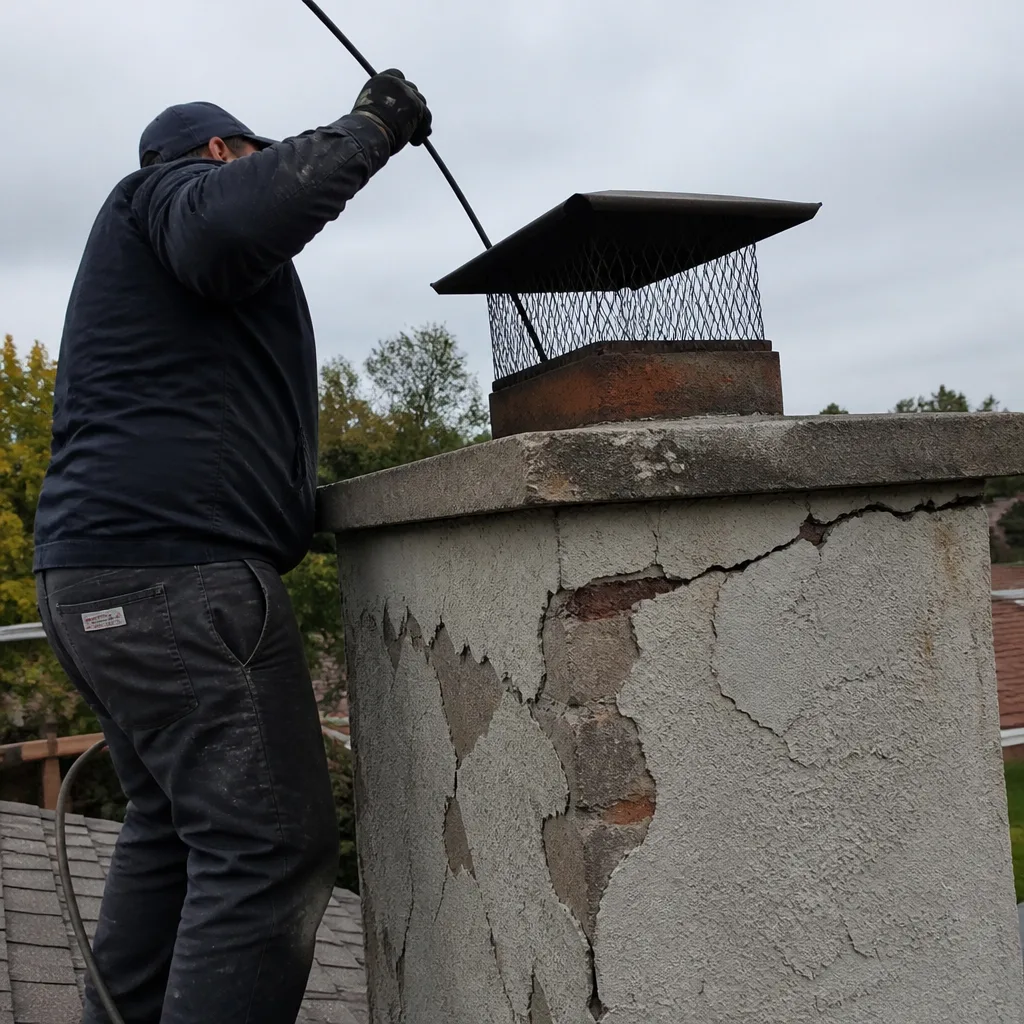 Before
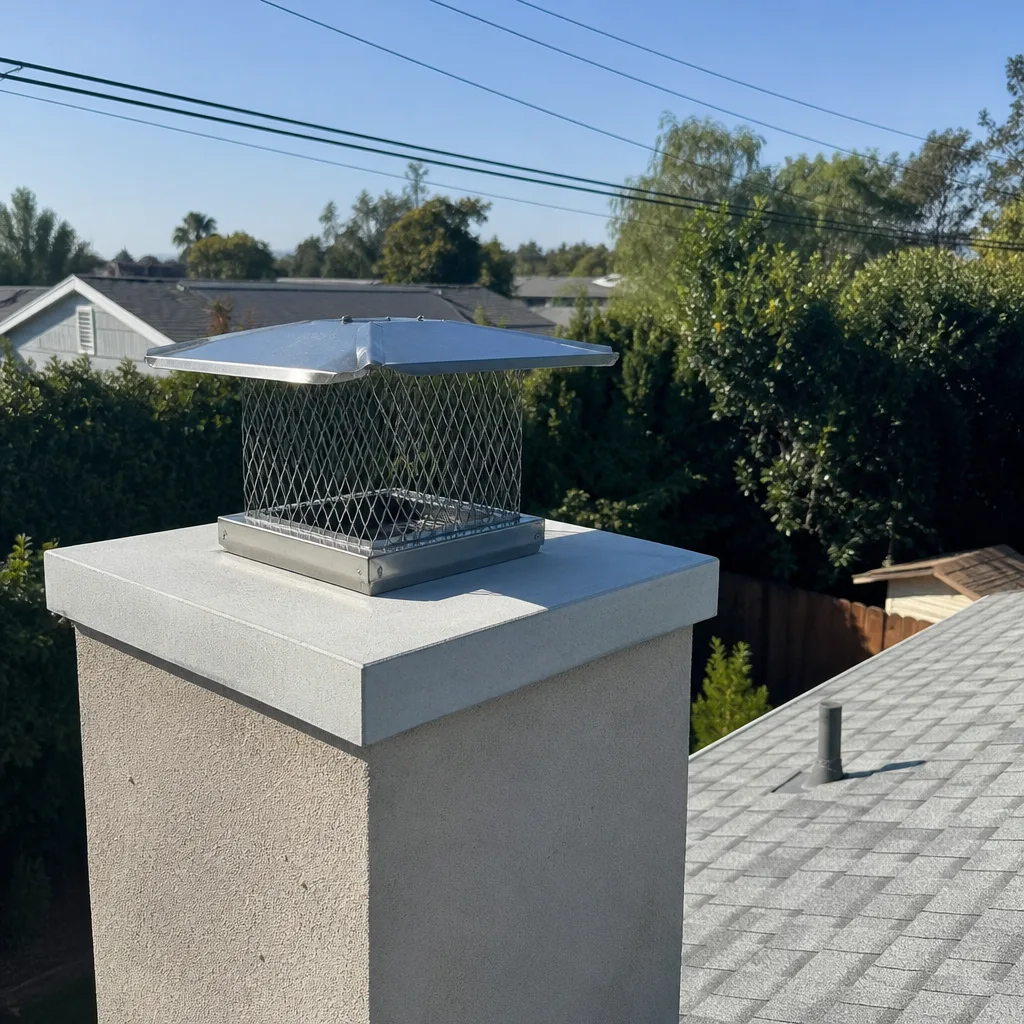 After
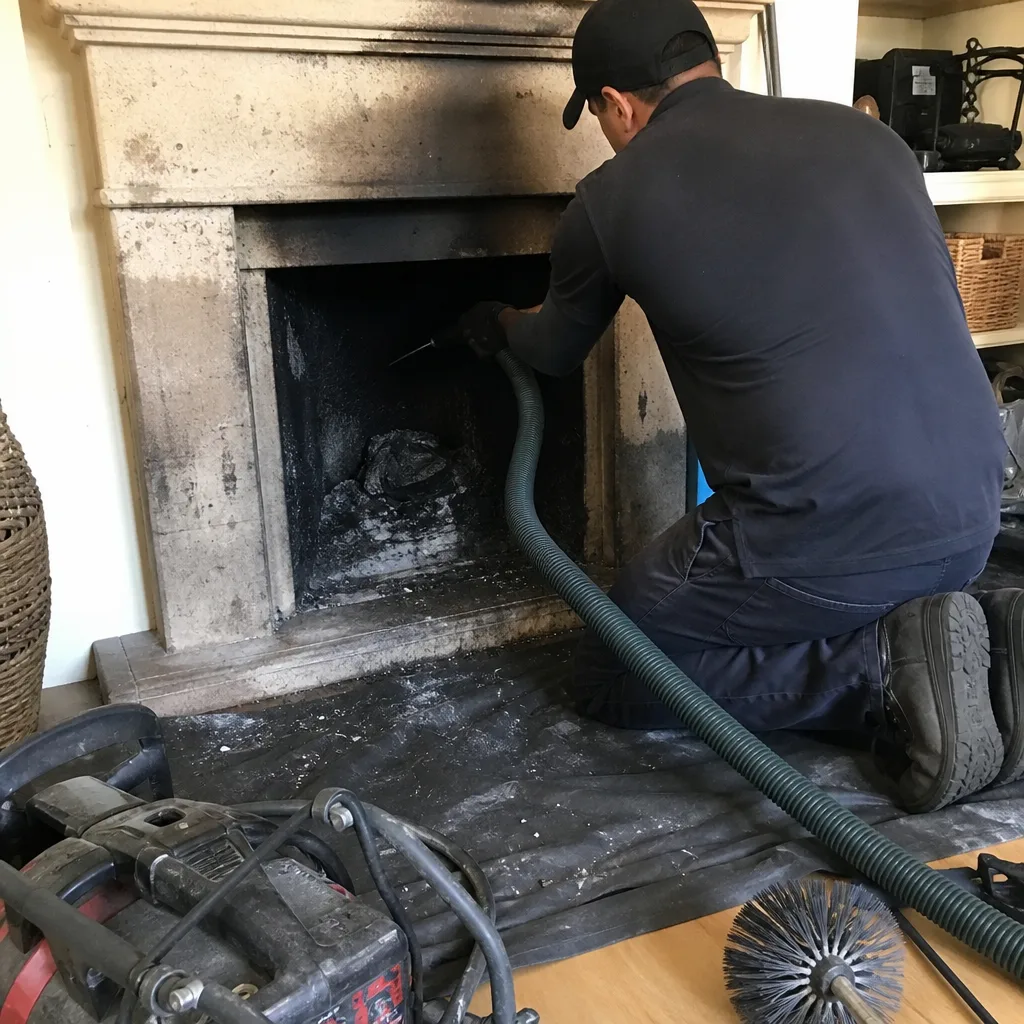 Before
 After
 Before
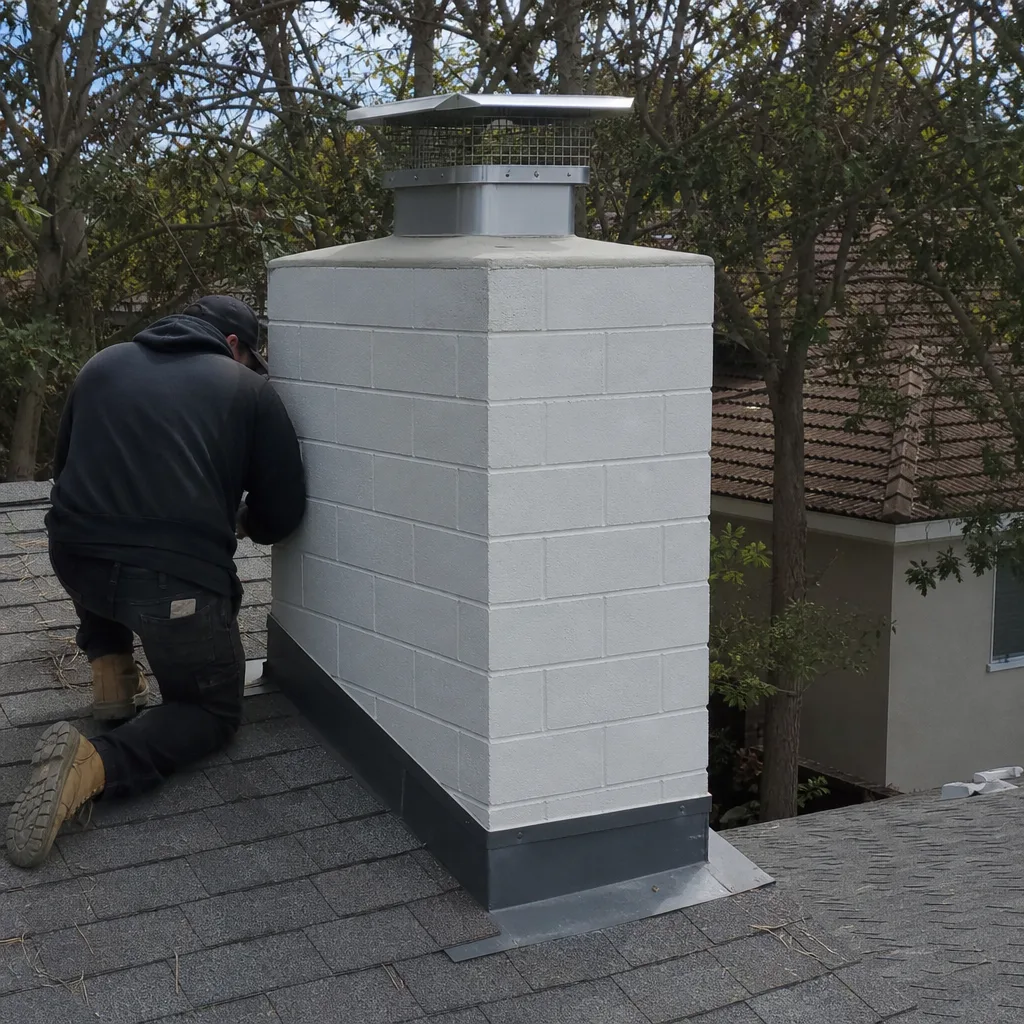 After
When to Call a Professional
Some chimney issues are genuinely not homeowner territory, and the line is clearer than most people think. If you see smoke entering the room from more than one source point, stop and call. If you smell what might be gas near the fireplace, leave the house and call. If you find pieces of flue tile at the bottom of the firebox, the liner is actively failing. If the exterior chimney is leaning or showing large vertical cracks, the structural integrity is in question. None of these are cleaning issues, and all of them require trained eyes and the right equipment. Chimney Sweep Rancho Park offers free estimates in Rancho Park, and our Chimney Sweep in Rancho Park includes a camera inspection with photo documentation before any repair is recommended. Call (877) 326-6276.
Frequently Asked Questions
A standard chimney sweep in Rancho Park typically ranges from $175 to $325 depending on the system type, access, and the amount of creosote present, and any recommendation for additional work should include camera evidence you can see for yourself. Call (877) 326-6276 for an exact quote, and estimates are free.
The National Fire Protection Association recommends an annual inspection, and sweeping frequency depends on usage: a fireplace used three or more times per week during burn season generally needs sweeping every year, while occasional use may allow every two to three years. The variable is creosote buildup, which depends on wood type, burn temperature, and flue condition.
Creosote accumulates in layers, and beyond a certain thickness, it becomes a fuel source inside your flue rather than just a draft restriction, and a chimney fire can crack liner tiles, damage the masonry structure, and compromise the house framing around the flue. The best case scenario after a chimney fire is an expensive repair, and the worst case is a structure fire.
A dirty chimney restricts the flue opening due to creosote or debris, while a drafting problem means the air movement itself is wrong, either from a sizing mismatch, cold flue conditions, or negative house pressure, and the symptoms can look identical. The cold-start test described above is the first diagnostic step to tell them apart.
It depends entirely on the condition of the existing clay tiles, and a camera inspection is the only honest way to determine whether HeatShield resurfacing is appropriate or a full DuraFlex liner is required, with the latter generally running substantially more in material and labor. Any recommendation should include footage you can review yourself.
Yes, we work throughout Rancho Park and the adjacent Westside neighborhoods, from the single-family homes north of Pico to the older housing stock near Cheviot Hills and Westwood. Our service area covers the full Chimney Sweep Rancho Park home region, and scheduling is done the same week in most cases.
The Bottom Line
Chimney problems are symptoms, and symptoms have root causes. A dirty flue is one possibility. A pressure imbalance, a failed damper, a cracked crown, or a damaged liner are the others, and the repair for each is completely different. Most homeowners get repeat service calls because the first diagnosis was a guess. This guide exists to make that less likely. Diagnose the symptom, describe it accurately when you call, and expect camera evidence before any repair is approved. That’s the standard, whether you call us or anyone else.
Written by the team at Chimney Sweep Rancho Park, serving Rancho Park since 2011.